

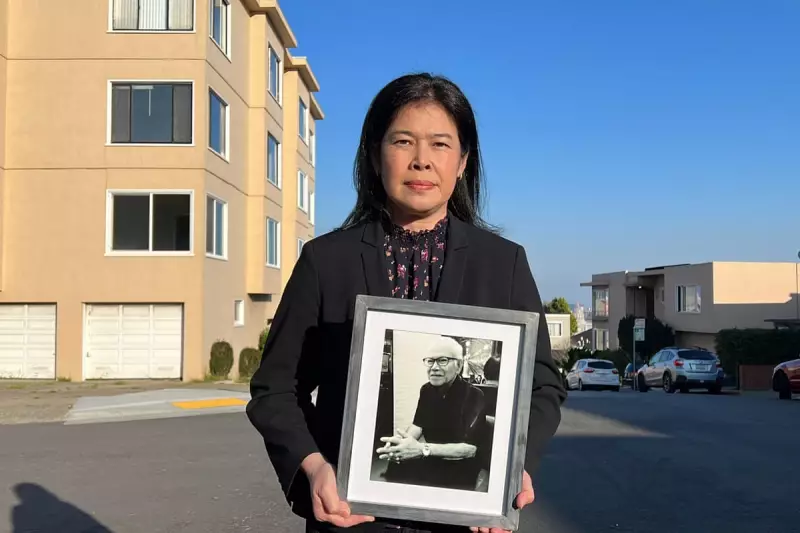
A man has been found guilty of involuntary manslaughter for his role in a fatal assault that prosecutors linked to a surge in anti-Asian violence during the Covid-19 pandemic.
Details of the Fatal Assault
Jurors in San Francisco convicted 57-year-old Stephen Lee for the death of 84-year-old Vicha Ratanapakdee. The incident occurred on 28 January 2021 in the city's Anza Vista neighbourhood. Prosecutors successfully argued that Lee's actions, which involved shoving the elderly Thai immigrant to the ground during a morning walk, directly caused fatal injuries.
Vicha Ratanapakdee died from his injuries two days after the attack, on 30 January 2021. The case became a tragic symbol of the wave of violence targeting Asian American and Pacific Islander communities. Lee was initially charged with murder and elder abuse, but the jury ultimately reached a verdict on the lesser charge of involuntary manslaughter.

Legal Proceedings and Sentencing
The trial heard that Lee, who was 54 at the time of the attack, confronted Ratanapakdee in an unprovoked assault. Defence attorneys had argued that Lee was in a state of methamphetamine-induced psychosis and did not act with malice. However, the jury concluded his actions were criminally negligent, leading to the involuntary manslaughter conviction.
Sentencing for Stephen Lee is scheduled for 10 March. He faces a maximum sentence of four years in state prison. The verdict brings a measure of legal resolution to a case that galvanised activists and highlighted concerns over public safety and hate-fuelled attacks.
Community Impact and Broader Context
The killing of Vicha Ratanapakdee occurred amidst a significant national increase in reported hate incidents against people of Asian descent. His death spurred widespread outrage and became a rallying point for movements demanding greater protection and justice.
Community advocates have described the case as a painful chapter in the fight against racial violence. While the involuntary manslaughter conviction is not the murder charge some sought, it holds Lee legally accountable for causing Ratanapakdee's death. The outcome underscores the complex legal challenges in prosecuting crimes where intent is difficult to prove, even when the consequences are fatal.
The case continues to resonate, reminding authorities and the public of the deadly consequences that can stem from prejudice and street violence.






