

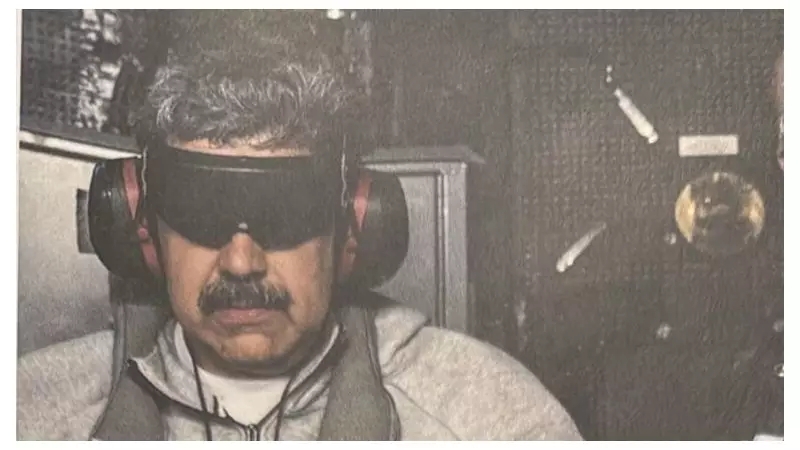
The presidency of Nicolas Maduro will be remembered as one of the most catastrophic periods in modern Latin American history. The Venezuelan leader, who succeeded the charismatic Hugo Chavez, presided over the ruin of an oil-rich nation, driving millions of its citizens to flee and clinging to power through a toxic mix of brazen incompetence and ruthless state violence.
From Oil Wealth to Economic Catastrophe
When Maduro took power following the death of his mentor in 2013, he inherited a country already facing challenges but blessed with the world's largest proven oil reserves. His subsequent misrule, however, was so chronically disastrous that an estimated seven million Venezuelans fled – a number exceeding the entire population of Norway. He reduced the nation to utter penury, overseeing hyperinflation, crippling shortages, and the near-total collapse of public services.
Remarkably, as the economy failed, Maduro's public persona often seemed detached from reality. He was frequently seen dancing and celebrating at official events, even as the humanitarian crisis deepened. In a striking example of his brazen arrogance, he once joked that he was "bigger than Taylor Swift." Behind this swaggering facade, however, lay a regime built on fear.

A Grip Maintained by Repression and Fraud
Unable to win genuine popularity, Maduro relied on the secret police, enforced disappearances, and the persecution of opponents to maintain his grip. After losing his parliamentary majority in the 2015 elections, he refused to respect the result. Widespread protests in 2017 led to the deaths of more than 100 people, with opposition groups claiming thousands more were killed in state custody.
His fortunes briefly improved in 2022 following Russia's invasion of Ukraine. As the West sought alternatives to Russian oil, Venezuela was welcomed back from the diplomatic cold. Emboldened, Maduro then pulled off what is considered one of Latin America's most significant election frauds in 2024. Most independent observers concluded the opposition had won a landslide, yet Maduro again unconvincingly declared victory and refused to cede power.
International Pressure and Ultimate Downfall
The turning point in his international isolation came with the election of Donald Trump as US President in 2016. Trump branded Maduro a "narco terrorist" and imposed swingeing sanctions that crippled the already failing economy. The pressure intensified following Trump's re-election, with the US deploying a significant naval force to the region and maintaining sanctions designed to foment internal dissent.
Opposition within Venezuela, led by figure Juan Guaido, who declared himself acting president with international recognition, attempted to challenge the regime. A coup attempt came close to toppling Maduro but ultimately failed. For years, the dictator clung on, his years of rampant kleptocracy leaving Venezuela's resources plundered and its institutions dismantled. The final chapter of his rule, culminating in US military strikes and his reported capture, marked the end of an era defined by profound suffering for the Venezuelan people, who now face a deeply uncertain future.






