

The dramatic capture of Venezuelan President Nicolás Maduro in a US-led raid on Saturday, 3 January 2026, initially sparked jubilation among opposition supporters, only for their hopes to be swiftly dashed by an unexpected political pivot from Washington.
From Jubilation to Disappointment
Following an operation dubbed Operation Absolute Resolve, which saw Maduro taken into US custody, opposition figures celebrated what they believed was a decisive turning point. Ricardo Hausmann, a former minister and opposition supporter, praised the military strategy of the nocturnal assault. However, the elation proved fleeting. Hours later, US President Donald Trump, speaking from Mar-a-Lago, delivered a blow to the opposition's core ambition.
Trump publicly questioned the viability of their leader, the Nobel Prize-winning activist María Corina Machado, stating she lacked sufficient "respect" within Venezuela to lead. Instead, he signalled recognition for Maduro's vice-president, Delcy Rodríguez, whom he warned must "do what's right" by opening Venezuela's oil reserves to American companies.

A Leadership Dilemma and a 'Bizarre' Strategy
The announcement left opposition circles reeling. Hausmann expressed astonishment, capturing a widespread sense of confusion and frustration that their movement's figurehead had been cast aside. He labelled the political strategy laid out by Trump and Senator Marco Rubio as "truly bizarre," warning that Venezuela now found itself in a "legal and a political vacuum" under the control of "illegitimate leaders." Rodríguez was sworn in as interim president on Monday, 5 January 2026.
Machado, who is widely believed to have beaten Maduro in the 2024 presidential election but was barred from running, sought to project unity. In an interview with Fox News, she hailed Trump's "courageous vision" and even offered to share her Nobel Peace Prize with him. "[Maduro's removal] is a huge step for humanity," she stated, though she has not yet returned to Venezuela.
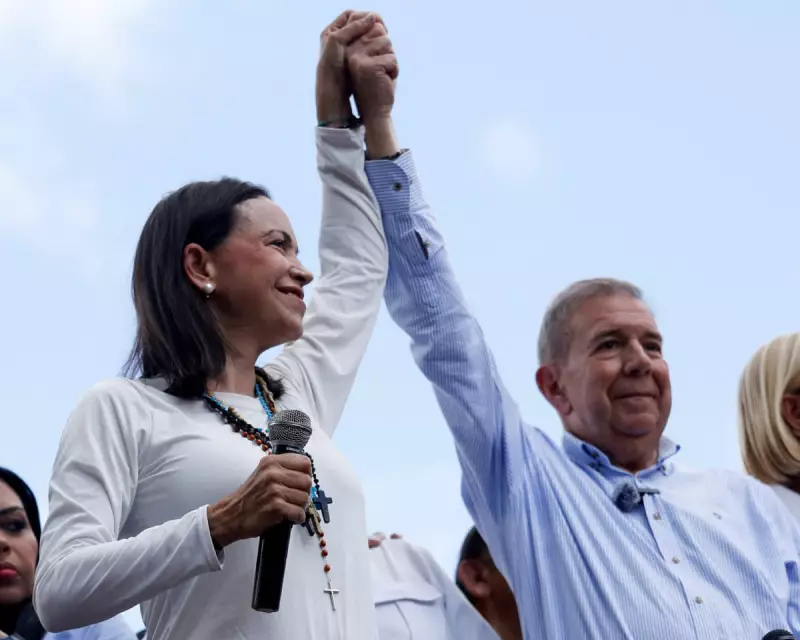
Analysts, however, detected deep disappointment. Christopher Sabatini of Chatham House suggested Machado would feel "abandoned" and "insulted." David Smilde of Tulane University noted the opposition's fantastical hope that Maduro's demise would allow for a triumphant return of Machado and Edmundo González—the former diplomat who ran in her stead and is believed to have won a landslide—to implement the 2024 election result.
Navigating an Uncertain Transition
Despite the setback, some within the opposition remain cautiously optimistic. Pedro Burelli, a prominent figure close to Machado, rejected the idea that Trump had abandoned her, insisting the US president remained "200%" committed to restoring democracy. "You eat a whale a bite at a time," he said, predicting further US action against the regime.
Pedro Antonio de Mendonça of Machado's Vente Venezuela movement argued a political transition had undeniably begun with Maduro's removal. He drew parallels to the fall of dictator Marcos Pérez Jiménez in 1958, urging continued trust in the opposition leadership. He also claimed Rodríguez's administration was already mired in internal distrust and divisions within the armed forces.
Yet, scepticism abounds. Reports suggest Trump's decision followed CIA briefings that Machado and González would "struggle to gain legitimacy" against entrenched pro-regime networks. While some hope the US may push for fresh elections, Trump has poured cold water on the idea of a vote within 30 days. For now, power rests with Delcy Rodríguez, who has pledged to move towards "balanced and respectful international relations" with the United States, making only a passing reference to her incarcerated predecessor.






