

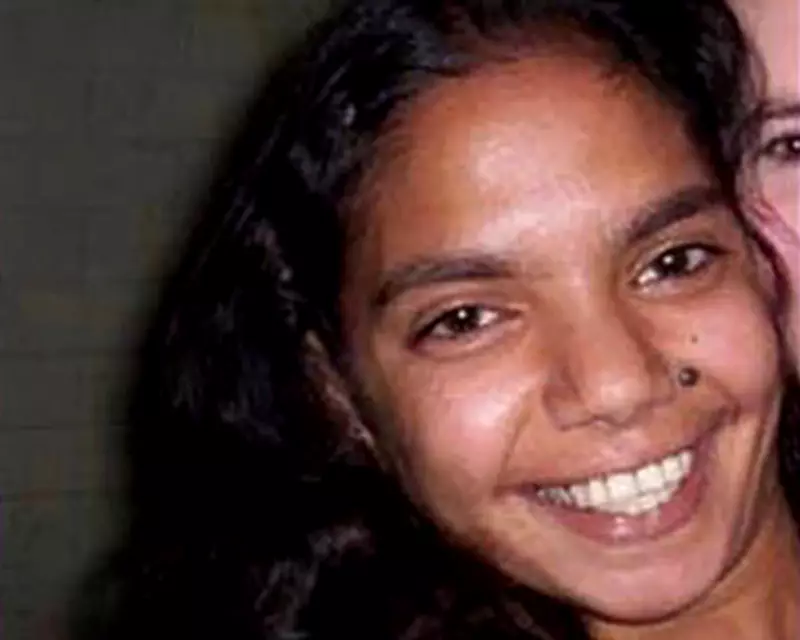
The family of an Aboriginal mother of seven who died just weeks after giving birth say the Western Australian government knew she was experiencing domestic violence and fearing for her safety weeks before her death.
Mary Ann Miller died of sepsis in Fiona Stanley hospital on 28 March, two weeks after giving birth to her son and after she was allegedly assaulted and had her nose broken by her former partner. Guardian Australia is not suggesting the alleged assault contributed to her death.
Eviction and Housing Issues
The Noongar woman was evicted from public housing in February. A spokesperson from the Department of Housing and Works said her tenancy agreement was terminated via a Magistrates Court order, which found the tenant had not responded to requests to provide staff access for required annual property inspections. Miller had been living at the house in Merriwa since 2021. In September last year, she applied for a priority transfer to the Fremantle region, which was approved and still pending. The spokesperson said all applicants on the priority waiting list have demonstrated an urgent need for housing, and those who disclose family violence concerns are provided advice and referrals. In consideration of her circumstances, the department retained her application on the priority waitlist after her eviction. The decision to apply for a court-order termination does not occur often and is taken as an action of last resort.

Family's Accusations
Mary Ann's mother, Kaye Miller, told Guardian Australia she believes her only daughter was failed by government agencies that should have provided more support. Kaye Miller said government agencies were aware of allegations that her daughter had been assaulted by her partner, including hitting her with a metal pole when she was pregnant, and that the alleged abuse caused her to feel unsafe in her home, leading to her moving repeatedly. He was beating her all the time, and the kids watched her be beaten all the time, Kaye Miller said. She added that her daughter and her extended support network were receiving support from the Department of Communities and the housing department prior to her death. The Department of Communities declined to comment on the record about specific support provided, concerns about safety, or whether it had launched a review.
Community and Expert Reactions
Dr Hannah McGlade, a member of the UN's Permanent Forum on Indigenous Issues and a women's safety advocate, said there were warning signs in Miller's file pointing to a potential escalation of risk. She had an urgent need for stable housing and wraparound family violence support, McGlade said. They had a duty of care to her. McGlade noted the need for safe houses and women's shelters appropriate for women with large families, and research showing women are at higher risk of violence during pregnancy and postpartum. Government agencies responding by evictions, through early discharge, through lack of effective case management is not good enough, she said.
Kaye Miller described her daughter as a loving mother who tried her best to protect her children and was well known and loved by the local Aboriginal community. She loved her children with all her heart. She dragged them around because she wouldn't leave them anywhere because she was afraid somebody was going to abuse them. She died trying to look after him. She was failed completely. I want to scream and shout but it could have been prevented. Mary did not have to die. I just want justice for my daughter, Kaye Miller said.
WA police said they were unable to establish any criminality in relation to Miller's death and a report was being prepared for the coroner.






