

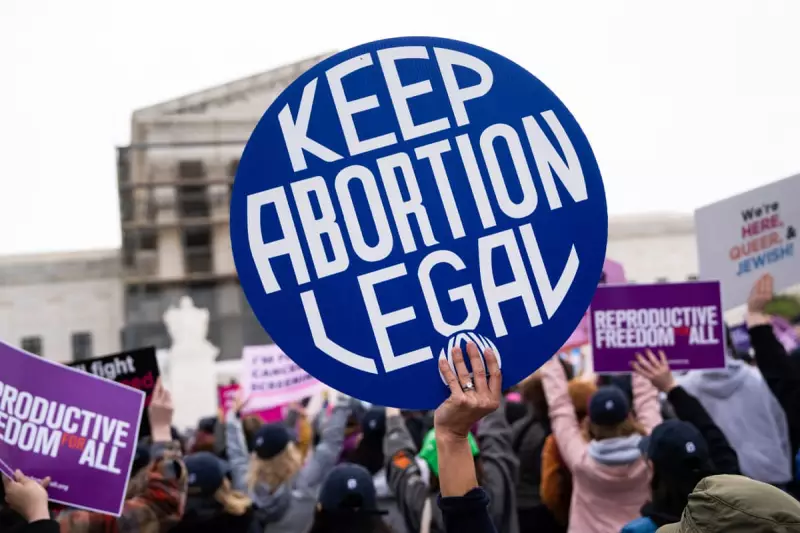
New polling data suggests the potent political force of abortion rights for the Democratic Party in the United States may be waning, presenting a significant strategic challenge ahead of the crucial 2026 midterm elections.
Polling Reveals a Stark Shift in Voter Priorities
According to research from the Public Religion Research Institute (PRRI), the proportion of Democrats who said abortion was important to their vote plummeted from 55% in 2024 to just 36% in October 2025. This decline stands in contrast to Republican voters, for whom the issue's importance remained largely steady over the same period.
Melissa Deckman, CEO of PRRI, attributed the shift to a tumultuous political climate. "It's just hard to catch your breath, because every day there's a new, outrageous thing happening with the administration," she said. The economy and affordability have now surged to the top of voters' concerns, alongside, for Democrats, a broad anxiety about the state of democracy itself.

This trend is echoed in a September poll from the 19th and SurveyMonkey, which found the voters most energised by abortion are now those seeking to ban it.
From Winning Issue to Electoral Miscalculation
The reversal is striking given the recent political history. Following the Supreme Court's overturning of Roe v Wade in 2022, abortion rights became the centrepiece of the Democratic electoral strategy. In the 2024 campaign, Vice President Kamala Harris placed it at the heart of her presidential bid, and Democratic groups spent a staggering $175 million on abortion-related TV ads.
However, the issue's power was ultimately overstated. Donald Trump won the popular vote and Republicans secured control of both houses of Congress. Despite enabling Roe's fall with his Supreme Court appointments, Trump successfully downplayed the debate, viewing it as a liability.
The changing dynamic is also affecting state-level ballot measures. While seven states are set to vote on abortion rights in 2025, the link between supporting such measures and backing Democratic candidates has frayed. In 2024, Trump won four states that simultaneously voted to add abortion rights protections to their constitutions.
The Real-World Consequences for Access and Advocacy
The fading national spotlight is having tangible, negative effects on the ground. Alisha Dingus, executive director of the DC Abortion Fund, which helps people pay for procedures, described a "messaging failure" in communicating the ongoing threat to access.
This is compounded by a sharp drop in donations. The surge of "post-Roe rage" funding has evaporated, and economic pressures have caused reliable donors to pull back. The DC Abortion Fund, which currently dispenses around $3,800 weekly to dozens of people, fears its resources will dry up, particularly for those needing to travel for care.
State-level battles remain critical, with advocates collecting signatures for ballot measures in Idaho, Montana, Nebraska, Oregon, and Virginia. Yet, past victories have sometimes proven hollow, as seen in Missouri. Voters there passed a constitutional amendment protecting abortion rights in 2024, but a protracted legal fight has still blocked clinics from offering the procedure. Now, in a stark turnaround, Missouri voters will be asked in 2026 to repeal the measure they passed just two years prior.
As the political landscape evolves, the challenge for abortion rights advocates and Democratic strategists is clear: reignite urgency for an issue that once mobilised their base, even as daily political tumult and economic worries dominate the national conversation.






