

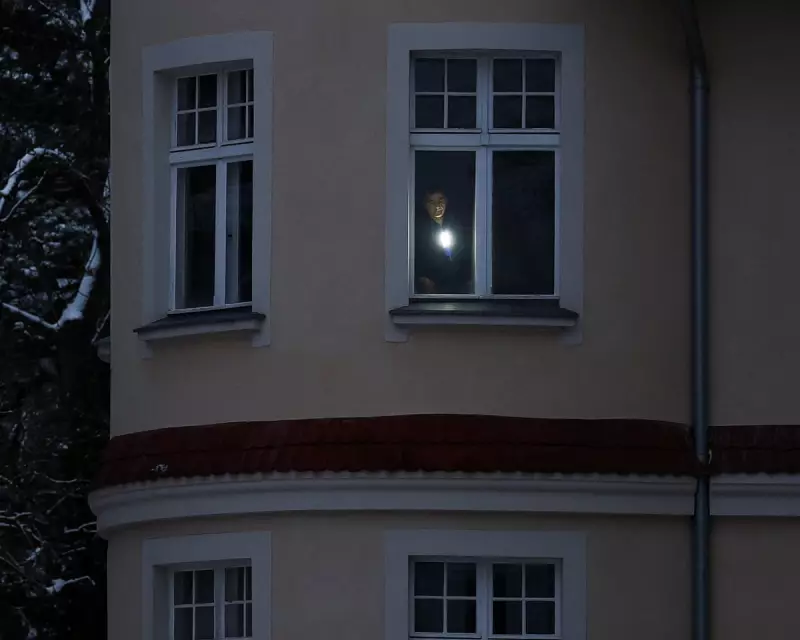
A major power outage has plunged affluent districts of southern Berlin into darkness and cold after a suspected arson attack claimed by left-wing militants protesting the climate crisis and artificial intelligence.
Attack Targets "The Ruling Class"
The incident began in the early hours of Saturday when a fire broke out on a bridge over the Teltow canal in south-west Berlin, near the Lichterfelde heat and power station. The blaze severely damaged several high-voltage cables. Grid operator Stromnetz Berlin stated the attack could deprive up to 35,000 homes and 1,900 businesses of electricity and heating until 8 January.
A group calling itself the Vulkangruppe, or Volcano Group, claimed responsibility in a lengthy 2,500-word pamphlet. German police have described the claim as credible. The militants stated their aim was to "cut the juice to the ruling class", specifically targeting some of Berlin's wealthiest neighbourhoods. They condemned the "greed for energy" from fossil fuels and framed the sabotage as an act of "self-defence and international solidarity".

The group also linked its actions to concerns over artificial intelligence, arguing that energy-hungry AI data centres exacerbate climate-damaging consumption while advancing societal surveillance. "One day we will simply sit before bright screens or dead machines while dying ourselves of thirst and hunger," the pamphlet warned.
Freezing Conditions and Widespread Disruption
The consequences of the attack are severe and widespread. The affected areas include the districts of Nikolassee, Zehlendorf, Wannsee, and Lichterfelde. Initially, 45,000 households and 2,200 businesses lost power. By Sunday midday, supplies had been restored to about 10,000 homes in Lichterfelde, but many face a prolonged wait.
Berlin's mayor, Kai Wegner, condemned the attack, stating he was convinced it had a political motive. "It is unacceptable that leftwing extremists are once again openly attacking our electricity grid and thereby endangering human lives," he said during a visit to an emergency shelter.
The timing could not be worse, with Berlin experiencing moderate snowfall and sub-zero night-time temperatures. The blackout affects numerous care homes, hospitals, and high-rise buildings where residents are now trapped without functioning elevators. Mobile networks failed, forcing police to use vehicle loudspeakers to communicate with the public.
Transport has also been disrupted, with several regional commuter lines interrupted. Many schoolchildren face an extended holiday as the return to classrooms on Monday was thrown into doubt.
A Pattern of Extremist Sabotage
This is not an isolated incident. The Vulkangruppe, which Germany's domestic intelligence service classifies as a left-wing extremist organisation, has a history of targeting infrastructure. In March 2024, the group claimed an arson attack on a pylon supplying Tesla's gigafactory near Berlin, halting production. A similar attack in September caused Berlin's longest power cut since WWII, lasting 60 hours.
Security experts note that such attacks require little specialist knowledge, as grid maps are widely available online, and few contingency plans exist for deliberate sabotage. The group is believed to be about 14 years old and selects targets for their "palpable effects on the population", aiming to cause destruction that requires lengthy, complex repairs.
While initial theories for the weekend outage included possible Russian sabotage, the claim from Vulkangruppe has shifted the focus. Repair crews are working against the clock, but freezing weather is hindering efforts to lay new underground cables. Stromnetz Berlin has warned that some households may not see power restored until Thursday afternoon.






