

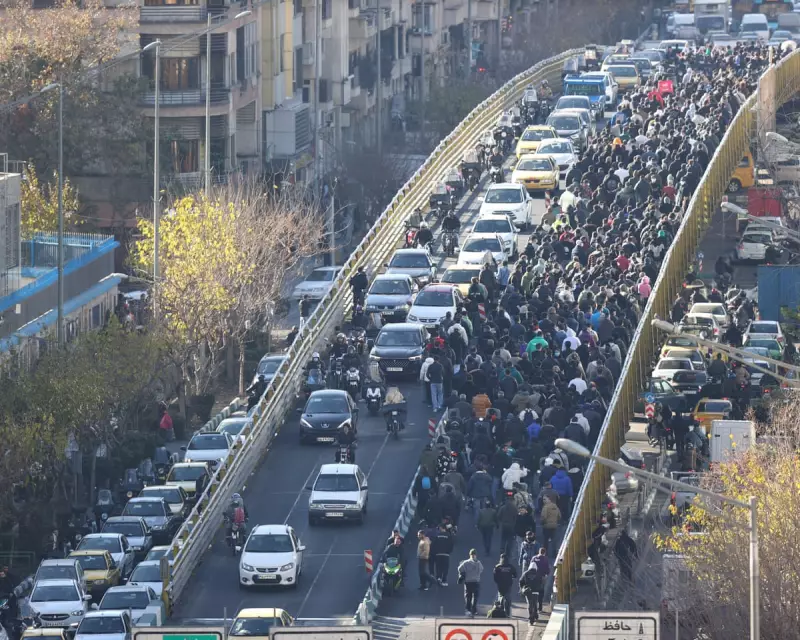
Iran has been plunged into a near-total internet blackout as nationwide protests triggered by a severe economic crisis intensify, marking the most significant wave of unrest in three years. The outage, which began on Thursday night, coincides with a violent crackdown by security forces that has reportedly left dozens of protesters dead.
Nationwide Unrest and Escalating Violence
Protests, which began in late December, have now spread to all 31 of Iran's provinces. The trigger is a profound economic malaise, characterised by a rapidly devaluing currency and soaring prices for food and medicine. The Norway-based NGO Iran Human Rights (IHR) stated on Thursday that security forces have killed at least 45 protesters since the demonstrations started, including eight children. Wednesday was singled out as the bloodiest day so far, with 13 confirmed fatalities.
The scale of the protest movement has alarmed the country's leadership, though it has not yet reached the size of the 2022 Woman, Life, Freedom demonstrations. In a significant act of defiance, protesters in the southern Fars province toppled a statue of Qassem Suleimani, the former commander of the Revolutionary Guards' Quds Force, who is revered as a hero by the regime.

Communication Cutoff and Government Response
The internet blackout, first detected by the monitor NetBlocks, severely restricts the flow of information from the country. Authorities have frequently used this tactic during previous periods of unrest. Shopkeepers in Kurdish regions and dozens of other cities heeded calls for a general strike, closing their businesses in a show of solidarity with the protest movement.
Facing mounting pressure, President Masoud Pezeshkian called for "utmost restraint" and urged security forces to avoid "violent or coercive behaviour." However, the government has simultaneously sought to blame external factors, primarily Western sanctions over Iran's nuclear programme, for the economic woes driving people onto the streets.
Leadership Vacuum and External Pressures
Unlike the 2022 protests that rallied around the death of Mahsa Amini, the current movement appears decentralised. Exiled crown prince Reza Pahlavi has attempted to position himself as a figurehead, urging Iranians to chant from their windows in a show of support. Social media channels linked to security forces have reportedly threatened those who participate.
Analysts suggest the state may feel less secure than in 2022, partly due to its recent military confrontation with Israel in June. The crackdown, while deadly, has not yet matched the previous intensity. Internationally, comments from US President Donald Trump threatening intervention if protesters are killed have drawn fierce condemnation from Iranian military officials, with the army chief threatening pre-emptive strikes.
The government continues to frame the unrest as the work of foreign-backed "saboteurs," citing attacks on police stations. With the currency in freefall and everyday life becoming unaffordable for millions, the regime faces a profound challenge in addressing the root economic grievances fuelling the dissent.






