

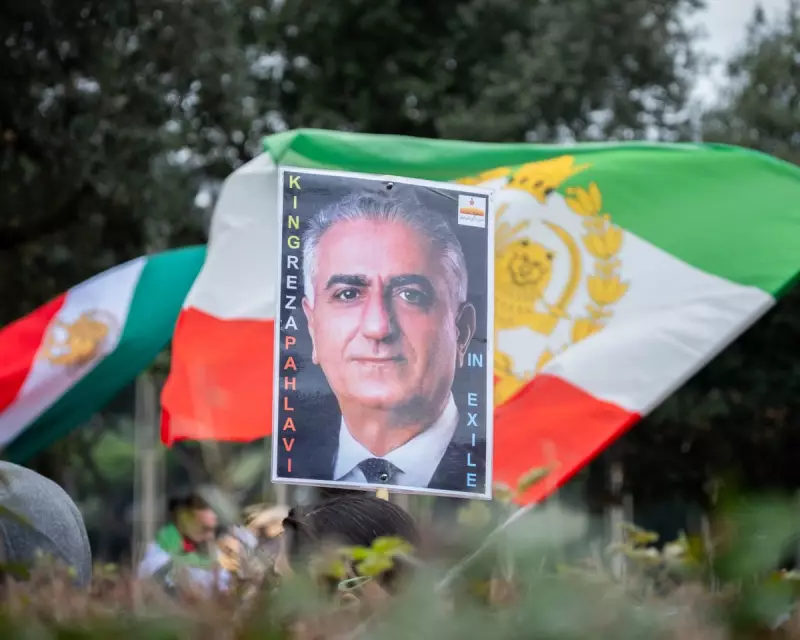
The Iranian state has once again responded to internal revolt with overwhelming force, deploying brutal repression to silence a wave of protests. This has left the country's opposition movement, both inside Iran and in the diaspora, in a state of grief and profound disarray, grappling with how to achieve meaningful change.
A Society Traumatised and Silenced
The scale of the recent crackdown is described by analysts as unprecedented in recent decades. Arash Azizi, author of 'What Iranians Want', states the actions represent the most brutal repression by the Islamic Republic since the 1980s. The impact has been numbing, with many Iranians discovering they knew someone who was killed. A weeklong communications blackout imposed by the state has made collective mourning and organisation even more difficult, isolating communities and deepening the trauma.
State propaganda has worked tirelessly to shape the narrative, portraying protesters as foreign pawns or drug-crazed individuals. This official story clashes violently with the lived experiences and contrasting memories of the Iranian people, creating what some observers see as an unbridgeable societal rift.

The Pahlavi Paradox: A Figurehead Under Scrutiny
At the centre of the opposition's inquest is Reza Pahlavi, the 65-year-old exiled son of the former Shah. His name has been chanted in protests, a sign interpreted by some as desperate nostalgia and by others as a search for any unifying symbol. For many younger Iranians, he represents a blank page upon which hopes can be projected.
However, Pahlavi now faces a severe credibility challenge. Critics accuse him of urging people onto the streets without a viable plan to support them or follow through. He had publicly predicted intervention by figures like former US President Donald Trump and called for strikes that failed to materialise. His courting of Israeli Prime Minister Benjamin Netanyahu has also yielded scepticism from Israeli officials about his leadership credentials.
Pahlavi's own public statements have sometimes seemed at odds. He often positions himself as a neutral broker for a democratic transition, yet at other times his language and that of his advisers suggests a more commanding role. When asked by CBS about responsibility for protester deaths, he responded, "This is a war and war has casualties," a remark that struck many as callous.
A Fractured Movement and an Uncertain Future
The opposition remains bitterly divided on fundamental questions. Deep fissures exist over the wisdom of seeking foreign backing for revolt and the best strategy for change. Past attempts to build cohesive coalitions, such as the National Council of Iran for Free Elections or the group formed during the 'Woman, Life, Freedom' movement, have struggled with internal disagreements and collapsed.
Some of Pahlavi's closest online supporters exhibit a vengeful, right-wing tone, promising retribution not just against the regime but also against its perceived apologists. This stands in stark contrast to the moral authority of imprisoned figures inside Iran, such as Nobel laureate Narges Mohammadi, whose stature may grow as exiled strategies falter.
The promise of Iran's reformist president, Masoud Pezeshkian, to listen to legitimate grievances proved hollow, demonstrating that reformist factions cannot control the security apparatus or the supreme leader's office. The state's machinery of repression remains intact and dominant.
As the diaspora demonstrates in cities like Rome, Barcelona, and Holon, the longing for change is palpable. Yet, unlike the 1979 revolution where disparate opposition groups merged into a powerful force, the current tributaries of dissent remain separated. The path forward for Iran's opposition is fraught, demanding a credible, organised alternative that it has so far failed to produce.






