

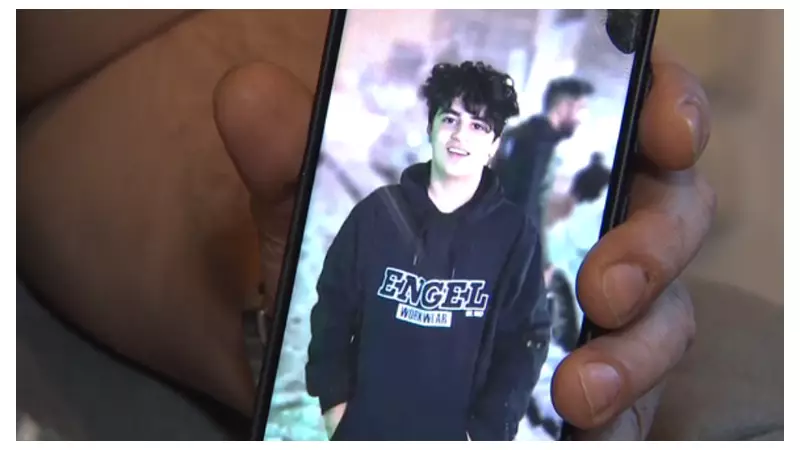
A relative of a teenage Iranian protester, now living in Cardiff, has provided a harrowing account of his cousin's final moments, alleging the 17-year-old was shot in the heart and then beaten to death with a gun butt by state security forces.
A Warehouse of the Dead
The disturbing testimony emerges against a backdrop of widespread state violence. At a government forensic centre in Kahrizak, on the outskirts of Tehran, a warehouse floor is reportedly covered with dozens, possibly hundreds, of black plastic body bags. Grieving families move between the rows, searching for loved ones, with one woman captured kneeling before a bloodied corpse, her face twisted in agony.
These scenes are believed to be replicated across Iran as the regime enforces a ruthless, state-backed crackdown on ongoing protests. Human rights groups estimate the death toll has reached around 650, though a near-total information blackout makes verification difficult.

The Cousin's Account from Cardiff
The victim has been named as 17-year-old Amir Ali Haydari from the city of Kermanshah in eastern Iran. His cousin, Diako Haydari, who lives in Cardiff, told Sky News that the teenager was protesting with classmates on Thursday, 8 January 2026.
"He was shot in the heart, and as he was taking his last breath, they hit him in the head with the butt of a gun so many times that his brain was scattered on the ground," Mr Haydari stated, relaying information from family in Iran.
He further revealed that authorities later issued a death certificate falsely claiming his cousin had died from a fall from a great height. The violence was not isolated to Amir Ali. Two of his friends are in a coma, and many others were killed in the same protest, according to the family.
Systematic Suppression and a Family's Grief
The Iranian authorities have moved aggressively to suppress all information. The internet is blocked, domestic and international phone calls are impossible, and even satellite internet receivers like Starlink have been disabled. State television broadcasts only pro-government rallies, creating a facade of normality.
Yet the scale of the violence is difficult to conceal. Diako Haydari said the death toll from the Kermanshah protest was so high that city buses were requisitioned to transport bodies to Taleghani Hospital. Amir Ali's uncle had to identify his body from amongst approximately 500 other corpses.
For the Haydari family in Cardiff, the news has been devastating. "I did not sleep last night, me and my wife did not sleep. There's nothing we can do," Diako Haydari told Sky News, encapsulating the helplessness felt by the diaspora.
The incident starkly illustrates the extreme measures Iran's clerical leadership is willing to employ to silence dissent and retain power, with the most brutal consequences falling on the nation's youth.






