

Iran's leadership is confronting what analysts describe as its most severe challenge since the 1979 revolution, with millions of citizens now openly united in a bid to dismantle the Islamic Republic and remove its supreme leader, Ayatollah Ali Khamenei.
A Nationwide Revolt Born from Economic Despair
The unrest, which has escalated dramatically over the past fortnight, began with shopkeepers demonstrating against a collapsing economy. Inflation is soaring, the national currency has plummeted, and the prices of staple foods like rice and bread have skyrocketed. However, the protests have rapidly evolved beyond economic grievances.
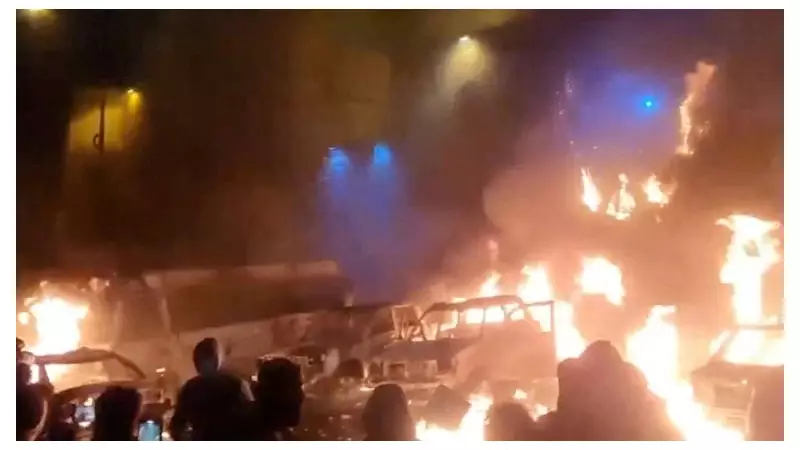
Iranians from all walks of life and across the country are now voicing profound frustration with the ruling class. Symbols of the state have been defaced or set ablaze, and a palpable sense of fearlessness towards the regime has taken hold. Footage from Tehran shows burning vehicles in the streets, a powerful visual testament to the scale of the anger.

The Regime's Dilemma: Crackdown or Capitulation
In a desperate attempt to control the narrative and quell the uprising, the regime has plunged the nation into a communications blackout. Both internet and phone networks have been severed, leaving most Iranians reliant on state media, which frames the events as the work of a small group of foreign-backed "anti-revolutionaries."
The 86-year-old Ayatollah Khamenei appeared on state television, accusing foreign "mercenaries" working for US President Donald Trump of fomenting the unrest. Meanwhile, hardliners within the regime are calling for a decisive and brutal response. Tehran's prosecutor has threatened to charge protesters with "waging war against God," a crime punishable by execution.
A Precarious Balancing Act for Survival
This push for a violent crackdown presents the ruling class with an existential dilemma. Employing excessive force could trigger a military response from the United States, given President Trump's history of threats against Iran. Dozens of protesters have already been killed.
Conversely, yielding to the demonstrators' demands is seen as equally perilous. The erosion of public fear means any sign of weakness could accelerate the regime's collapse. As Iranian historian Arash Azizi explained, a "highly sophisticated, urban, modern Iranian society" is in revolt against a government he characterises as repressive and humiliating.
The situation represents a critical moment for Iran. The ruling elite shows no willingness to relinquish power voluntarily, yet the scale and courage of the opposition suggest the country may be on the brink of a historic transformation.






