

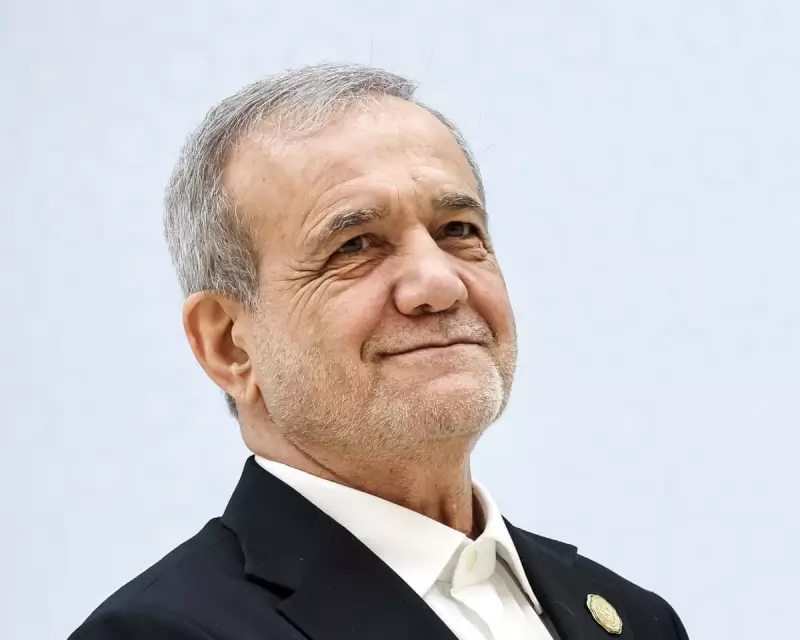
Iran's government has called for dialogue with the leaders of nationwide protests, marking the largest wave of public dissent in three years. The unrest was triggered by a catastrophic plunge in the national currency's value and a severe decline in living standards, prompting a significant political response from President Masoud Pezeshkian.
Widespread Unrest Over Economic Collapse
The protests erupted on Sunday after the Iranian rial fell to a historic low of 1.42 million to the US dollar. This dramatic devaluation led traders and shopkeepers in central Tehran to shutter their businesses in protest. The demonstrations quickly spread from the capital to other major urban centres, including Isfahan, Shiraz, and Mashhad.
Social media footage captured crowds chanting anti-government slogans, with cries of "Don't be afraid, we are together" and "Azadi" – the Farsi word for freedom – echoing through the streets. In response, Iranian police in riot gear were seen firing teargas to disperse the gatherings. This represents the most significant public challenge to authorities since the mass protests following the death of Mahsa Amini in police custody in 2022.

Government Pledges Reform Amid Domestic and External Pressure
On Tuesday, President Masoud Pezeshkian instructed his administration to listen to the "legitimate demands" of the protesters. A government spokesperson confirmed that a mechanism for dialogue would be established to engage with the protest movement's leaders.
"The livelihood of my people is my daily concern," Pezeshkian wrote in a post on X. He added that the government had "actions on the agenda to reform the monetary and banking system and preserve the purchasing power of the people." This conciliatory tone follows analysis suggesting the regime has reduced domestic repression since its conflict with Israel, aiming to shore up support after its image suffered significant blows.
The economic data underpinning the anger is stark. According to Iran's government statistics centre, food prices have soared by 72% and medical goods by 50% compared to the same period last year. The erosion of purchasing power is exacerbating a dire economic situation, making basic necessities increasingly unaffordable for ordinary citizens.
Currency Crisis and International Threats
The immediate catalyst for the protests was the currency's collapse. On Monday, state television reported the resignation of central bank chief, Mohammad Reza Farzin, a day after the rial's record fall. When Farzin took office in 2022, the currency traded at approximately 430,000 to the dollar, highlighting the scale of the recent devaluation. Iranian media have linked recent government liberalisation policies to the currency's depressed exchange rate.
As the Iranian government contends with internal turmoil, it faces renewed external threats. Former US President Donald Trump warned on Monday that the US could carry out further military strikes if Iran attempted to rebuild its nuclear programme. "Now I hear that Iran is trying to build up again. And if they are, we're going to have to knock them down," Trump stated during a meeting with Israeli Prime Minister Benjamin Netanyahu. Iran maintains its nuclear programme is entirely peaceful and that it is no longer enriching uranium.
In a separate diplomatic overture, Iranian Foreign Minister Abbas Araghchi, writing for the Guardian, expressed Iran's desire for dialogue with the US, stating the country remains open to an agreement based on mutual respect and interest.






