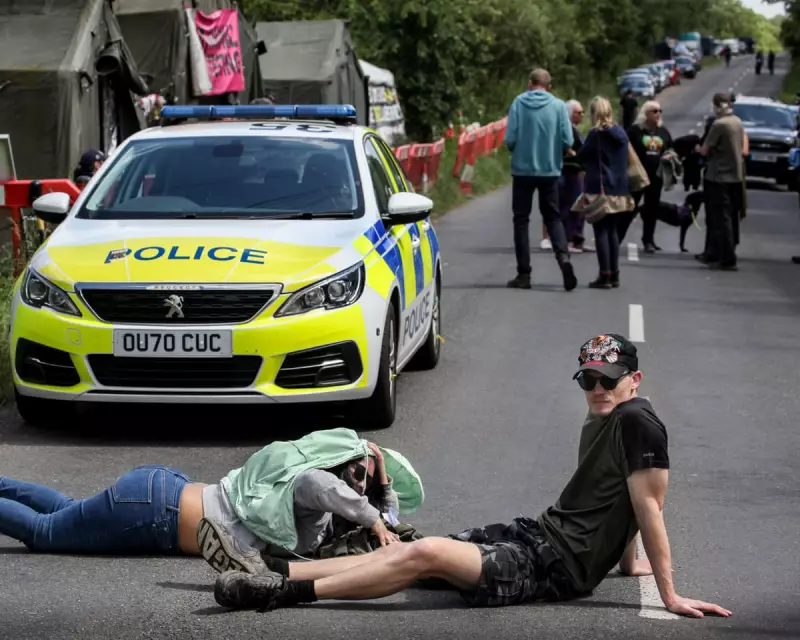
A significant rebellion is brewing in the House of Commons as Labour MPs join forces to oppose government plans that would severely restrict protests outside animal breeding and testing facilities.
Controversial Plans for 'Key National Infrastructure'
The government is seeking to amend the Public Order Act 2023 using a statutory instrument (SI), a form of secondary legislation. The proposed change would classify life science sites, including animal testing laboratories and their suppliers, as 'key national infrastructure'. This reclassification would grant police broad new powers to act against protesters who are deemed to 'deliberately or recklessly' disrupt these sites, with penalties of up to 12 months in prison or a fine. These powers would extend to online campaigns targeting the facilities.
The move, introduced by Policing Minister Sarah Jones in November, is facing fierce criticism for using an SI, which allows for minimal parliamentary scrutiny and no public consultation. Jones defended the measure, arguing that recent protests have threatened the UK's vaccine and medicine production capabilities and disrupted vital national health supply chains.

Cross-Party Fears Over 'Authoritarian Drift'
However, MPs from across the political spectrum are raising alarms. The Guardian understands that around 50 MPs in total plan to oppose the amendment in Wednesday's vote. Labour MPs Rachael Maskell and Neil Duncan-Jordan have been vocal critics, warning in a delegated legislation committee that the plans risk suppressing lawful protest and represent an 'authoritarian drift'.
Maskell questioned whether a peaceful protester 'holding up a sign with a picture of a bunny rabbit' could be targeted. Duncan-Jordan argued that life science facilities do not meet 'any reasonable definition of key national infrastructure' and highlighted the 'profound implications' for civil liberties. Veteran Labour MP John McDonnell has called for a full debate, warning the proposal sets a dangerous precedent and is a 'slippery slope'.
Campaigners Warn of Silencing Legitimate Opposition
Animal rights campaigners assert the amendment is a direct attempt to silence effective, legal protest. A coalition including Chris Packham, Protect the Wild, and Animal Rising has written to Home Secretary Shabana Mahmood. Their letter warns that curtailing the 'long and legitimate history' of peaceful action against animal testing is neither necessary nor proportionate and could erode public trust.
A spokesperson for Camp Beagle, the long-standing protest camp outside the MBR Acres dog breeding facility in Cambridgeshire, stated: 'This law isn’t being brought in because we’ve done anything wrong, but because we’re having an impact.' They argue their constant presence has brought hidden practices into public view, building fast-growing opposition.
The row is particularly pointed given the government launched a strategy to phase out animal testing last November. Rob Pownall, founder of Protect the Wild, accused the government of hypocrisy, saying it was 'shielding cruelty from scrutiny by criminalising the public for demanding change'.
A Home Office spokesperson reiterated that peaceful protest remains a fundamental democratic right, but insisted the change is about giving police proportionate powers to tackle disruptive protest that 'undermines our nation’s health'. The vote on Wednesday will be a key test of parliamentary will on the intersecting issues of protest rights, policing powers, and civil liberties in the UK.