

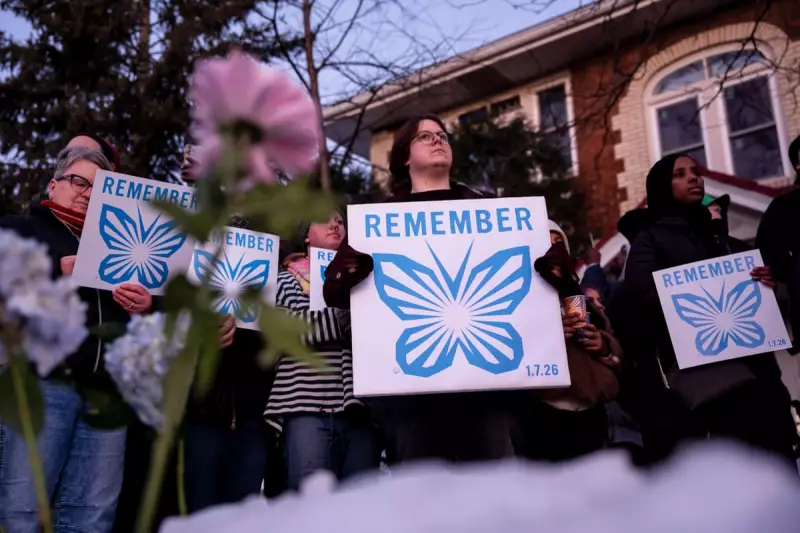
The city of Minneapolis has been plunged into a state of sustained protest and mourning following the fatal shooting of a woman by a federal immigration agent. The incident, which occurred on 7 January 2026, has transformed the Minnesota city into a focal point for national anger over the Trump administration's immigration policies.
A Community in Mourning: Vigils for Renee Nicole Good
The victim, identified as Renee Nicole Good, was killed by an officer from US Immigration and Customs Enforcement (ICE). Her death sparked immediate and heartfelt grief within the local community. On the evening of her killing, community members gathered for a solemn vigil to honour her memory. In the days that followed, her portrait became a powerful symbol of resistance, displayed on fences alongside images of others killed by police and at makeshift memorials near the site of her death.
By 10 January, organised protests were underway. Demonstrators marched from Powderhorn Park, with children holding signs on their stoops as the procession passed. The chants of "Renee Good, ICE bad" echoed through the streets, crystallising the public's fury. The protests were not confined to grassroots activists; on 12 January, students from Roosevelt High School staged a walkout, adding their voices to the growing demand for accountability and change.

Escalating Tensions: Clashes with Federal Agents
The situation escalated significantly in the week following the shooting. Protesters targeted symbols of federal authority, gathering outside the Bishop Henry Whipple federal building on multiple days. The building itself was under guard by agents in the aftermath of the killing. Tensions reached a new peak on 13 January, when demonstrations turned into direct confrontations.
Protesters gathered outside the Graduate Hotel, where federal immigration agents were reportedly staying. Later, during a raid in south Minneapolis, demonstrators and onlookers directly confronted federal law enforcement officers. The authorities responded with force, using teargas to disperse crowds. Photographs from the day show a man pouring water into his eyes after being sprayed, and another protester running through clouds of the chemical irritant near the site where Good was killed.
Federal actions extended beyond crowd control. On 11 January in nearby St Paul, Border Patrol agents were photographed smashing a car window at a gas station and dragging a man out for failing to present citizenship documentation. Another image from 13 January shows federal agents detaining a motorist during a raid in Minneapolis, underscoring the aggressive enforcement tactics fuelling the community's anger.
A Sustained Movement: Faith Leaders and Continued Resistance
The protest movement has shown remarkable breadth and resilience. From the outset, it has been supported by a coalition of community groups. On 8 January, clergy, faith, and community leaders gathered to publicly call for ICE to leave Minneapolis. At a rally on 9 January, activist Nour Tamimi led chants as people held signs bearing the names of others who died in immigration enforcement-related incidents, framing Good's death as part of a wider pattern.
The memorial for Renee Nicole Good, photographed on 14 January, stands as a poignant testament to a life cut short and a community's refusal to remain silent. The ongoing protests represent a powerful act of civic defiance against federal immigration crackdowns. Minneapolis has become a stark example of a city where citizens are actively refusing to submit, transforming their grief into a sustained campaign for justice and policy change.






