Former Prisoner Details Systemic Failures in Post-Release Support System
A former prisoner who served five and a half years in custody has issued a stark warning about the lack of meaningful support available upon release, despite holding advanced qualifications. In a powerful account, the individual reveals that probation services offer little more than monitoring, with no practical assistance for rebuilding a life from scratch.
Qualifications Meet Rejection in Job Market
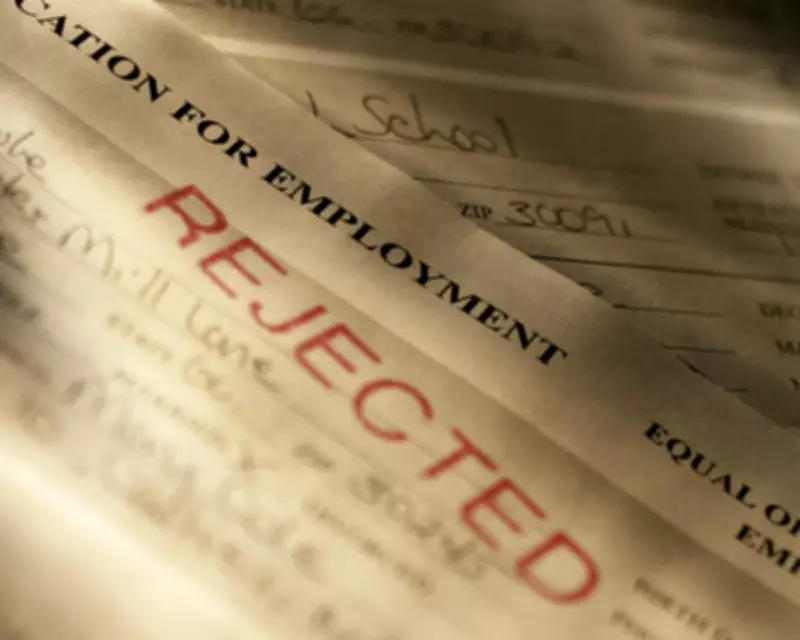
Despite possessing two degrees and qualifications up to level 7, the former prisoner reports being unable to secure even the most basic employment. Applications for jobs requiring no qualifications at all have been consistently rejected, highlighting a significant barrier to reintegration. "When you ask for help, it is simply not there," the individual states, emphasizing the gap between rehabilitation rhetoric and reality.
Probation System Criticized as Inadequate
The experience with probation is described as amounting to little more than brief monthly meetings, with no substantive aid in housing, employment, or social reintegration. "The system monitors you, but it does not support you," the former prisoner explains, pointing to a critical flaw in the current approach. Without family support, many would have no safety net, a luxury not available to all.

Call for Government Action to Reduce Reoffending
The account underscores that unless the government provides genuine, practical support—such as housing and employment help—individuals leaving prison are likely to fall back into cycles that led to incarceration. This failure not only affects those inside the system but also poses risks to public safety. The former prisoner urges policymakers to address this reality to effectively reduce reoffending and violence.
The broader implications for UK criminal justice and public services policy are clear: without systemic changes, the cycle of incarceration will persist, undermining efforts at rehabilitation and community safety.