English Councils to Receive Guidance on Designing Safer Streets for Women and Girls
In a landmark move, English councils are set to receive first-ever official guidance on creating streets that are safer for women and girls. This initiative, spearheaded by Active Travel England (ATE), aims to tackle what ministers describe as a systemic unfairness in people's ability to walk freely in their own neighbourhoods.
Key Measures in the Guidance
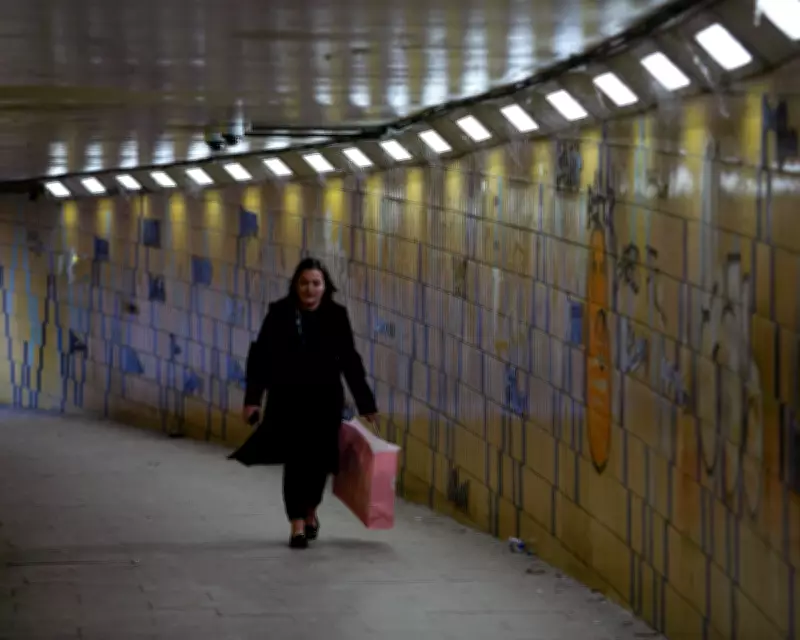
The guidance, currently being finalised, is expected to include practical measures such as improved lighting and CCTV installations. One significant proposal involves replacing dark underpasses with street-level crossings to enhance visibility and safety. Officials are also examining successful international schemes, including programs in Spain and Sweden that allow women to request bus drivers to drop them between stops at night, reducing walking time in poorly lit areas, particularly in rural settings.
Polling Highlights Safety Concerns
To underscore the urgency of this issue, polling commissioned by ATE reveals stark statistics. Nearly three-quarters of women report altering their routes during winter months to avoid dark places, while 88% feel unsafe walking alone after dark. Additionally, 57% of women and girls have opted for alternative transport modes, such as taxis or car pickups, due to safety worries, according to the YouGov survey.

Ministerial Perspectives
Local Transport Minister Lilian Greenwood emphasized that this guidance addresses a fundamental issue of fairness and aims to boost physical activity levels among women and girls, which are currently lower than those for men and boys. In a forthcoming speech, Greenwood will state, "For too many, particularly women and girls, walking comes with a constant, exhausting mental calculation about safety, lighting, routes, and risk." She added that improving street safety is a "political no-brainer" with benefits for public health and the economy.
Broader Implications and Support
The guidance, scheduled for publication later this year alongside training sessions, will enable councils to bid for central government funding for improvements, contingent on scheme quality. Chris Boardman, Commissioner for ATE, noted that the guidance will be informed by "listening to and acting on lived experiences," not just technical fixes. Jess Phillips, Home Office Minister for safeguarding and violence against women and girls, highlighted the goal of "shifting responsibility away from women and on to the spaces and behaviours that put them at risk."
Context and Criticism
This initiative follows earlier criticism when the government's national planning guidelines for England omitted references to women's safety. The housing and communities department had previously questioned the connection between planning and women's safety, making this new guidance a significant step forward in integrating safety considerations into urban design.