UK Launches Teen Social Media Ban Trial Ahead of Potential Under-16 Crackdown
Hundreds of teenagers across the United Kingdom are poised to participate in a groundbreaking government-backed trial of social media restrictions, as ministers carefully evaluate the possibility of implementing a nationwide ban for individuals under the age of 16. This six-week pilot program represents a significant step in gathering empirical evidence before any definitive policy decisions are made.
Structured Testing of Social Media Access Levels
The innovative trial will involve 300 teenagers aged between 13 and 17, who will be systematically divided into four distinct groups to test varying levels of access to popular social media applications such as TikTok, Snapchat, and Instagram. One group will experience a complete removal of social media apps, effectively simulating the impact of a full ban. Another cohort will face a strict one-hour daily limit on their usage, while a third group will be subject to a digital curfew that blocks access between 9 p.m. and 7 a.m. A fourth control group will continue using social media without any restrictions, providing a crucial comparison baseline.
Families participating in the trial will be interviewed both before and after the six-week period. Government officials will meticulously assess the impact of these restrictions on multiple facets of adolescent life, including sleep patterns, academic performance, family dynamics, and the practical enforceability of the rules. This comprehensive approach aims to provide a holistic understanding of how social media limitations affect teenagers' daily lives.

Government's Evidence-Based Approach
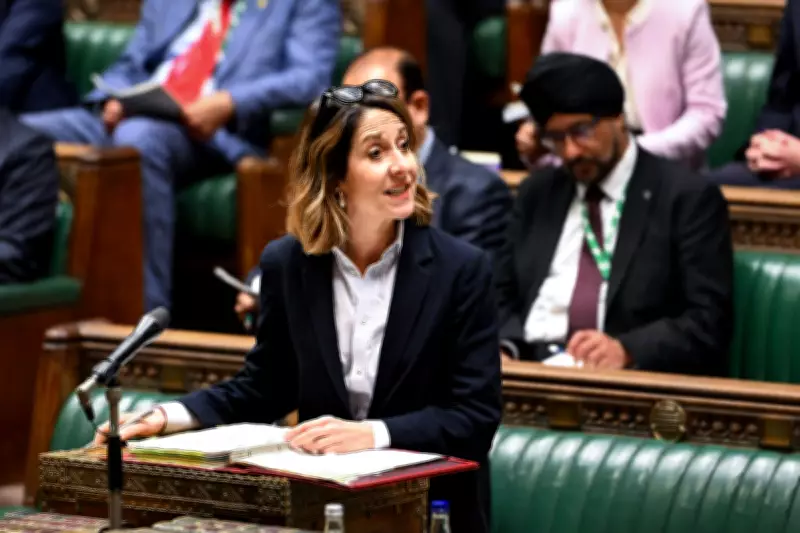
Technology Secretary Liz Kendall emphasized that the scheme is fundamentally designed to gather real-world evidence before any policy decisions are finalized. "These pilots will give us the evidence we need to take the next steps, informed by the experiences of families themselves," she stated during an interview with Times Radio on Wednesday. The trial coincides with a broader government consultation on whether the UK should follow Australia's lead in banning social media for under-16s. This consultation, which closes on 26 May, has already garnered nearly 30,000 responses, indicating substantial public interest in the issue.
Growing International Pressure and Domestic Debate
The pilot reflects escalating political pressure to tighten regulations surrounding children's use of social media platforms, with countries including France and Spain also considering similar restrictive measures. However, UK ministers have cautiously avoided committing to a full ban at this stage, expressing concerns that such a move could prove ineffective or potentially drive young users toward less regulated corners of the internet.
Kendall acknowledged the complexity of the debate, noting that some organizations warn bans could "go underground" and reduce accountability for technology firms, while many parents and educators advocate for clearer, simpler rules. "This is why we're having this consultation, and I believe that we should be having this conversation," she told Times Radio, highlighting the government's balanced approach to this contentious issue.
Support from Child Safety Advocates
Child safety groups have generally welcomed the government's methodical approach but stress that stronger action may ultimately be necessary. Rani Govender of the NSPCC urged ministers to be prepared to act decisively once evidence is gathered, including potentially forcing technology companies to integrate stronger protective measures into their platforms. Meanwhile, the Molly Rose Foundation endorsed the trial, stating it was "entirely right" to test policies before introducing sweeping restrictions.
Complementary Academic Research
In parallel with the government pilot, a separate large-scale academic study supported by the Wellcome Trust will track 4,000 pupils aged 12 to 15. This research aims to deepen understanding of how reduced social media usage influences various aspects of wellbeing, including anxiety levels, sleep quality, and school attendance rates. Together, these initiatives represent a comprehensive, multi-faceted effort to inform future policy decisions regarding youth social media access in the UK.