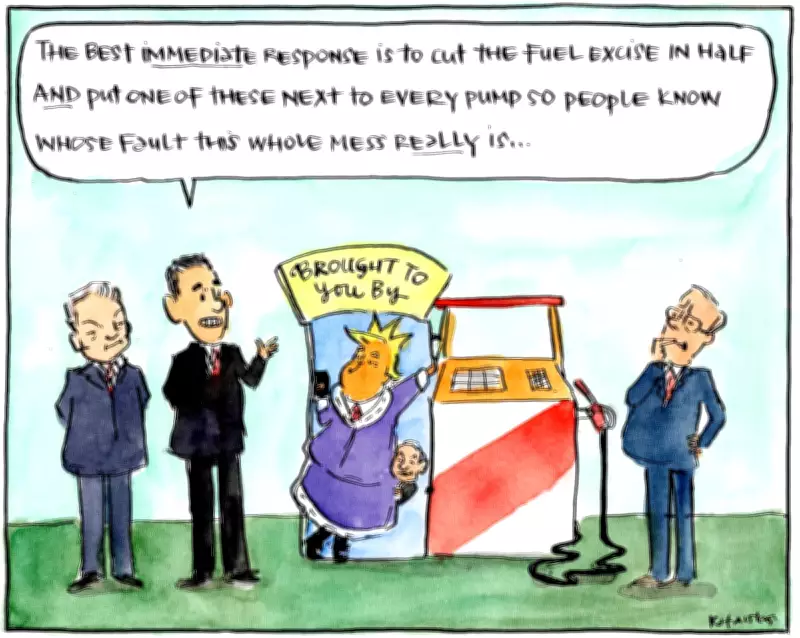
In recent months, the government has found itself grappling with a surge in voter anger over escalating petrol prices. This issue has become a focal point of public discontent, with many consumers feeling the pinch at the pump as fuel costs reach new heights. The rising prices are not just a matter of personal finance; they ripple through the economy, affecting everything from transportation costs to the price of goods and services.
Understanding the Root Causes of the Price Surge
The increase in petrol prices can be attributed to a complex interplay of global factors. Geopolitical tensions in oil-producing regions have disrupted supply chains, leading to shortages and higher costs. Additionally, fluctuations in international oil markets, driven by demand shifts and production cuts, have exacerbated the situation. Domestically, taxes and regulatory policies also play a role, adding layers to the final price consumers pay at petrol stations.
Potential Government Interventions to Alleviate the Burden
To address voter anger, the government is considering a range of measures. One option is to temporarily reduce fuel taxes, which could provide immediate relief to consumers. However, this must be balanced against the need for revenue to fund public services. Another approach involves increasing subsidies for alternative energy sources, such as electric vehicles, to reduce long-term dependence on petrol. The government might also explore strategic reserves or price caps, though these come with their own economic risks and logistical challenges.

The Broader Economic and Social Implications
Beyond the immediate financial strain, high petrol prices have wider implications. They can lead to increased inflation, as transportation costs are passed on to consumers in the form of higher prices for everyday items. This disproportionately affects low-income households, who spend a larger share of their income on fuel. Moreover, the environmental impact of continued reliance on petrol cannot be ignored, adding urgency to discussions about sustainable energy transitions.
Public Sentiment and Political Ramifications
Voter anger over petrol prices is not just an economic issue; it has significant political ramifications. As public frustration mounts, it could influence upcoming elections and shape policy debates. The government must navigate this carefully, balancing short-term fixes with long-term strategies to ensure energy security and affordability. Engaging with stakeholders, from industry leaders to consumer groups, will be crucial in developing effective solutions that address both immediate concerns and future challenges.
In conclusion, the government faces a critical test in managing voter anger over petrol prices. By exploring a mix of tax adjustments, subsidies, and strategic interventions, it can work towards mitigating the impact on consumers and the economy. However, any measures must be part of a broader vision for energy policy that prioritizes sustainability and equity in the face of global uncertainties.