London's Al Quds March Banned Over Severe Public Disorder Risks
The Metropolitan Police has successfully requested a ban on a pro-Iranian march planned for London this weekend, with Home Secretary Shabana Mahmood approving the move to prevent serious public disorder. This decision marks the first such ban since 2012, highlighting the unique risks and challenges posed by this year's event.
Police Cite Extreme Tensions and High Risks
According to the Met, the scale of the protest and multiple counter-protests would have created severe risks that could not be mitigated through conditions alone. A statement from the force emphasized the likely high numbers of protesters and counter-protesters, coupled with extreme tensions between different factions. The volatile situation in the Middle East, including Iranian regime attacks on British allies and military bases overseas, was also a key consideration.
Additionally, the Met pointed to threats posed by the Iranian regime on British soil, such as recent arrests of four men by counter-terror police for spying on the Jewish community. Previous marches have resulted in arrests for supporting terrorist groups and antisemitic hate crimes, further justifying the ban.

Stationary Protest Allowed Under Strict Policing
While the march is banned, a stationary protest will be permitted but will be subject to strict policing measures. The Met clarified that this decision was not taken lightly, asserting that they do not police taste or decency or favor one political view over another, but aim to reduce violence and disorder.
Organizers Condemn Ban as Politically Charged
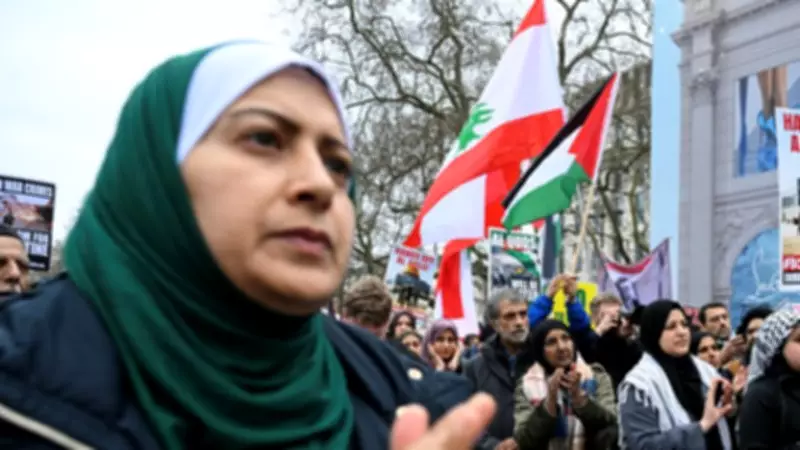
The Islamic Human Rights Commission (IHRC), which organizes the annual Al Quds Day event to express solidarity with the Palestinian people, has condemned the ban as a politically charged decision. The IHRC stated that it is not based on the security of London's people and expressed hope that attendees would still join the stationary rally, with plans to seek legal advice on the ban.
The event has drawn criticism due to organizers' support for Ali Khamenei, Iran's former supreme leader killed in US-Israeli strikes, whom the IHRC described as standing on the right side of history. Opposition to the march has intensified following the October 7 attacks by Hamas on Israel and the subsequent bombardment of Gaza.
Background and Implications
Al Quds Day is an annual event timed towards the end of Ramadan, traditionally focused on pro-Palestinian solidarity but increasingly associated with pro-Iranian sentiments. The ban reflects growing security concerns in London amid global tensions, with authorities prioritizing public safety over protest rights in this instance.