Prime Minister's Rare National Address Focuses on Fuel Security Amid Global Tensions
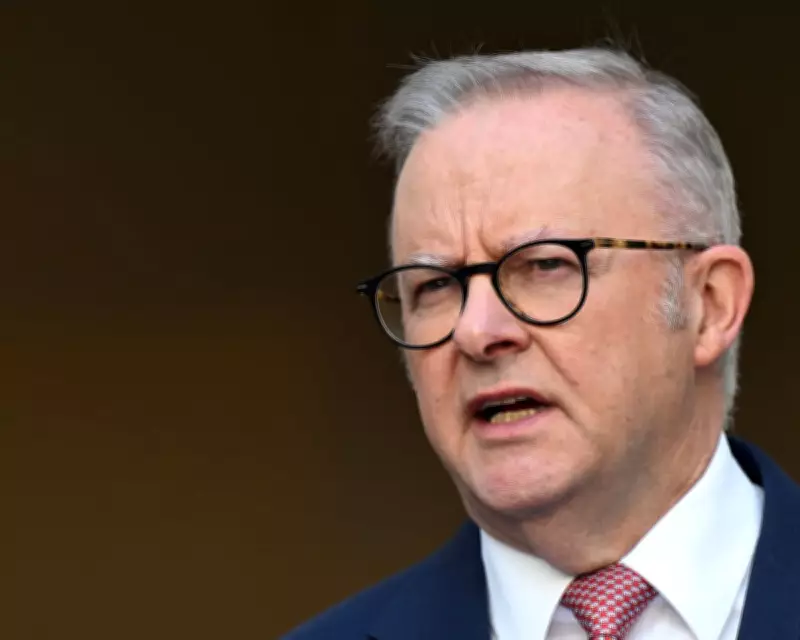
In an unprecedented move reflecting the gravity of the current situation, Australian Prime Minister Anthony Albanese has delivered a rare prerecorded video address to the nation, directly confronting public anxieties about dwindling fuel supplies and escalating petrol prices. The prime minister's message centered on both immediate relief measures and long-term strategies to stabilize Australia's fuel security during what he described as "uncertain times" stemming from the ongoing Middle East crisis.
Immediate Measures and Public Appeals
Albanese detailed several immediate interventions his government has implemented to alleviate pressure on Australian consumers and industries. These include the temporary halving of the fuel excise until July, which officially commenced this week, alongside the complete elimination of heavy vehicle road user charges for the time being. The prime minister emphasized that these measures are designed to provide immediate financial relief while more structural solutions are developed.
In a direct appeal to citizens, Albanese urged Australians to adopt fuel-conserving behaviors. "If you're hitting the road, don't take more fuel than you need—just fill up like you normally would. Think of others in your community, in the bush and in critical industries," he stated. Furthermore, he specifically encouraged workers to consider alternative transportation methods: "And over coming weeks, if you can switch to catching the train or bus or tram to work, do so. That builds our reserves and it saves fuel for people who have no choice but to drive."

Long-Term Fuel Security Strategy
Beyond temporary relief, the prime minister outlined a comprehensive, multi-pronged approach to ensure Australia's fuel security over the coming months. Central to this strategy is increasing domestic fuel production through enhanced refining capabilities for local consumption. Simultaneously, the government is leveraging Australia's international trade relationships to secure additional fuel imports.
"We are working to bring the price of fuel down. To make more fuel here and to keep it onshore," Albanese declared. "And get more fuel here—using our strong trading relationships with our region to bring more petrol, diesel and fertiliser to Australia." This dual approach aims to create a buffer against global market volatility while reducing dependency on foreign supplies.
Economic Context and Government Preparedness
The prime minister's address comes amid growing economic concerns as the Middle East conflict disrupts global energy markets. Treasurer Jim Chalmers reinforced these concerns, revealing that government officials are modeling various economic scenarios, including a prolonged oil crisis that could potentially trigger a recession. "The longer the shock drags out, obviously, the harsher the consequences for our economy, whether that's measured by inflation … or by impacts on the labour market," Chalmers warned.
Currently, Australia remains at level two of the national cabinet's four-stage fuel security plan, indicating that while the situation is being monitored closely, no stricter demand-reduction measures have been implemented. The government has enacted several interventions in recent weeks to bolster petrol and diesel supplies, aiming to cushion the domestic economy from the global energy crisis exacerbated by the Iran war.
International Developments and Future Communications
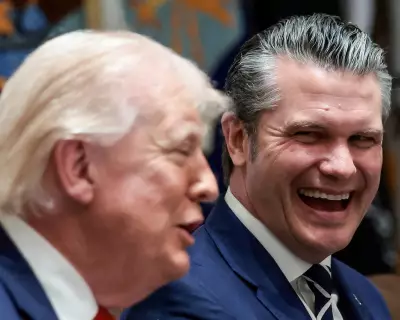
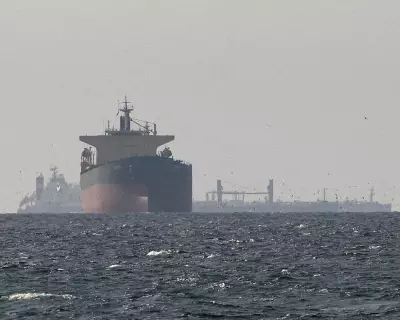
Albanese's remarks were delivered shortly before U.S. President Donald Trump's scheduled national address on the Iran war, highlighting the interconnected nature of the crisis. Trump suggested that U.S. military operations might conclude within "two or three weeks," while Secretary of State Marco Rubio expressed optimism about nearing conflict resolution. The Australian government is keenly awaiting the reopening of the Strait of Hormuz, a critical chokepoint for global oil shipments, to mitigate further economic shocks.

The prime minister is scheduled to appear at the National Press Club in Canberra, providing another platform to update the public ahead of the Easter long weekend. This continued communication underscores the government's commitment to transparency and public reassurance during this period of global instability and domestic economic pressure.