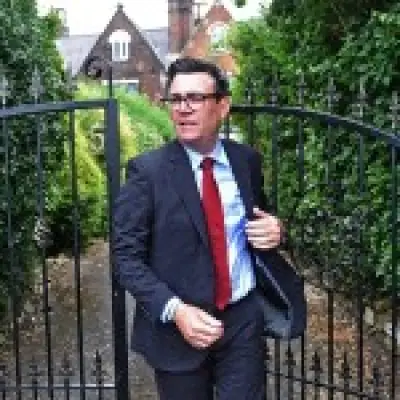
Birmingham's Fragmented Election Field Threatens Council Governance
Veteran Liberal Democrat councillor Paul Tilsley, first elected in 1968, predicts that no single political party will achieve an overall majority in Birmingham's upcoming council elections. "I think the result is going to be somewhat of a bugger's muddle," Tilsley stated, expressing concern about the city's governability. "I cannot see you getting to a result on 7 May where you could put two parties together to govern Birmingham."
Political Landscape Transforms Dramatically
While Tilsley's initial election occurred during a period of Labour government unpopularity with economic crises and immigration tensions, today's political environment presents unprecedented fragmentation. Candidates from Labour, Conservatives, Greens, Reform UK, and numerous independents are competing across Birmingham's wards, creating what many fear could become an unworkable council structure.
Labour's fourteen-year dominance in Birmingham appears vulnerable following multiple council crises, including a botched IT system implementation, effective bankruptcy declaration in 2023, and international headlines about refuse worker strikes. Tilsley has been particularly critical of Labour's record, describing the local authority as "a shadow of what it was."

Independent Alliance Emerges as Significant Force
Criminal lawyer Akhmed Yakoob leads the Independent Candidates Alliance, which has formed an electoral pact with George Galloway's Workers Party to field approximately seventy prospective councillors. Yakoob, who nearly unseated Labour's Shabana Mahmood in the 2024 general election primarily campaigning against Labour's Gaza policy, claims Birmingham voters have realized Labour has been "deceiving them for decades."
Despite controversy surrounding some alliance candidates, including Shahid Butt who was convicted in a 1999 Yemen consulate bombing plot, Yakoob insists his group would work with Greens and Liberal Democrats "for the betterment of the voters," though he explicitly rules out cooperation with Labour or Reform.
Financial Realities Challenge Political Promises
Tilsley warns that newly elected councillors, regardless of party affiliation, will confront Birmingham's dire financial situation. "We will have a situation where ... a large number of councillors elected for the first time, with the best will in the world, think they can change the world," he explained. "And then, when you look at the financial situation, realize that all the promises that you've made are undeliverable."
His greatest concern involves potential council ungovernability, with opposing factions unable to form functional coalitions. This could necessitate extended oversight by government-appointed commissioners originally brought in for five years following the 2023 bankruptcy declaration.
Community Organizations Express Concerns and Hopes
Mus Dar, founder of Brummies United Against Racism, acknowledges widespread voter frustration but worries about Reform exploiting legitimate concerns. "We know there are issues in our communities ... but those problems aren't caused by migrants," Dar emphasized. Her organization has secured anti-racism pledges from most parties except Conservatives and Reform.
Mashkura Begum of women's organization Saathi House highlights Birmingham's pressing social issues, including some of Europe's highest child poverty rates despite being one of the continent's youngest cities. "We're keeping a very close eye on the elections," Begum stated, expressing openness to new independent candidates despite their lack of governmental experience.
Mainstream Parties Defend Their Positions
Labour council leader John Cotton describes the election as high-stakes, offering voters "a clear choice" amid predictions of poor Labour performance nationally. West Midlands Labour Mayor Richard Parker warns about potential "coalition of chaos" outcomes, emphasizing the need for "serious people running our councils."
Conservative group leader Robert Alden asserts his party has a comprehensive plan "to balance the books, end the strike and clean up the city," while refusing to sign anti-racism pledges he believes imply national flags are racist.

Experience Versus Fresh Perspectives Debate
Reform UK faces criticism about governance inexperience, particularly regarding Birmingham's substantial £3.5 billion budget. A Reform spokesperson countered that Labour has "comprehensively failed" and that incumbent council members lecturing about competence is "frankly absurd."
Tilsley remains skeptical about inexperienced candidates' abilities to manage Europe's largest local authority. "If anybody thinks that simplistic solutions will solve Birmingham's problems, think again," he cautioned, questioning whether independents, Greens, or Reform candidates could address the city's complex challenges.
The Green Party indicates willingness to collaborate with like-minded councillors while giving "short shrift" to those seeking community division. Meanwhile, reports suggest Unite union has held secret talks with Reform regarding resolution of the ongoing bin worker dispute.
As Birmingham approaches these critical elections, the city stands at a governance crossroads, with potential outcomes ranging from innovative coalition-building to complete political paralysis affecting millions of residents.