Police Dismiss Human Origin of Bone in Muriel McKay Case
In a development that has dashed the hopes of a grieving family, police have confirmed that a bone unearthed during an independent search for the remains of murder victim Muriel McKay is not of human origin. The discovery was made approximately one metre deep in the back yard of a betting shop located in Hackney, East London, on Friday, 20 March 2026.
Forensic Analysis Concludes Non-Human Finding
The Metropolitan Police issued a statement clarifying the situation: "Police are aware of reports surrounding the discovery of a single bone in the garden of a property in Bethnal Green Road, Hackney. The bone was uncovered on Friday, 20 March, during an independent search. Officers attended the scene assisted by forensic colleagues who have determined the bone does not belong to a human." The bone, described as about nine inches long and a couple of inches wide, was found by excavators working on behalf of McKay's family, who had been led to the site based on information suggesting her body was buried there 57 years ago.
Family's Emotional Reaction and Long Search
Ahead of the police confirmation, Muriel McKay's grandson, Mark Dyer, expressed cautious optimism: "It would be a great outcome to end this ghastly mystery for our whole family and all of those who've been interested enough to follow our story. Four years of intense investigation have led us here and we're waiting to hear if the bone is human. It's been found in a place we were told to look last year." The family's quest for closure has been ongoing for decades, marked by false leads and renewed investigations.

Background of the Muriel McKay Kidnapping
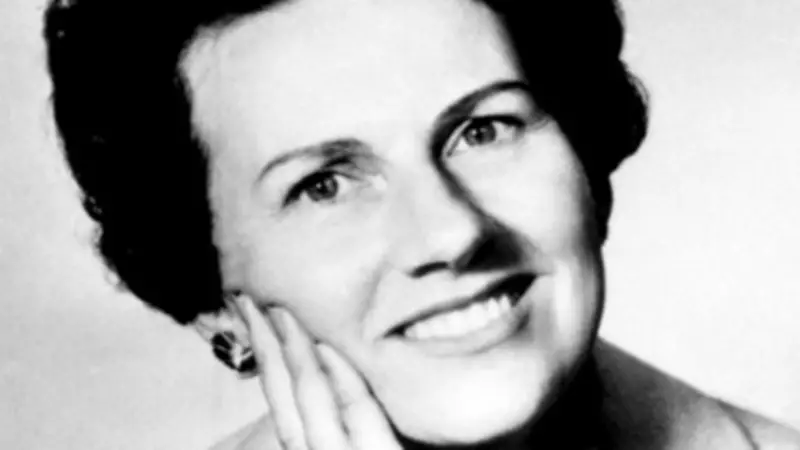
Muriel McKay, 55, was the wife of Alick McKay, who served as deputy to newspaper mogul Rupert Murdoch. She was kidnapped from her home in Wimbledon just after Christmas in 1969 by brothers Arthur and Nizamodeen Hosein, who mistakenly believed she was Murdoch's wife, Anna. The brothers held her at their farm in Hertfordshire, demanding a ransom of one million pounds for her safe return.
Both brothers were arrested and convicted of Muriel's murder at the Old Bailey in one of the first murder trials conducted without evidence of the victim's body. Despite their convictions, they never disclosed the location of Muriel's remains, leaving her fate a mystery.
Recent Developments and Family Efforts
In recent years, the family has pursued various leads to uncover the truth. Five years ago, they tracked down Nizamodeen Hosein to Trinidad, where he confessed to burying Muriel on the farm after she died from a seizure. Based on his account, Scotland Yard reopened the investigation and conducted excavations at the farm, but no remains were found, leading authorities to doubt his story.
Last year, the family offered a £1 million reward for information, which prompted contact from Hayley Frais in Israel. She revealed that her late father, Percy Chaplin, a tailor in Bethnal Green during the 1960s and 1970s, had employed Arthur Hosein. On his deathbed, Chaplin expressed suspicions that a criminal associate of Hosein's had exhumed Muriel's body from the farm and reburied it behind his premises, now the site of the betting shop where the bone was found.
Ongoing Mystery and Impact
This latest discovery, while not human, underscores the persistent and emotional nature of the search for Muriel McKay's remains. The family continues to seek answers, driven by a desire for closure after more than half a century. The case remains a poignant reminder of unresolved crimes and the lengths to which families will go to find peace.