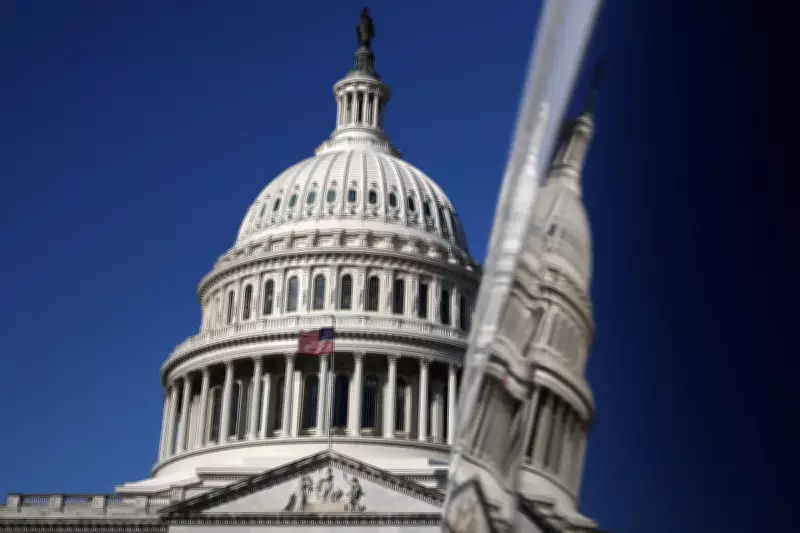
Congress Grants 10-Day Extension to FISA Surveillance Law
On Friday, Congress approved a 10-day extension of the Foreign Intelligence Surveillance Act (FISA), specifically section 702, a contentious law that permits U.S. authorities to conduct warrantless surveillance on emails, text messages, and phone calls of individuals outside the United States, including some Americans. This decision came after a week of intense debate among lawmakers, highlighting deep divisions within the Republican Party over the balance between national security and civil liberties.
What Is Section 702 of FISA?
Section 702, added to FISA in 2008, empowers agencies like the National Security Agency (NSA) and the FBI to monitor communications of foreign citizens abroad without obtaining a warrant. Originally designed to target terrorist groups and criminal organizations, the law has been criticized for its broad application, allowing the surveillance of American citizens' communications when they interact with individuals overseas. This has led to allegations of misuse, with civil liberties groups arguing it creates a backdoor for warrantless searches.
Why Is Section 702 So Divisive?
The law faces opposition from both progressives and libertarian conservatives, who view it as a violation of privacy rights. Critics point to instances of misuse, such as the FBI improperly using section 702 nearly 300,000 times between 2020 and early 2021 to target January 6 suspects and racial justice protesters. This has fueled calls for reforms, including requiring warrants for accessing U.S. citizens' communications. Former President Donald Trump initially criticized the law but later urged Republicans to unify for its extension, adding to the political friction.

Defenders, including U.S. intelligence agencies, argue that section 702 is crucial for preventing terrorist attacks, cybercrime, and drug trafficking. They warn that imposing warrant requirements or eliminating the law could hinder efforts to combat threats from adversaries like China and extremist groups.
What Happens Next with Section 702?
The 10-day extension ensures the law remains active beyond its original expiration date of April 20, though it requires periodic reauthorization. Surveillance under section 702 can continue through March 2027, even without further congressional action, due to certifications from a special federal court. Republican Speaker Mike Johnson sought the short-term extension to appease far-right members who threatened to block the bill entirely, reflecting ongoing tensions within the GOP over surveillance policies.