Cuba's Nationwide Blackout Deepens Amid US Energy Blockade
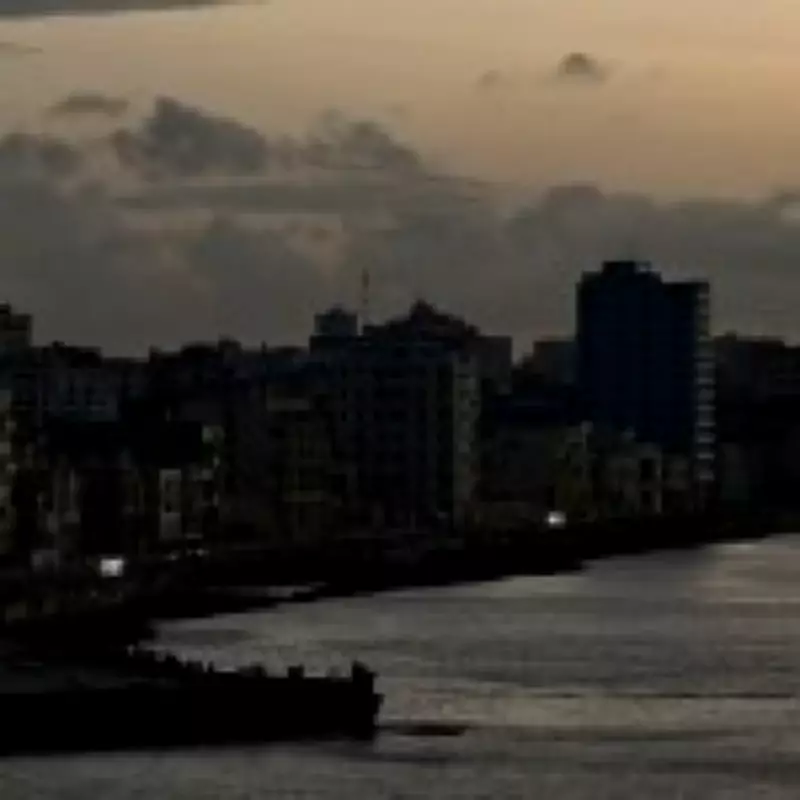
Cuba is grappling with a catastrophic island-wide blackout as its energy infrastructure collapses under the strain of a deepening economic crisis. The Ministry of Energy and Mines reported a 'complete disconnection' of the national electrical system on Monday, launching an investigation into the failure. Despite no immediate faults in operational units, the ageing power grid has succumbed to systemic issues, exacerbating the country's woes.
Trump's Demands and Sanctions Escalate Crisis
The Cuban government attributes the blackout to a US energy blockade, intensified after President Donald Trump threatened tariffs in January on nations supplying oil to Cuba. Trump's administration is pushing for Cuba to release political prisoners and initiate political and economic liberalisation as conditions for lifting sanctions. In a recent statement, Trump remarked, 'I do believe I’ll have the honour of taking Cuba. Taking Cuba in some form, whether I free it, take it, I can do anything I want.'
President Miguel Diaz-Canel highlighted that Cuba has not received oil shipments for three months since Trump's intervention in Venezuela, where critical supplies were halted after US actions in early January. With the blockade in place, Cuba relies on solar power, natural gas, and thermoelectric plants, leading to postponed surgeries for tens of thousands and widespread food spoilage. Residents like Yaimisel Sanchez Pena, 48, and Mercedes Velazquez, 71, express frustration over deteriorating living conditions.

US Strategy to Oust Cuban Leadership
On Friday, Diaz-Canel confirmed ongoing talks with the US government as the crisis worsens. Reports from January indicate the US aims to 'change leadership' in Cuba by 2026, seeking insider deals to facilitate this. The Wall Street Journal first revealed plans to oust Diaz-Canel, who has led since 2019, with the US engaging Cuban exiles in Miami and Washington to influence officials in Havana. This follows historical US attempts to acquire or destabilise Cuba, including the failed Bay of Pigs invasion in the 1960s.
Power Grid Collapse and Humanitarian Impact
Cuba produces 40% of its petroleum but struggles to meet energy demand. William LeoGrande, a professor at American University, notes, 'The Cuban government doesn’t have the hard currency to import spare parts or upgrade the plant or grid itself. It’s just a perfect storm of collapse.' Thermoelectric plants using heavy oil with high sulphur content are corroding equipment, compounding failures.
Tomas David Velazquez Felipe, a 61-year-old Havana resident, describes relentless outages prompting thoughts of emigration: 'What little we have to eat spoils. Our people are too old to keep suffering.' The blackout underscores a broader humanitarian crisis, with the government scrambling for solutions amid international pressure.