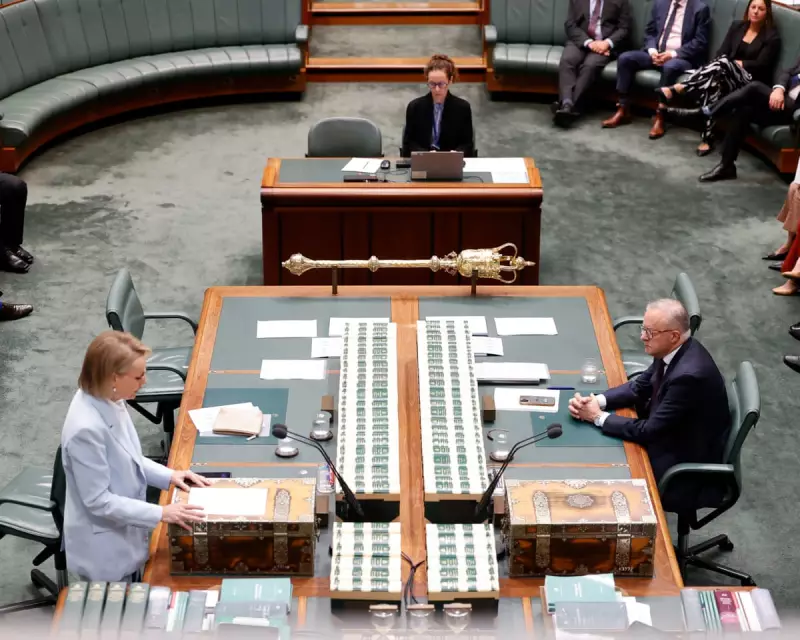
Prime Minister Anthony Albanese and Opposition Leader Sussan Ley have reached a critical agreement to pass new hate speech laws, as parliament reconvened in a special sitting to respond to the December Bondi beach terrorist attack.
A Unifying Response to Tragedy
The first parliamentary session of 2026 was dominated by a condolence motion for the victims of the 14 December massacre at Bondi beach, an atrocity which specifically targeted Jewish Australians. In a rare show of unity, both leaders used the occasion to call for immediate legislative action. Negotiations between Albanese and Ley were described by senior sources as "constructive", leading to a breakthrough after the Prime Minister agreed to split his original draft legislation.
The contentious anti-racial vilification provisions were shelved, allowing the opposition to engage with the remaining measures. Shadow Cabinet met on Sunday night and resolved to work with Labor to pass the amended bill on Tuesday. This move follows intense pressure from Jewish community leaders, who implored the Coalition to secure a deal.

Key Provisions of the New Laws
The revised bill focuses on granting authorities new powers to combat extremist organisations. It will enable the government to ban hate groups, such as neo-Nazi organisations and Hizb ut-Tahrir. Furthermore, it provides grounds to revoke or refuse visas for individuals with extremist views seeking to enter Australia.
In a parallel move, gun control measures have been carved into a separate bill, which is guaranteed to pass with support from the Greens. These firearms reforms represent the most significant action since the Port Arthur tragedy, establishing a major gun buy-back scheme. Critically, the laws will mandate that intelligence agencies like ASIO conduct criminal background checks on all firearms licence applicants.
Political Pressure and the Path Forward
The journey to this agreement was fraught. Opposition frontbencher Jonno Duniam labelled the government's initial handling of the legislation as "shambolic," while some Coalition backbenchers, like Andrew Hastie, urged further delay. However, Ley and frontbencher Julian Leeser met with families of the Bondi victims on Monday, underscoring the human cost of inaction.
Prime Minister Albanese issued an ultimatum, stating his government would not repeatedly reintroduce defeated laws. "We're not a government that puts things up over and over again to see them defeated," he told ABC Melbourne. He emphasised national unity, declaring that preventing a repeat of such an atrocity was a responsibility that "starts with me."
With a joint Coalition party room meeting pending to formalise its position, all signs point to the landmark hate speech laws passing parliament on Tuesday, marking a definitive legislative response to the Bondi beach terror attack.