Government's Election Delay Reversal Sparks 'Whiplash' Among English Councils
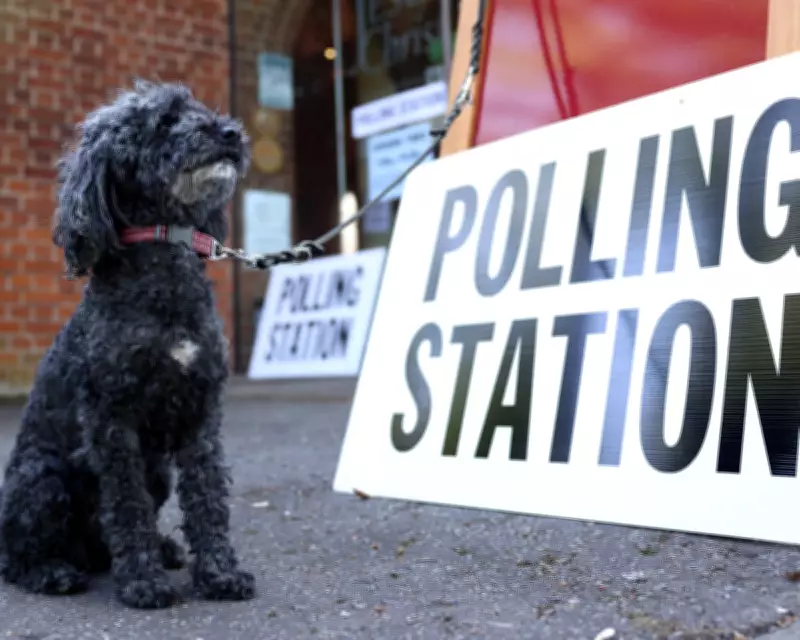
Local authority leaders across England have expressed severe frustration, describing a state of 'whiplash' and an 'unnecessary race against time' as the government abruptly abandoned plans to delay elections in 30 councils undergoing major reorganization. The decision, confirmed on Monday, leaves councils and political parties with just over 11 weeks to organize ballots ahead of polling day on 7 May, following a legal challenge from Reform UK that argued the postponement was undemocratic.
Surprise Announcement Leaves Councils Scrambling
Matthew Hicks, the Conservative leader of Suffolk County Council, highlighted the sudden nature of the reversal, noting that ministers had 'consistently expressed confidence' in their initial decision to postpone. 'Local councils across the country are experiencing whiplash as major government decisions shift repeatedly and without warning,' he stated. 'This uncertainty makes it almost impossible to plan effectively, deliver stability for residents, or provide clarity for our staff and partners.' Hicks further emphasized that the move casts a 'significant question mark' over broader local government reorganization plans, including debates in Suffolk over whether to adopt one unitary authority or three after the shake-up.
Criticism from Political and Local Government Figures
Florence Eshalomi, the Labour MP for Vauxhall and Camberwell Green and chair of the housing, communities and local government committee, condemned the situation, asserting that 'councils should not have been put in the position of choosing between frontline services or elections.' She argued that 'democracy is not an inefficiency that should be cut out during a local government reorganisation process,' and called for additional resources to support councils in organizing elections at short notice.

Jonathan Carr-West, chief executive of the Local Government Information Unit, was particularly scathing, accusing the government of having 'lost a fight it should never have picked' and 'playing fast and loose with the foundations of democracy.' He pointed out that 'there was no good reason to postpone these elections,' and criticized the government's 'capricious disregard for local democracy' after attempting to shift political risk onto councils and then backing down under legal pressure. Carr-West also warned that the tight timetable would 'needlessly' strain staff workloads and force parties to scramble for candidates they hadn't anticipated needing.
Impact on Local Democracy and Operational Challenges
Richard Wright, chair of the District Councils' Network, echoed these concerns, stating that councils and voters are 'bewildered by the unrelenting changes to the electoral timetable.' He placed responsibility squarely on the government, saying, 'It's the government, not councils that have acted in good faith, which should bear responsibility for this mess which impacts on people's faith in our cherished local democracy.' Wright added that affected councils now face a frantic rush to ensure elections proceed smoothly, with challenges such as booking polling stations and securing electoral staff, all while managing the 'biggest shake-up of councils in 50 years' without assurance of government understanding of the legal complexities involved.
Council Responses and Preparedness
Despite the uncertainty, several council leaders reported that they had continued planning for elections as a precaution. Kay Mason Billig, the Conservative leader of Norfolk County Council, bluntly remarked that the government had 'wasted everyone's time,' noting, 'I note the government's change of mind on yet another decision it couldn't stick to. We had already budgeted for and were planning for elections, so we can now proceed.' Similarly, Shabina Qayyum, the Labour leader of Peterborough City Council, explained, 'We put forward our view at the request of the secretary of state, with the knowledge that their decision may not go ahead, and therefore preparations for the elections have continued.'

This episode underscores ongoing tensions between local authorities and central government, highlighting the logistical and democratic challenges posed by last-minute policy reversals in the context of electoral processes and broader local government reforms.