European Union leaders are poised for a decisive summit this Thursday, confronting a high-stakes plan to leverage frozen Russian central bank assets for a massive loan to support Ukraine. The controversial proposal, which has sparked warnings of "theft" from Moscow and deep concerns in Brussels, could be a defining moment for the bloc's unity and geopolitical stance.
The Core of the Controversial Plan
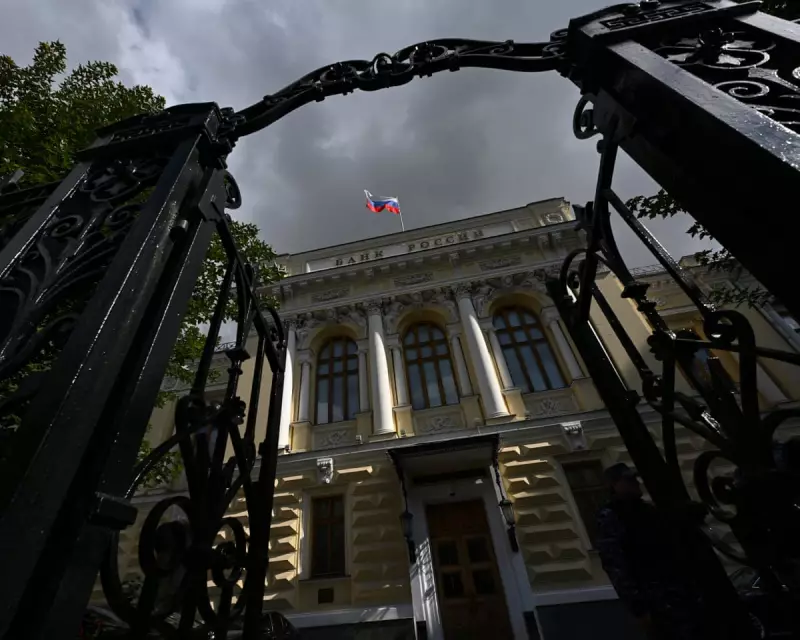
At the heart of the debate is a complex financial mechanism. The EU has immobilised approximately €210 billion in Russian sovereign assets, with the vast majority held by the Brussels-based securities depository, Euroclear. The plan under discussion involves the EU borrowing from these frozen funds to provide Ukraine with an initial loan of €90 billion.
This sum is estimated to cover about two-thirds of Kyiv's critical funding requirements for the years 2026 and 2027. The EU anticipates that Ukraine's other international allies will contribute the remaining third. Crucially, the legal ownership of the assets would remain with Russia throughout the process.

The loan's repayment terms are directly tied to the war's conclusion. Kyiv would only be obligated to repay the money to the EU if and when Russia agrees to pay reparations for the colossal damage inflicted during its invasion. The EU would then repay Euroclear, completing the cycle.
Mounting Pressure and Shifting Calculus
The push to utilise the principal assets, rather than just the interest as agreed in 2024, has gained urgency due to a confluence of factors. Ukraine's financial situation is increasingly dire, with the European Commission estimating it needs €136 billion over the next two years to fund its defence and maintain basic state functions. Without new funds by spring, the nation risks bankruptcy.
Simultaneously, the geopolitical landscape has shifted. The halt of new US military aid under President Donald Trump has left a significant gap. European nations, facing their own economic pressures, have been unable to fully compensate, according to Germany's Kiel Institute. Furthermore, Trump's suggestions that US companies could profit from the frozen assets have galvanised European leaders to secure them for Ukraine's benefit.
A key turning point came in October when Germany's Chancellor, Friedrich Merz, threw his decisive support behind the loan plan. While sharing concerns about eurozone stability, Berlin now views Russia's imperial ambitions as the greater economic threat.
Opposition, Legal Threats, and the Search for Alternatives
The proposal faces significant hurdles. Russia's President Vladimir Putin has condemned it as tantamount to "theft," and the Kremlin has issued stark warnings about undermining confidence in the euro. In retaliation, Moscow has prepared decrees to seize Western assets in Russia and has launched a $230 billion damages claim against Euroclear, which is already battling over 100 legal cases in Russian courts.
Belgium, where Euroclear is based and most assets are held, is a vocal opponent. The Belgian government labels the plan "fundamentally wrong," fearing it would be seen as confiscation and leave the country exposed to massive liabilities if Russian lawsuits succeed. Belgium demands cast-iron guarantees from other EU states covering 100% of any claims and insists other nations holding frozen Russian assets, like the UK, US, and Switzerland, must follow suit.
An alternative exists: using unallocated EU budget funds as collateral for a Ukraine loan. Belgium, backed by Italy, Bulgaria, and Malta, argues this is a legally safer path. However, this method requires unanimous approval, and Hungary's government has signalled it would veto such a move. The frozen-assets plan, in contrast, only needs a qualified majority, though officials are reluctant to overrule Belgium.

Chancellor Merz has framed the summit's outcome in existential terms, warning that failure to agree would "severely damage" the EU's ability to act for years and demonstrate an inability to stand together at a crucial historical juncture. An agreement would bring relief but not an end to difficulties, as the plan would still require swift translation into law to meet Ukraine's urgent needs by spring. The larger questions of Ukraine's eventual reconstruction, estimated at over $500 billion, and a lasting peace, remain unresolved.