FBI's Georgia Election Office Raid Originated from Debunked Claims
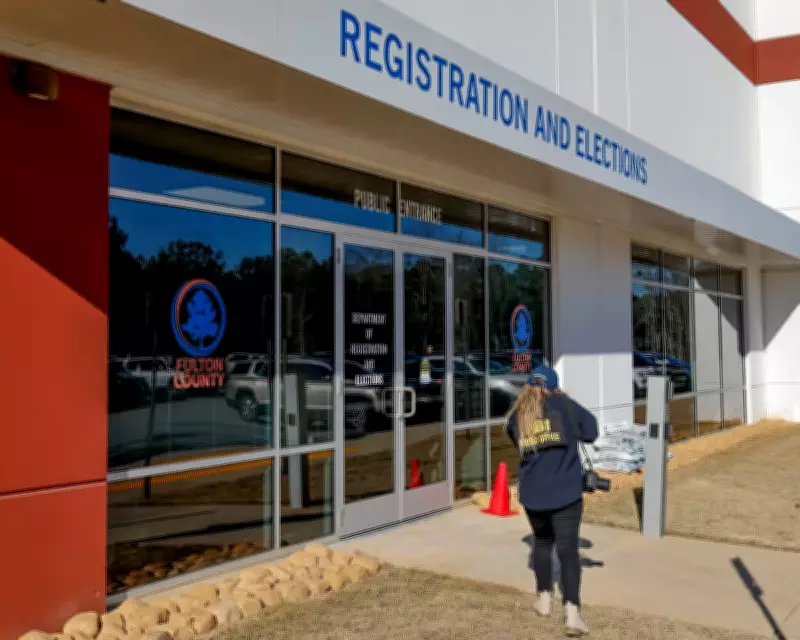
When federal agents conducted an unprecedented raid on the Fulton County election office in Georgia last month, their investigation was fundamentally shaped by disproven allegations from election conspiracy theorists. This revelation emerges from a search warrant affidavit made public on Tuesday, shedding new light on the controversial operation that has heightened concerns about political interference in America's democratic processes.
White House Lawyer's Role in Triggering Investigation
The Federal Bureau of Investigation's probe "originated" from a referral submitted by Kurt Olsen, an attorney who actively sought to overturn the 2020 presidential election results. Olsen, who joined the White House legal team last year to investigate alleged election fraud, contacted justice department officials urging them to petition the US Supreme Court to nullify the election outcome. His involvement represents a direct connection between the current administration and the investigation that led to the dramatic raid.
Questionable Witnesses and Disproven Allegations
The FBI's investigation relied heavily on testimony from conservative activists who have persistently pursued state officials with unsubstantiated claims about electoral misconduct in Fulton County. Many of these allegations have been thoroughly investigated by state authorities and conclusively debunked, yet they formed the basis for the federal operation. Additional witnesses included two Trump-aligned members of the Georgia state election board whom the former president publicly praised as "pitbulls" during a 2024 campaign rally.

These board members, Janice Johnston and Janelle King, have maintained close ties to Trump's political apparatus. King's husband, Kelvin King, is currently campaigning to become Georgia's next secretary of state, creating potential conflicts of interest within the state's electoral oversight mechanisms.
Heightened Concerns About Election Interference
The extraordinary nature of the FBI raid has amplified existing worries that Donald Trump may attempt to influence this year's midterm elections. These concerns intensified when it was revealed that Tulsi Gabbard, the Director of National Intelligence, was personally present during the Fulton County operation. Gabbard is reportedly conducting her own separate investigation parallel to the justice department's inquiry, raising questions about coordination and oversight within the federal government.
Trump lost Georgia in the 2020 presidential election by nearly 12,000 votes, a result that underwent multiple confirmations through recounts and audits. Despite this verification, allegations of electoral wrongdoing have remained central to efforts perpetuating the baseless narrative that the 2020 election was stolen.
Broader Implications for Democratic Institutions
This development occurs against a backdrop of increasing political polarization and challenges to electoral integrity mechanisms across the United States. The use of disproven claims to justify federal law enforcement actions against election offices represents a significant escalation in the politicization of America's democratic institutions. As the midterm elections approach, this incident underscores the fragile state of public confidence in electoral processes and the institutions designed to protect them.
The affidavit's revelations have sparked renewed debate about the appropriate boundaries between political agendas and law enforcement operations, particularly when those operations target the very infrastructure responsible for administering free and fair elections. Legal experts and democracy advocates are closely monitoring how this situation develops, recognizing its potential implications for future electoral cycles and the broader health of American democracy.