Government Faces Mounting Pressure as Fuel Crisis Intensifies Across Australia
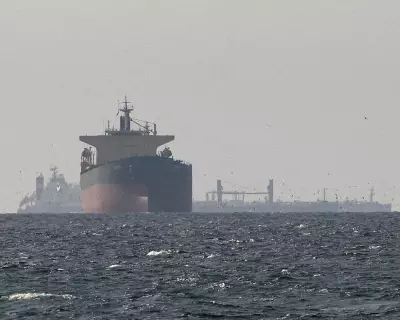
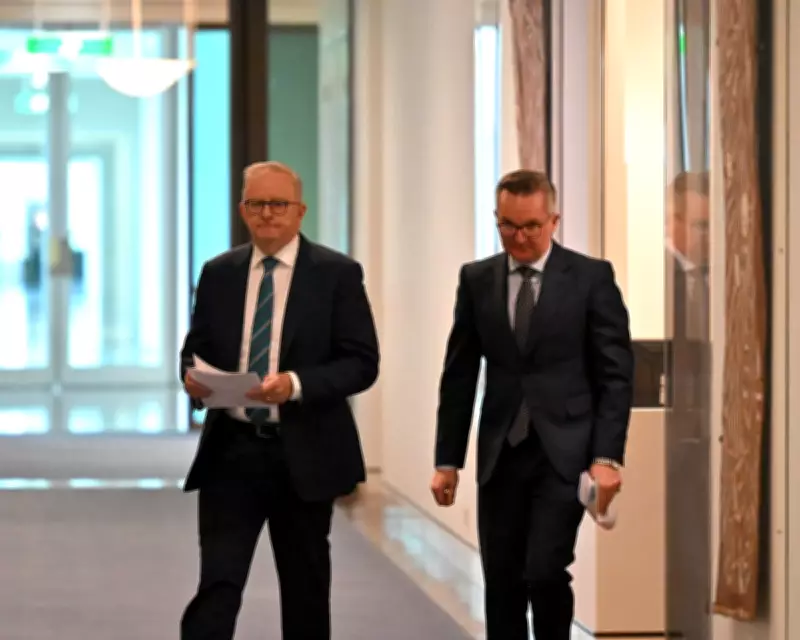
The Australian government finds itself in a precarious position as the nation's fuel crisis continues to escalate, with multiple sectors demanding immediate assistance and political pressure mounting from all sides. After facing criticism for what some described as a slow initial response, the Albanese administration is now actively seeking to demonstrate decisive action while navigating complex economic and political realities.
Budget Constraints Collide with Growing Demands
With the federal budget approaching on May 12th, Treasurer Jim Chalmers faces unprecedented demands on government spending. Environment Minister Murray Watt has acknowledged the volatile situation, suggesting that budget decisions might be delayed due to the rapidly changing circumstances. The government must balance calls for emergency support from businesses, farmers, and vulnerable Australians against concerns about inflation and interest rates.
Various industries are clamoring for assistance, with farmers particularly concerned about diesel and fertilizer supplies, while business groups seek cashflow support to weather the storm. The complexity of the situation is compounded by the logistical nature of the fuel problem, which requires solutions beyond traditional legislative approaches.

Political Calculations and Policy Options
Prime Minister Anthony Albanese has strategically left open the possibility of cutting the fuel excise, despite Treasurer Chalmers previously indicating the government wasn't considering such a move. This potential reduction of the 52.6-cent-per-liter surcharge represents a significant political calculation, with the government weighing the $1.5 billion cost against potential public relations benefits.
However, economists have raised concerns about such measures, noting they would be poorly targeted and might primarily benefit wealthier Australians. There are also fears that cheaper petrol could increase demand and exacerbate inflationary pressures. Meanwhile, momentum is building within Labor ranks for a windfall tax on gas profits, which could help offset some of the emergency spending that may become necessary.
Coordinated Response and State-Level Initiatives
The government is emphasizing coordination between federal and state authorities, with Albanese drawing parallels between the current crisis and lessons learned during the COVID-19 pandemic. While Victoria and Tasmania have already announced free public transport initiatives, the federal government sees its role as ensuring consistent approaches across jurisdictions rather than implementing a single national plan.
National cabinet discussions are focusing on establishing clear priorities for fuel distribution, with various industries lobbying to be classified as essential services. The government is also considering implementing a national dashboard to track fuel outages, though federal sources note that states already maintain their own monitoring systems.
Broader Policy Context and Future Challenges
Beyond the immediate fuel crisis, the government faces additional policy challenges that intersect with the current situation. Communications Minister Anika Wells is expected to provide updates on social media restrictions for users under 16, with concerns growing about tech companies' compliance with age verification requirements.
The government's approach to the fuel crisis reflects broader tensions in Australian politics, where calls for increased spending to address immediate needs conflict with concerns about fiscal responsibility and inflation. As the situation continues to evolve, the Albanese government must navigate these competing pressures while maintaining public confidence and addressing the practical realities of fuel supply and distribution across the nation.