Georgia Abortion Case Sparks Outrage Amid US Child Deaths in Middle East
In a stark contrast to its pro-life domestic stance, the United States faces scrutiny as a Georgia woman is charged with murder for allegedly terminating a pregnancy, while US-backed military actions continue to result in child casualties abroad. This case underscores the deepening divide in reproductive rights and foreign policy under the current administration.
Domestic Crackdown on Abortion Rights
Alexia Moore, a 31-year-old woman in Georgia, has been charged with murder after reportedly taking pills to induce an abortion. If prosecutors proceed, this will mark one of the first such cases in Georgia since a 2019 law banned most abortions after approximately six weeks of pregnancy. According to court records, Moore went to a hospital in December with severe pain, disclosing she had taken oxycodone and misoprostol, a medication used in abortion procedures. She gave birth to a premature fetus with health issues that died within hours, leading to her arrest last week without bond.
Details remain unclear, including the exact gestational age, with reports varying from 14 to 24 weeks. However, this case is part of a broader trend: since the overturning of Roe v. Wade in 2022, prosecutors have initiated at least 412 cases charging pregnant individuals with pregnancy-related crimes, as reported by the reproductive justice group Pregnancy Justice. States like Texas, South Carolina, and Kentucky have also seen similar criminal charges, reflecting a nationwide effort to restrict abortion access.

Hypocrisy in US Foreign Policy
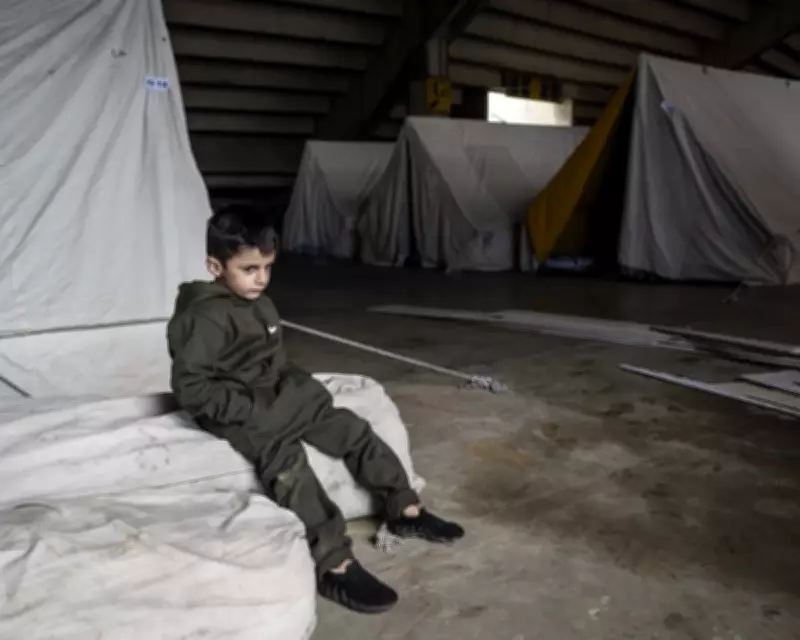
While domestic policies criminalize abortion, the US has been implicated in the deaths of children overseas. Unicef reports that over 1,800 children in the Middle East have been killed or injured since the US and Israel engaged in conflict with Iran starting on 28 February. In Lebanon, US-backed Israeli actions result in a classroom's worth of children being killed or wounded daily, according to Unicef's deputy executive director. This follows the deaths of more than 20,000 children in Gaza over two years, funded by US taxpayer dollars.
Former President Donald Trump's dismissive response to bombing an elementary school in Iran—"I'm willing to live with that report"—highlights a troubling indifference. Critics argue that this contrasts sharply with the pro-life rhetoric espoused by many politicians, who prioritize unborn lives while overlooking the deaths of children in conflict zones.
Broader Implications for Reproductive Rights
The Georgia case illustrates the challenges women face in states with restrictive abortion laws. Medical professionals note that dating pregnancy from the last menstrual period means a six-week pregnancy equates to an embryo only about four weeks old, leaving many women unaware they are pregnant. So-called heartbeat bills rely on sporadic electric impulses rather than a developed heart, further complicating the debate.
Making abortion illegal does not reduce its occurrence; instead, it forces privileged women to seek care abroad and desperate women to risk unsafe procedures. Georgia's law, which bans abortion after cardiac activity is detected, typically around six weeks, leaves little time for safe, legal options. Republican-led states are also attempting to restrict travel for abortions, exacerbating the crisis.
Political Context and Voter Rights
Amid these developments, Senate Republicans are pushing the Safeguard American Voter Eligibility Act, which could disenfranchise married women by imposing new paperwork requirements for voting. Republican senator Rick Scott dismissed concerns, stating, "I'm married to a married woman... They can figure this out." This legislation, endorsed by Trump, adds to the ongoing assault on freedoms, both reproductive and democratic.
Conclusion: A Call for Consistency
The juxtaposition of criminalizing abortion domestically while supporting actions that kill children abroad reveals a profound hypocrisy. As the US grapples with these issues, the need for consistent policies that protect all lives, both at home and internationally, becomes increasingly urgent. The land of the free must address its contradictions to truly uphold its values.