Newly released figures have exposed a significant shift in the UK government's communications strategy, revealing that more than one million pounds has been spent on hiring social media influencers since the start of 2024. The data, obtained through a Freedom of Information request, highlights a concerted effort to reach younger audiences on platforms like TikTok and Instagram, often bypassing traditional media channels.
Departments and Spending: A Breakdown
The campaign to engage with digital creators has accelerated rapidly. In total, 215 influencers have been hired since 2024, with the number jumping from 89 in 2024 to 126 in 2025 alone. The Department for Education emerged as the biggest spender, allocating a substantial £350,000 and using 53 influencers this year, compared to 26 the previous year.
Other major Whitehall departments investing heavily include the Home Office, Ministry of Justice, Ministry of Defence, and the Department for Work and Pensions (DWP). The DWP, which spent nothing on influencers in 2024, has paid out £120,023 to eight content creators in 2025 for campaigns aimed at informing vulnerable households about available support.

The New Media Landscape and Scrutiny Concerns
This pivot towards influencer marketing coincides with a major overhaul of the traditional Downing Street press lobby system. Plans announced by communications chief Tim Allan will see daily lobby briefings halved, with the afternoon session scrapped entirely. In its place, the government will sometimes host press conferences open to specialist journalists and social media creators.
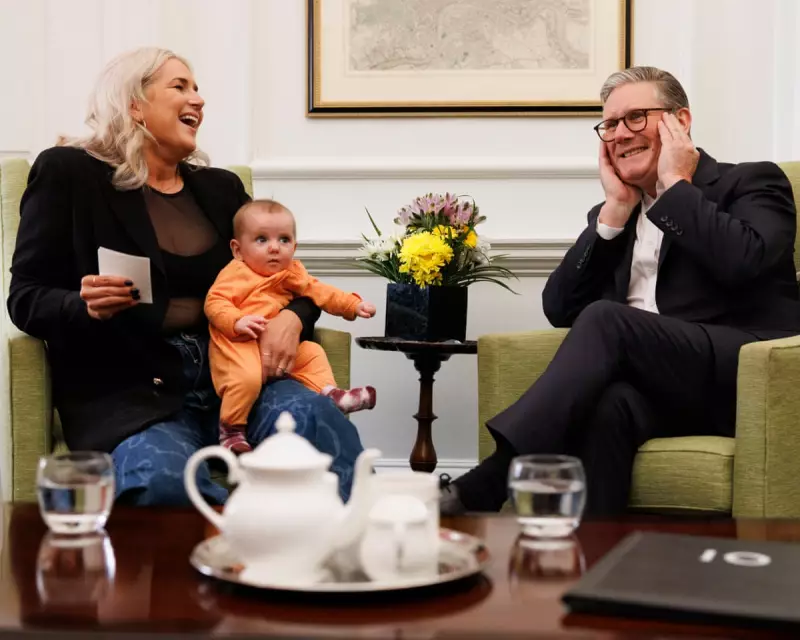
Critics, including the lobby journalists' organisation, argue this move restricts scrutiny and allows ministers to avoid tough questions on complex policies. Instead, they are increasingly turning to personalities popular with younger demographics. Notable examples include scientist Simon Clark broadcasting a FaceTime call with Prime Minister Keir Starmer during the Cop30 summit, and campaigner Anna Whitehouse (Mother Pukka) interviewing Education Secretary Bridget Phillipson about childcare.
Influencer Ecosystem: Smart Strategy or Soft Option?
The figures were compiled by the PR agency Tangerine, which suggested the government is scrambling for the attention of "young and apathetic voters." Sam Fisk, an associate director at the agency, noted the public's craving for authentic voices over political soundbites, calling the shift "smart" given falling TV viewership, but warned of the challenge in creating content that genuinely cuts through.
From Downing Street's perspective, the influencer ecosystem is a vital tool to engage audiences who no longer consume traditional news. Prime Minister Starmer has personally entered this space, launching a TikTok account—earning moderate praise for "borderline competent" videos—and joining the newsletter platform Substack to communicate directly with the public.
However, the strategy remains contentious. While departments like the Ministry of Justice have used influencers to support recruitment for prison officers and magistrates, the reliance on paid promoters raises questions about transparency and the depth of policy discussion, with critics warning of "softball" interviews that lack technical rigour.