In the turbulent landscape of American journalism, a stark contrast has emerged between outlets buckling under external pressures and those maintaining fierce editorial independence.
The Dual Pressures on US Media
Major US news organisations have faced a perfect storm of challenges since 2024, navigating between the demands of powerful owners and the retaliatory tactics of the Trump administration. On one front, a wave of consolidation has placed influential outlets in the hands of billionaire proprietors. The Murdoch family's dynamics at Fox News, Jeff Bezos's influence at the Washington Post, and the Soon-Shiong family's role at the Los Angeles Times are cited as key examples.
Furthermore, the Trump-aligned Ellison family's takeover of Paramount and CBS, alongside hostile bids for CNN owner Warner Bros, marked a significant shift in media ownership. This influence often redirects newsroom priorities and opinion sections towards the pet projects and political preferences of their wealthy owners.
Administration Retaliation and Legal Threats
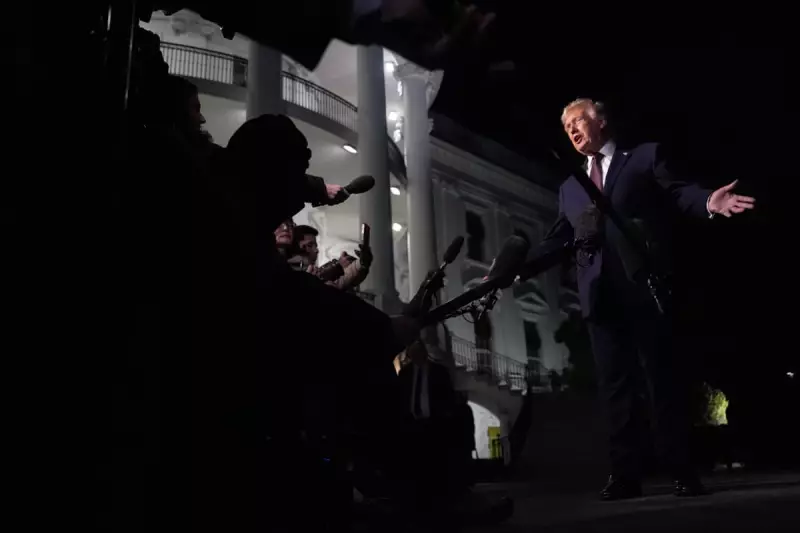
Simultaneously, media groups have confronted direct pressure from the Trump administration. Donald Trump has personally employed a strategy of frivolous defamation lawsuits and weaponised regulatory agencies to punish critical coverage. Notable instances include a vast settlement extracted from CBS over an edit to a Kamala Harris interview on 60 Minutes, a lawsuit against the New York Times, and threats from his FCC chair to withdraw ABC's broadcast licence over a comedian's on-air comments.
Caught between these forces, some prominent outlets have noticeably softened their coverage. Fearful of costly lawsuits and unwilling to challenge the prevailing political narrative or displease owners, the quality and courage of their output have suffered. The result, as observed, is a palpable decline in journalistic rigour as the cost of producing fearless work escalates.
A Sanctuary of Reader-Funded Independence
Amid this climate, Guardian US columnist Moira Donegan has expressed profound relief at working for a publication with a different model. The Guardian's reader-funded structure, she notes, insulates it from the pressures faced by its peers. The publication has never asked her to 'pull a punch' in her opinion column or to flatter powerful figures for protection.
This independence stems from the absence of a billionaire owner whose ego or business interests must be served. Instead, the organisation answers directly to its readers, whose financial contributions fund investigations and sustain its newsrooms. This model, Donegan argues, preserves the core journalistic mandate to serve the public and speak truth to power, a principle she sees as compromised elsewhere.
As the American media continues to flounder, grappling with uncertain profit models and the perils of the Trump era, spaces for unflinching progressive commentary are shrinking. The Guardian's approach, funded by its global readership, stands as a notable exception in defending a truly free press.