The Indelible Legacy of Pakistan's Most Famous Son
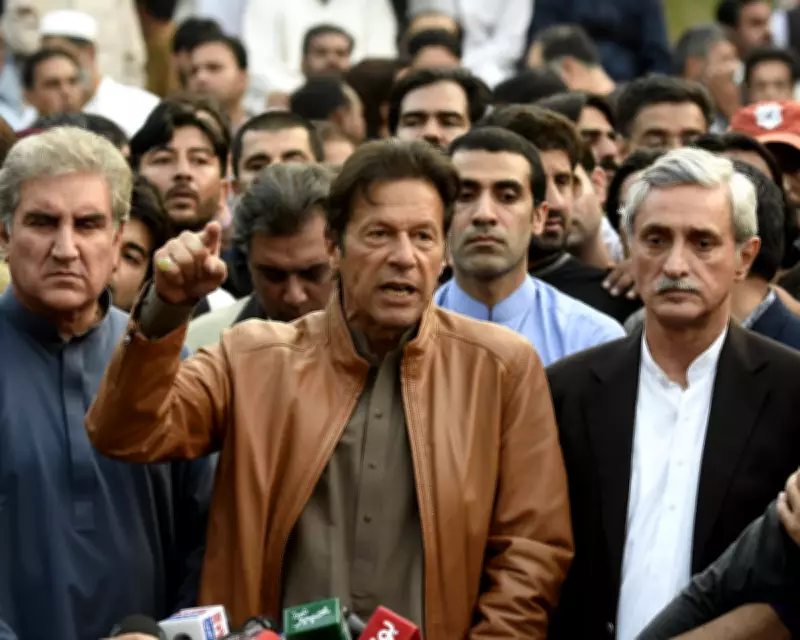
Imran Khan's story represents one of modern politics' most remarkable paradoxes: how a nation's most celebrated figure can be simultaneously imprisoned and omnipresent. Since his removal as prime minister in 2022 and subsequent incarceration in August 2023, Pakistan's establishment has launched an unprecedented campaign to erase him from public consciousness. Yet his fame, built over five decades across multiple spheres, has proven remarkably resistant to deletion.
A Fame That Transcends Erasure Attempts
The facts speak for themselves. No Pakistani in the nation's 79-year history has achieved the universal recognition of Imran Khan. From cricket legend to beloved philanthropist who built a cancer hospital for the poor, from maverick politician to the sole occupant of a cell in Pakistan's most notorious jail, his journey has been extraordinary. Even as the state bars television channels from speaking his name and newspapers from publishing his image, his presence remains inescapable.
Consider the scope: he has been the subject of at least ten English-language books. During his sporting peak, his face sold magazines across the subcontinent. He fronted advertising campaigns for major brands in both Pakistan and India—an unprecedented achievement for a Pakistani figure. The BBC archives alone contain ninety hours of footage featuring him, equivalent to watching continuously from Monday morning until early Friday.

The Digital Resistance Movement
In November 2023, when Imran Khan disappeared from public view for nearly a month, speculation about his death spread rapidly across social media. The hashtag #WhereisImranKhan? trended globally, demonstrating how attempts to silence him only amplified his presence. This pattern has repeated throughout his incarceration.
The state's media blackout has been comprehensive. Television anchors have been instructed not to mention his name, referring to him instead as "Bani PTI"—the PTI leader. Newspapers received clear directives: no photographs, no headlines containing his name. Even the Pakistan Cricket Board attempted to edit him out of footage celebrating the 1992 World Cup victory he captained, though public backlash forced restoration.
Yet these efforts have proven increasingly futile in the digital age. The PTI's digital team, anticipating his arrest, had prepared years of content. AI-generated speeches and carefully curated old clips have kept him politically relevant. His TikTok account, created weeks before his arrest, has amassed hundreds of millions of views. On X (formerly Twitter), he managed to post 413 times during his incarceration, dictating messages through family and lawyers.
The Prisoner Number That Became a Symbol
Assigned prisoner number 804, this designation has transformed into a cultural phenomenon. The number appears on car registration plates, in songs by popular artists like Malkoo, as graffiti across cities, and even on specialty footwear in Peshawar. Restaurants in Leicester and Jeddah bear the name "804," while a Birmingham takeaway offers an "804 biryani." During cricket matches at Lahore's Gaddafi Stadium, crowds chant: "Tera yaar, mera yaar, Qaidi No 804!" ("Your friend, my friend, prisoner No 804").
This grassroots adoption demonstrates how attempts to erase Imran Khan have instead created new forms of symbolic resistance. The very marker of his captivity has become a vehicle for his continued presence in public life.
The Physical and Political Reality
Despite the digital proliferation, the physical reality remains stark. Imran Khan occupies a 6ft by 8ft cell in Adiala jail, Rawalpindi, serving consecutive sentences totaling 31 years for corruption convictions. His access to visitors has been severely restricted, with periods when even family members were denied meetings. The government claims he used these visits for political communication, noting he met his sisters 137 times in approximately 112 weeks.

Those who have visited consistently remark on his physical condition. Now 73, he maintains a rigorous exercise routine with weights and an exercise bike provided by his lawyers. This focus on physicality has always been part of his public persona, from his days as a fast bowler to his recovery from a 2013 stage fall and a 2022 assassination attempt where he insisted on walking despite being shot in the leg.
The Political Calculus
The establishment's campaign against Imran Khan follows a familiar pattern in Pakistani politics. Previous leaders have faced imprisonment, media bans, and archival erasure. What makes this case different is the scale of his pre-existing fame and the digital tools available to his supporters.
Private polling consistently shows his approval ratings in the early 60s, 10-15 points ahead of any rival. Even after the 2024 elections where PTI candidates (forced to run as independents) won the most seats despite his imprisonment and media blackout, analysts believe he would win a fair contest today.
The Future Beyond Imran
The PTI faces an existential challenge: the party is essentially Imran Khan. Built around his persona and anti-corruption message, it lacks an obvious successor. His sons are not considered options given his principled opposition to dynastic politics. In his absence, internal divisions have emerged, with older members quitting and factions developing.
This reality highlights the central paradox: while the establishment cannot erase Imran Khan from public consciousness, his physical removal from politics may achieve their objectives through time. At 73, despite his fitness, the natural passage of time becomes a factor. The military establishment appears to have calculated that while they cannot eliminate his digital presence, they can wait out his physical one.
Yet the resilience of his fame suggests a more complex outcome. As one former minister noted: "Imran was 6ft-plus tall when he was prime minister. Pushing him out doubled that. Putting him in jail made him 18ft." The attempt to erase Pakistan's most famous figure may ultimately have made him larger than life, creating a legacy that will endure regardless of his physical presence.