JD Vance Questions Papal Authority in Theological Remarks
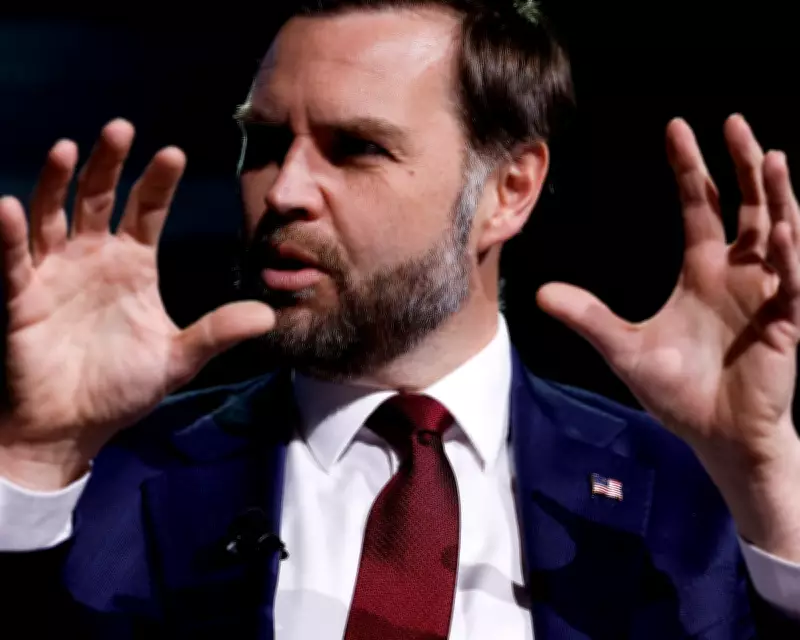
US Vice President JD Vance has ignited a significant religious controversy by publicly criticizing Pope Leo XIV's theological statements during a recent MAGA-faithful conference. Speaking to supporters, Vance declared, "I think it's very, very important for the pope to be careful when he talks about matters of theology." This unprecedented challenge to papal authority from a high-ranking American official has raised serious questions about the relationship between the Trump administration and the Vatican.
Vance's Religious Positioning and Historical Context
The vice president's comments come as he prepares to publish a book about his personal journey to Catholicism through HarperCollins in June. Vance's approach to religious matters has drawn comparisons to historical figures who challenged Vatican authority, including Martin Luther's 95 Theses and more contemporary examples like actor Mel Gibson's break with mainstream Catholicism. Gibson famously established a private church compound in Malibu with substantial assets but limited congregation, creating what observers have called an "eye-of-the-needle ratio" of wealth to followers.
This theological confrontation occurs against the backdrop of President Donald Trump's own religious positioning, which includes posting AI-generated images of himself as Jesus on social media. The president's religious background as a traditional Protestant with limited church attendance has led some former supporters to question his spiritual authenticity. One disillusioned believer told media outlets, "My understanding is that Trump was raised as a traditional Protestant, but he's not a regular churchgoer. I get the impression that his understanding of the Bible is very limited."

Broader Implications for American Catholicism
The current tensions echo historical religious schisms, particularly the English Reformation under King Henry VIII, who similarly challenged papal authority for personal and political reasons. Observers note striking parallels between that historical moment and today's political climate, with a leader described as having sociopathic tendencies and kleptocratic impulses reshaping religious policy for personal benefit.
Within Trump's inner circle, religious expression takes various forms that some find concerning. Defense Secretary displays Crusades tattoos while quoting biblical passages that sometimes originate from popular films rather than scripture. This environment has created what some commentators describe as "testing times for MAGA Catholics" who must reconcile their faith with political loyalties.
The situation raises fundamental questions about the potential for an American break with Rome, particularly as administration figures continue to challenge traditional religious authorities. Vance's theological interventions, combined with Trump's unconventional religious expressions, suggest a significant shift in how American political leaders engage with established religious institutions.
As the controversy develops, observers wonder whether this represents a temporary political conflict or the beginning of a more substantial religious realignment. The vice president's willingness to publicly question papal authority marks a dramatic departure from traditional diplomatic relations between the United States and the Vatican, potentially signaling broader changes in how religion intersects with American political power.