Kanye West's Wireless Festival Ban Ignites Free Speech and State Intervention Debate
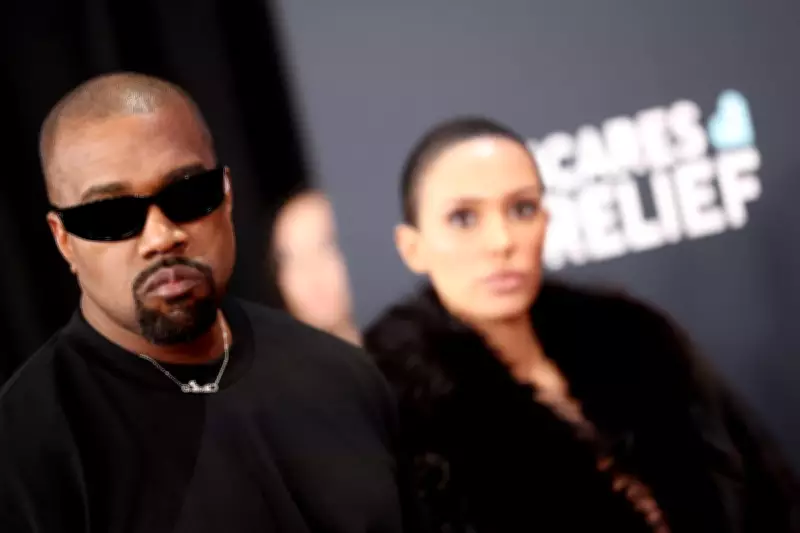
The Home Office's recent decision to rescind permission for Kanye West, now known as Ye, to headline London's Wireless festival has sparked a fierce controversy in Britain. This move, while understandable given Ye's history of antisemitic remarks and offensive behavior, raises profound questions about the balance between free speech and state intervention in private enterprise.
Ye's Deplorable Actions and Public Backlash
Kanye West has undeniably become one of the world's most reviled public figures. His actions range from antisemitic outbursts to praising Adolf Hitler, including releasing the track 'Heil Hitler' and selling swastika-emblazoned t-shirts. These behaviors are not just offensive; they contribute to a dangerous atmosphere, especially amid a spike in antisemitic hatred in the UK following the 7 October massacre. The Jewish community's disgust at his scheduled performance was palpable, making the Home Office's ban a response to genuine safety concerns.
Political Reactions and Public Opinion
Shadow Home Secretary Chris Philp celebrated the ban, arguing that Ye's performance would send 'the wrong message' and that those espousing hatred shouldn't be allowed in. This stance aligns with public opinion, as YouGov polling shows 57% of Britons support the ban. However, this position seems incongruent with Philp's past advocacy for free speech, where he decried non-crime hate incidents as threats, stating that 'saying something offensive is not illegal.' This inconsistency highlights the tension between principle and pragmatism in such emotive cases.

The Role of Private Enterprise and Creative Destruction
Festival organizer Melvin Benn, while condemning Ye's bigotry, defended the decision to platform him, citing Ye's status as a cultural icon with millions of fans and his apology for past actions, attributed to bipolar disorder. Benn's perspective underscores a key principle: businesses must be allowed to take risks. If platforming Ye is deemed a worthwhile risk for business and share price, that decision should rest with the enterprise, not the government. This process of creative destruction is fundamental to a free market, allowing businesses to rise and fall based on their choices.
Balancing Condemnation with Principles
It is entirely possible to condemn Ye's behavior vehemently while also standing up for free speech and private sector freedom. The Conservative Party has rightly criticized Labour's interventions in business affairs, yet this case blurs those lines. The ban may have been driven by safety concerns, but it sets a precedent for state overreach that could undermine democratic principles. As we navigate highly charged news stories, it is vital to uphold the freedoms that underpin our prosperity and democracy.
Ultimately, whether the ban was right or wrong remains debatable, but it serves as a crucial reminder of the need to protect both public safety and the liberties that define our society.