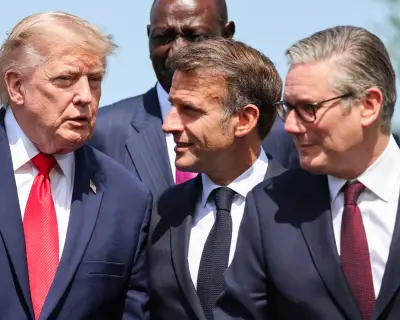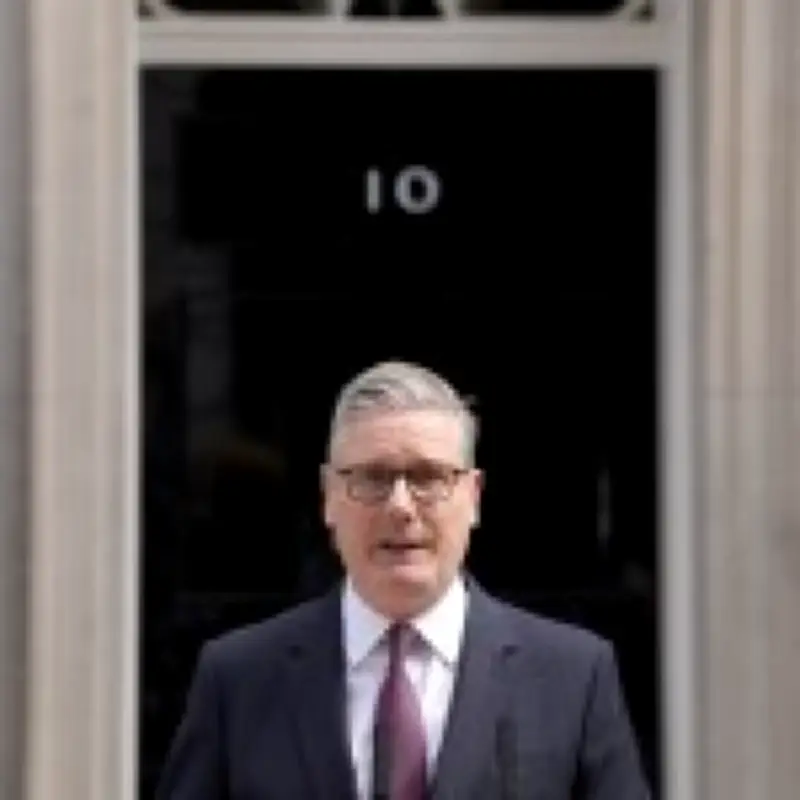
Keir Starmer has announced his resignation as Prime Minister, less than two years after leading Labour to a historic landslide victory. In an emotional speech on the steps of Downing Street, he confirmed he will also step down as leader of the Labour Party, triggering a leadership contest expected to conclude before Parliament returns in September.
Resignation announcement and emotional farewell
Speaking from the Downing Street lectern, a visibly tearful Sir Keir acknowledged that his party no longer believed he was the best person to lead them into the next general election. 'I have heard the answer of my parliamentary party to that question. I accept that answer with good grace,' he said. He confirmed that Labour's governing body will set out a timetable to replace him, beginning July 9, with a new leader in place before Parliament resumes in September.
His voice wavered as he paid tribute to his wife, Vic, and their children, saying he will now focus on 'being the best husband I can' and 'the best dad that I can be.'

Downfall after a series of missteps
Starmer's resignation marks the culmination of a premiership marred by unpopular decisions and scandals. Shortly after taking office, Chancellor Rachel Reeves announced the scrapping of winter fuel payments for pensioners not on benefits—a decision widely blamed for a collapse in public support. A U-turn nearly 10 months later failed to restore confidence. The government was also criticised for a string of 13 U-turns, including Reeves' decision to raise National Insurance on employers, despite Labour's manifesto pledging not to increase three specific taxes.
Starmer faced sleaze scandals that undermined his promise to return politics to 'public service.' It emerged he had received over £100,000 in gifts, including football tickets, and failed to declare high-end clothes bought for his wife by a Labour donor. The most damaging scandal involved his appointment of Peter Mandelson as US Ambassador, despite Mandelson's ties to convicted paedophile Jeffrey Epstein. Although Mandelson was removed, continued revelations about the appointment process kept the crisis alive.
Local election drubbing and loss of party support
Labour's severe losses in local elections in May, where the party lost 1,400 council seats, proved to be the final straw for many Labour MPs. They have since rallied around Andy Burnham, who returned to Parliament after trouncing Reform in the Makerfield by-election last week. Burnham is now the overwhelming favourite to succeed Starmer, with reports suggesting his team aims to secure the backing of up to 200 MPs—half the parliamentary Labour Party.
However, some senior figures, including former Health Secretary Wes Streeting, have called for a 'battle of ideas' rather than a coronation. Streeting resigned from his post after last month's elections and wants a public contest to test candidates.
Achievements amid the turmoil
Despite his short tenure, Starmer secured several long-term reforms. These include boosting rights for private and social renters in England, nationalising rail services across the UK, and introducing a lifetime ban on cigarette sales for anyone born after 2008. He also oversaw age verification for adult material online through the Online Safety Act and announced a ban on social media for under-16s last week. Starmer won praise for his handling of relations with US President Donald Trump and his continued support for Ukraine against Russia.
The leadership contest is expected to begin on July 9, with a new prime minister in place by September. Burnham remains the favourite, but the coming weeks will determine whether he faces a serious challenge.