Westminster's festive season is awash with more than just mulled wine this year, as intense speculation about the future of the Labour leadership dominates conversations among MPs and advisers. Despite Prime Minister Keir Starmer showing no intention of stepping down, the political rumour mill is in overdrive, wargaming hypothetical challenges and potential successors.
The Prime Minister Digs In
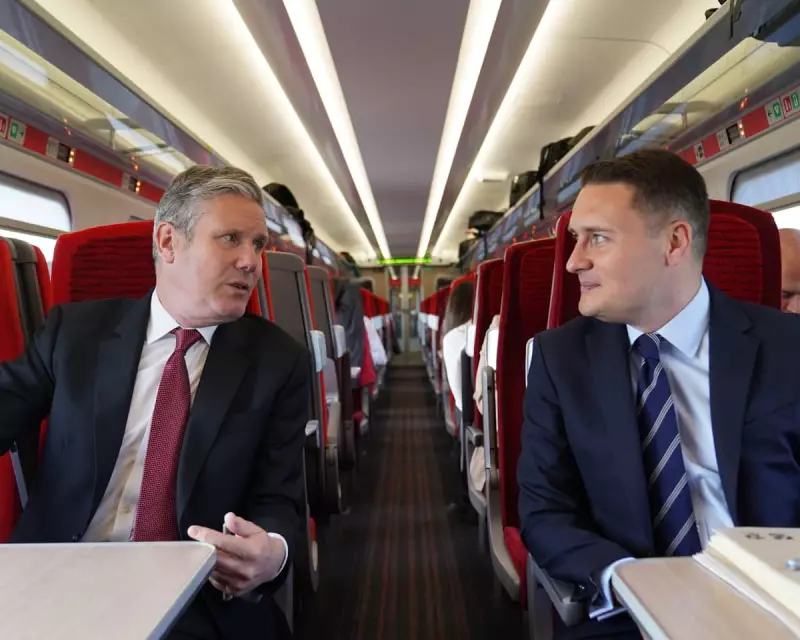
The message from Keir Starmer's allies is clear: he plans to stay and fight. This resolve was underscored by recent, somewhat clumsy, briefings targeting Health Secretary Wes Streeting, which were interpreted less as an attack on him and more as a warning to any would-be challengers. A cabinet minister drew a stark contrast with the past, noting, "This is not like Hartlepool," a reference to the 2021 byelection crisis that nearly ended Starmer's leadership. The minister emphasised that while Starmer found opposition difficult, he is determined to remain as Prime Minister.
Comparisons are being drawn with former Conservative Prime Minister Theresa May, who endured a monumental series of rebellions, ministerial resignations, and a confidence vote before her eventual departure. The point, as one Tory veteran observed, is that dislodging a sitting prime minister is notoriously difficult, suggesting Starmer's position, while weakened, is not yet terminal.

A Party Mired in Speculation
The roots of the current unrest are widely debated within Labour circles. MPs cite Starmer's perceived aloofness, a harsh whipping system early in his premiership, and policy missteps like the winter fuel allowance controversy. Some pinpoint the free vote on assisted dying as a pivotal moment that emboldened backbench rebellion.
In response, Number 10 has deployed new political secretary Amy Richards to improve Starmer's engagement with his MPs—a tactic said to be having more effect than confrontational briefings. Yet, at Christmas receptions across the capital, the topic is inescapable. The speculation is particularly intense for Labour because, unlike the Conservatives with their formal 1922 Committee process, there is no clear mechanism for a leadership challenge, making the gossip all the more rampant and theoretical.
Potential Challengers in the Wings
Several figures are consistently named in the hushed discussions. Health Secretary Wes Streeting, through comments criticising the government as a mere "maintenance team," is seen as positioning himself. Greater Manchester Mayor Andy Burnham has also fuelled talk, stating he would not "just turn away" if called to serve. Deputy Prime Minister Angela Rayner awaits a resolution to her tax affairs before any move could be contemplated.
MPs endlessly theorise about potential alliances and kingmakers. Could Streeting and Rayner strike a deal? Would figures like Ed Miliband or Lucy Powell play a decisive role? Some even muse about Burnham engineering a return to Westminster via a job swap, or how internal union elections might shift the balance of power on the party's National Executive Committee.
Both Burnham and Streeting have publicly protested the attention, using social media and interviews to dismiss the narrative as pantomime, but their carefully chosen words continue to feed the speculation.
The Reality Check
For all the diverting gossip, any serious contender would face the same formidable challenges currently hamstringing Starmer: a fragile economy, global instability, and a fractious parliamentary party. The fundamental question remains unanswered by those whispered about in corridors: how would they govern differently? Until that is articulated, the leadership chatter, while feverish, may lack the substance required to trigger a real contest. For now, Keir Starmer remains in Downing Street, with allies insisting he is going nowhere.