Labour Ministers Urge Calm Amid Energy Crisis While Experts Call for Consumption Cuts
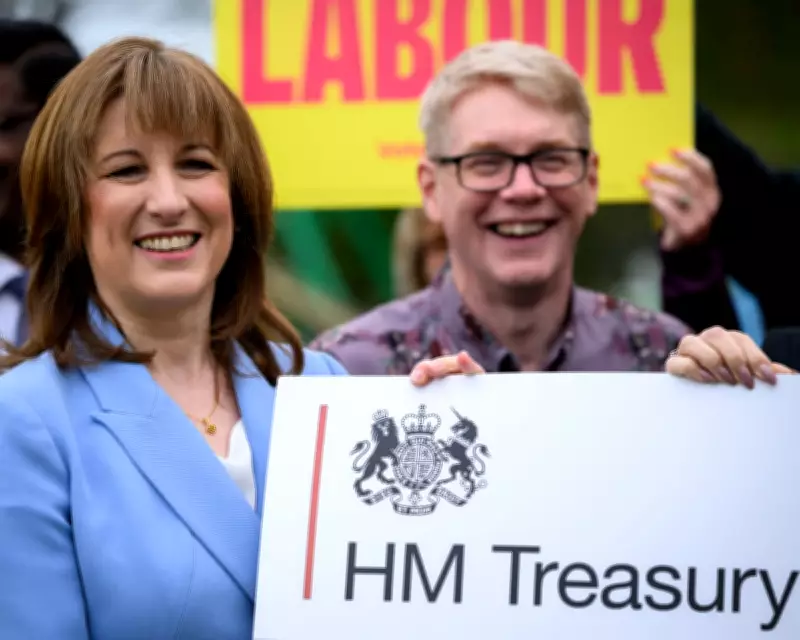
Chancellor Rachel Reeves recently addressed Labour party supporters in Swindon, Wiltshire, discussing the upcoming May local elections against a backdrop of growing economic uncertainty. The government's response to the escalating energy crisis, triggered by the Iran conflict, has centered on a familiar wartime mantra: keep calm and carry on.
Reassurance Versus Reality in Government Messaging
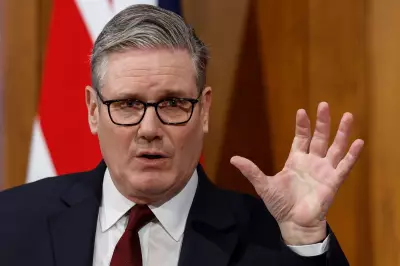
Chief Secretary to the Treasury James Murray emphasized this approach during a BBC Radio 4 interview, stating, "I think people should go about their lives as normal, knowing that the government is taking action to bring energy bills down." However, as oil prices continue their dramatic surge, concerns are mounting that this reassuring message may be underestimating the severity of the situation and preventing practical advice about reducing energy consumption from reaching households.
Andrew Sissons, director of the climate programme at research foundation Nesta, argues the government's communication strategy is fundamentally flawed. "It's the wrong message," he states bluntly. "The reality is that the global supply of oil and gas is going to be down by maybe 20%. It's a supply crisis, which means everybody needs to consume less."

The Budget Promise Meets Economic Reality
Labour faces particular challenges in navigating this crisis while attempting to claim credit for the £117 annual reduction in household utility bills announced in Chancellor Reeves' autumn budget. This reduction, funded by shifting green scheme costs to general taxation and scrapping a problematic energy efficiency programme, takes effect in April.
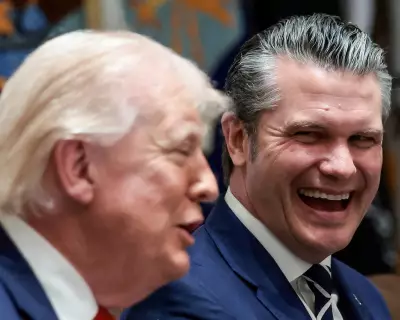
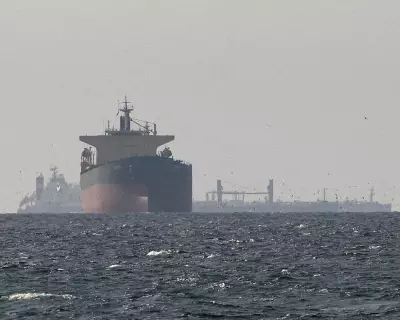
Yet economic forecasts suggest this relief will be short-lived. Cornwall Insight consultancy predicts a 17.6% increase in dual-fuel bills from July, completely overwhelming the 7% April reduction. Meanwhile, oil and petrol prices have skyrocketed following Donald Trump's bombing campaign and Iran's retaliatory strikes, with diesel nearly reaching £2 per litre on Tuesday. These increased costs are expected to ripple through prices across numerous consumer products.
The Political Tightrope of Energy Policy
Having positioned themselves as champions of cost-of-living concerns, Labour ministers now confront the difficult task of explaining why energy inflation appears poised to accelerate once more. While no government wants to incite panic or encourage panic buying—making the "keep calm" approach understandable—there are growing concerns that this messaging may be disconnected from economic realities.
The government simultaneously faces opposition criticism over Reeves' plans to reverse the Conservative's 5p fuel duty cut in three stages between September and next March. Although VAT revenue from fuel will increase with higher prices, broader tax revenues are threatened by the anticipated economic slowdown. Additionally, rising government borrowing costs since the crisis began jeopardize the chancellor's fiscal targets.
Targeted Support Versus Behavioral Change
These financial pressures have led Chancellor Reeves to insist that any utility bill assistance must be "targeted," a position supported by thinktanks including the Institute for Fiscal Studies and the Resolution Foundation. However, the government has struggled to communicate the complementary message that many households should prepare for higher bills and that reducing energy consumption would benefit society overall.
Sissons proposes a more balanced approach: "The message from the government should be: number one, be more efficient wherever you can—where you can save energy without going cold or stopping traveling, then do; and number two, this is a great time to be switching away from oil and gas onto clean electricity, onto heat pumps and electric vehicles, which is exactly what the government wants us to be doing anyway."
Jill Rutter of the Institute for Government thinktank, formerly a senior Treasury civil servant, suggests a modified message: "keep calm, but you can probably find some quite useful savings," adding, "There are things you can do to manage down your consumption."

Avoiding the Nanny State While Facing Hard Truths
Labour understandably wishes to avoid perceptions of creating a "nanny state" or invoking the politically charged concept of rationing. Yet as the conflict persists, the risk grows that "keep calm and carry on" will appear increasingly detached from the economic pressures facing British households. The government must navigate between maintaining public confidence and providing practical guidance during an energy crisis that shows no signs of immediate resolution.