MAGA Anxiety Over Iran War Erupts at CPAC as Trump Skips Event
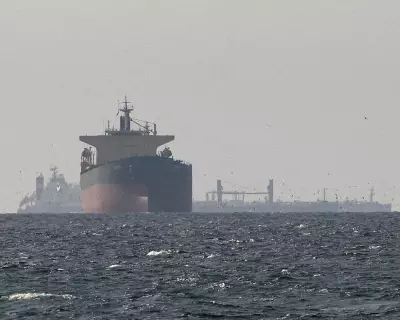
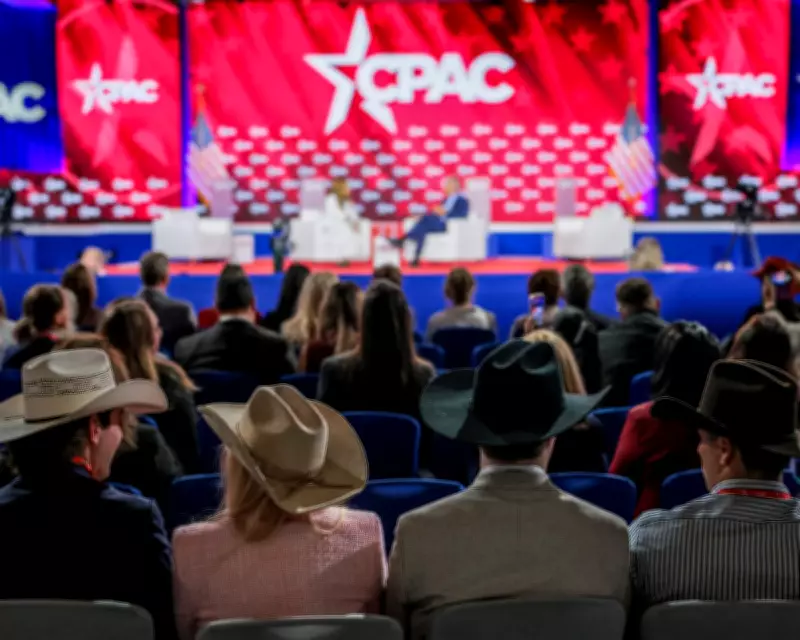
Attendees gathered at the Conservative Political Action Conference (CPAC) near Dallas for a fireside chat with Mercedes Schlapp and Robert F. Kennedy Jr., but the event was overshadowed by a palpable sense of unease. For the first time in a decade, former President Donald Trump was absent, consumed by the escalating war in Iran, leaving his MAGA faithful to grapple with the movement's direction amid a rift over military action.
A Movement in Search of Unity
CPAC, typically a bastion of optimism and triumph for conservatives, transformed into a forum of debate and discord. Without Trump's commanding presence, figures like Erik Prince, former CEO of Blackwater, voiced stark warnings against a ground invasion of Iran, predicting dire consequences such as burning American warships. In contrast, former Navy Seal Jason Redman urged resolve, emphasizing the need to prevent future conflicts for generations to come.
Ric Grenell, a veteran Trump administration diplomat, avoided invasion talk, instead praising the president's strategic wisdom. However, Republican former congressman Matt Gaetz forecasted that an invasion would impoverish and endanger the nation. With Trump absent to unify the message, the audience was left to navigate conflicting perspectives.

External Pressures and Internal Divisions
Outside the Grapevine, Texas venue, the broader political landscape offered little solace. Trump's approval ratings remain low, and the Iran war polls poorly, compounded by soaring gas prices—the highest in four years. As midterm elections approach, Republicans face historical disadvantages, with Democratic gains already evident, such as a recent Florida state house seat victory near Mar-a-Lago.
At CPAC, the war took center stage, fueled by supporters of Iran's former crown prince Reza Pahlavi, who waved flags and delivered rapturous applause. Older attendees, like 87-year-old Deanna Averett, framed the conflict in biblical terms, while others, like James Bosler, saw it as a chance to settle scores dating back to the 1979 hostage crisis.
Generational Rifts and Economic Concerns
Younger attendees expressed pronounced discomfort. Gary Polakoff, 18, feared a potential draft and economic fallout, noting that gas price spikes could worsen Republican prospects in the midterms. John Christy, 19, sympathized with Iranians but opposed "forever wars," emphasizing America-first policies.
After debates between Prince and Redman, Stephan Norquist, 21, found Prince's caution more convincing, warning against committing to bad ideas. Lisa Musket, 60, expressed surprise at the war but maintained trust in Trump to navigate it, despite initial reservations.
The Path Forward
Steve Bannon, Trump's former adviser, called for unity, urging attendees to back the MAGA project regardless of concerns. Yet, the conference revealed deep-seated anxieties, with the movement at a crossroads over military escalation and political strategy. As CPAC concluded, the absence of Trump underscored a pivotal moment for conservatives, balancing fervent support with critical scrutiny in a time of global conflict.