Peter Mandelson's Security Vetting Denial Sparks Political Scrutiny
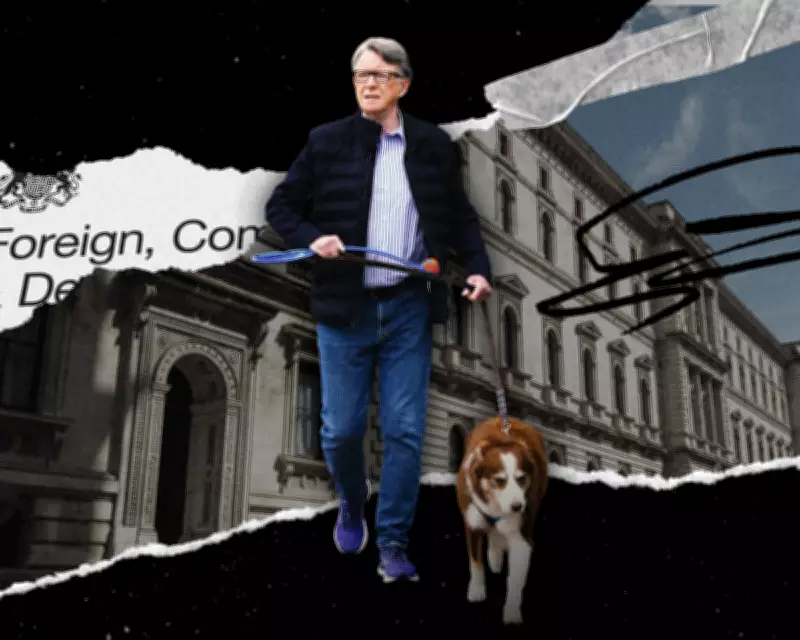
In a significant development within UK political circles, Peter Mandelson, the former Labour minister selected by Keir Starmer as ambassador to the United States in December 2024, faced a major hurdle when his security clearance was denied by the United Kingdom Security Vetting (UKSV) agency. This decision, revealed in late January 2025, marked a rare instance where an individual's developed vetting (DV) clearance was not granted, though the Foreign Office ultimately overruled UKSV to permit Mandelson to assume the role in Washington.
The Developed Vetting Process Explained
Developed vetting is a rigorous security clearance required for nearly all 8,000 officials working at the Foreign Office's Whitehall headquarters, particularly those needing frequent and uncontrolled access to top secret material. Contrary to some reports, this process is not conducted by MI6 but by UKSV, an agency under the Cabinet Office. It involves comprehensive checks, including questionnaires on internet use, finances, and security considerations, as well as an intense, hours-long interview covering personal aspects such as family, friends, business relationships, sexual history, and substance use.
Typically, the DV process takes months, but departments can expedite it for select candidates, as appears to have happened with Mandelson. The outcomes range from clearance granted, clearance with restrictions, or clearance denied—the latter being Mandelson's case. Despite UKSV's denial, the Foreign Office assessed that any identified risks could be managed, allowing his appointment to proceed.

Reasons for Vetting Failure and Additional Clearance Requirements
The specific reasons for Mandelson's failure in the UKSV process remain undisclosed, as details of individual DV results are never made public. However, the vetting focuses on managing two primary risks: blackmail or coercion due to hidden information, and engagement in risky activities that could lead to divulging sensitive data. Applicants are urged to be open and honest throughout, as clearance can be withdrawn if personal conduct raises doubts about reliability.
Following the DV denial, the Foreign Office informed Mandelson that the US ambassador role required an additional clearance level called DV+STRAP, necessary for accessing intelligence material more sensitive than top secret, often marked on pink paper. It is unclear whether Mandelson received this STRAP clearance, but given UKSV's initial rejection, such an outcome would be extraordinary. Documents related to this matter are expected to be reviewed by parliament's intelligence and security committee, with potential public release under pressure.
Political Implications and Broader Context
This incident highlights tensions between security assessments and political appointments, raising questions about the integrity of the vetting process. Mandelson's case underscores the challenges in balancing reputational risks, as noted in earlier due diligence by a propriety and ethics team, with diplomatic needs. As the story unfolds, it may impact public trust in government transparency and security protocols, particularly in high-stakes roles involving international relations.