Labour MPs Weigh Leadership Challenge Amid Global Crisis
In the aftermath of Labour's sweeping election victory in July 2024, which secured a commanding 174-seat majority, party officials are already bracing for a turbulent future. Despite initial confidence, strategists now predict the May 2026 local elections could be devastating, with some insiders describing the anticipated outcome as nothing short of a "bloodbath." However, the question of whether the Parliamentary Labour Party will use this as an opportunity to depose Prime Minister Keir Starmer remains open, complicated by the escalating war between the US, Israel, and Iran.
Timing and Strategy in the Face of Electoral Pressure
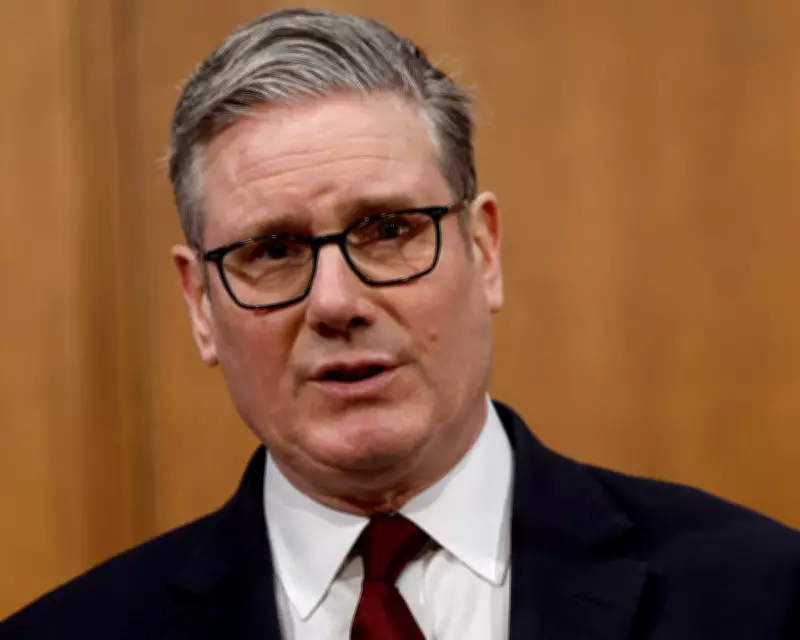
Starmer is set to launch Labour's local election campaign on Monday, emphasizing the risks of voting for Reform or the Greens and undermining Labour's progress. This message is also a subtle warning to his own MPs. In response to potential poor results, Downing Street has devised a three-pronged strategy: downplaying the elections as a referendum on the government, highlighting the precarious international situation, and quickly shifting focus with a new king's speech and a possible cabinet reshuffle.
Control over the timing of the king's speech, scheduled for May 13 just after the local elections, is a key element. Parliament is expected to be prorogued in late April, limiting MPs' ability to organize any leadership challenge in the immediate aftermath of the elections. "It would be much harder for somebody to challenge Keir and argue we need to take the government in a different direction when the king is about to come to parliament and announce our plans for the next year," a senior government source explained.

Internal Dynamics and Reshuffle Plans
Downing Street also aims to manage internal tensions by potentially releasing files related to Peter Mandelson after Easter, currently under review by the intelligence and security select committee. Additionally, advance planning is underway for a cabinet reshuffle, though Starmer has not yet made a final decision. This reshuffle is unlikely to see the return of key rivals like Angela Rayner or Louise Haigh, with Rayner's allies suggesting she prefers her current outsider role for greater freedom.
The reshuffle may instead focus on reassigning unhappy senior cabinet ministers and promoting junior ministers, including a revamp of the whips' office, which has faced distrust from MPs. This office, humorously dubbed the "Wags' office" due to connections with advisers and ministers, is seen as needing more experienced leadership to restore confidence.
War Crisis Puts Leadership Challenge on Hold
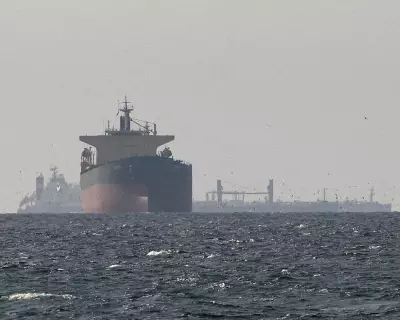
The US-Israeli conflict with Iran has significantly influenced MPs' willingness to challenge Starmer. Many argue that a leadership contest during such a critical international crisis would appear self-indulgent and could alienate voters. "I think everyone can see that a challenge right in the middle of a huge international crisis would look foolish," one pessimistic minister noted, though concerns about Labour's polling position and Starmer's unpopularity persist.
Key figures like Wes Streeting and Angela Rayner have reportedly acknowledged that MPs believe Starmer should focus on the Middle East crisis and its economic fallout, making it unwise to attempt his ouster now. "Both of them are self-interested enough to know that it would be fatal for them to do that," a Starmer ally commented, highlighting the strategic calculations at play.
Looking Beyond May: Public Service Reforms
After the local elections, No 10 plans to pivot the narrative to Labour's long-term agenda, emphasizing the time remaining in their term to effect change. The king's speech will focus on cost-of-living measures and public service reforms, including Send reform and digitization initiatives. Insiders stress that public services are a critical barometer for public perception, allowing voters to compare improvements in areas like appointment bookings and government document processing.
"There are three years left of this government," a senior strategist stated. "After May, we will spend a lot of time reminding people that much of what we have set in motion will start to bear fruit." This forward-looking approach aims to stabilize the party and reinforce Starmer's leadership amidst ongoing challenges.