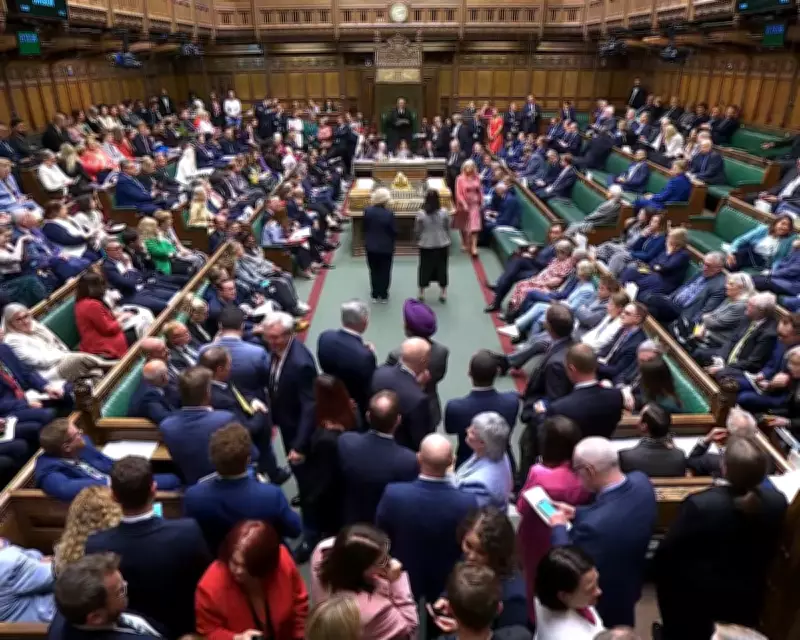
MPs' Pay to Hit £110,000 Amid Rising Abuse and Workloads, Watchdog Says
The basic annual salary for Members of Parliament is set to rise to £110,000 by the end of the current parliament, according to the Independent Parliamentary Standards Authority (Ipsa). This increase comes as the watchdog cites escalating abuse and intimidation, along with growing constituency workloads, as primary reasons for the above-inflation pay adjustment.
Significant Salary Increase Details
This financial year, MPs' basic pay will see a jump of 5%, amounting to nearly £5,000, bringing their salary to £98,599. Over the coming years, this will gradually increase to reach the £110,000 mark. Ipsa has benchmarked this pay against similar roles in the public sector and parliamentarians in other democracies, justifying the rise as necessary to reflect the evolving demands of the role.
Richard Lloyd, chair of Ipsa, emphasized that "the role of an MP has evolved," noting that MPs are handling higher levels of complex casework driven by economic pressures and global events. He added that "abuse and intimidation towards MPs and their staff have also been growing, and there are increasing risks to their safety."

Survey Reveals Widespread Abuse
A recent survey conducted for a speaker's conference on the rise of abuse against MPs revealed alarming statistics:
- 96% of participating MPs reported experiencing one or more forms of abuse in their role.
- 69% of MPs' staff who participated said they had faced similar abuse.
- About one in three MPs considered not standing for re-election due to abuse.
- One in six MPs had thought about resigning from public office because of the harassment they received.
These findings underscore the challenging environment in which MPs and their teams operate, contributing to the rationale behind the pay increase.
Criticism from Taxpayers' Alliance
The Taxpayers' Alliance has voiced strong opposition to the pay rise, arguing that it contrasts sharply with the experiences of many in the private sector. The lobby group stated, "Taxpayers will be seething to see politicians receive an inflation-busting pay rise, all while they suffer a personal recession. Politicians should not be insulated from the consequences of their own actions. Their pay should be linked to real living standards measured by GDP per capita."
Tax Implications and Future Considerations
The increase will push MPs' salaries over the £100,000 threshold for the first time, entering a tax band that has been under scrutiny. This so-called "£100k tax trap" can leave individuals worse off due to the loss of personal allowances and childcare entitlements, potentially affecting MPs with small children.
Ipsa has committed to considering prevailing economic and fiscal conditions in future pay decisions, taking into account the experiences of people outside of parliament. This move aims to balance the need for fair compensation with public accountability.
Since the expenses scandal in 2009, MPs' salaries have been determined by Ipsa, not by the MPs themselves, in an effort to maintain transparency and integrity in parliamentary remuneration.