One Nation's Historic Electoral Breakthrough Reshapes Australian Political Dynamics
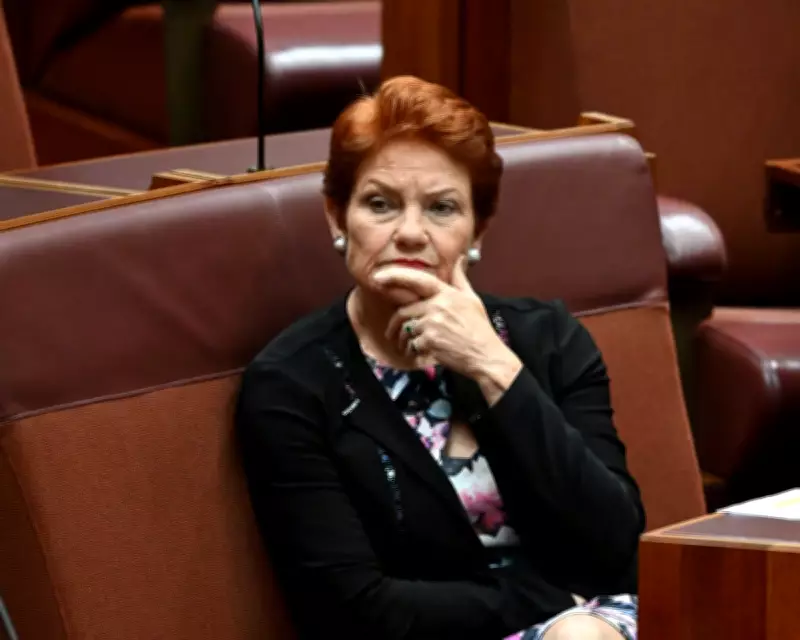
The South Australian election has delivered a political earthquake that will reverberate far beyond state borders, with Pauline Hanson's One Nation party achieving what many considered impossible just months ago. The right-wing populist movement has not only translated polling momentum into tangible electoral success but has fundamentally altered the political landscape in Australia's southern state.
A Stunning Performance That Redefines Political Expectations
With 30% of votes counted on election night, One Nation secured an astonishing 21.1% of the primary vote, placing the party ahead of the traditional conservative force, the Liberal Party. This remarkable achievement represents the most significant electoral breakthrough for Hanson's movement since its inception, validating months of polling that suggested a major shift in voter sentiment was underway.
The ABC's projection of a Labor victory under Premier Peter Malinauskas came swiftly, less than 90 minutes after polls closed, confirming what opinion surveys had long predicted. However, the real story of the night emerged not from Labor's expected win but from the political carnage unfolding across the conservative spectrum.

Regional Strongholds and Metropolitan Inroads
One Nation's strongest support emerged in regional areas, where the party threatened several once-safe Liberal seats including Chaffey, Hammond, and the independent-held Narungga. This regional surge demonstrates Hanson's ability to connect with voters outside metropolitan centers who feel increasingly disconnected from mainstream political discourse.
Equally significant was One Nation's performance in traditional Labor strongholds. The party made substantial inroads in working-class suburban seats such as Elizabeth in Adelaide's north and Kaurna to the south, proving that Hanson's brand of right-wing populism resonates across traditional political divides. This dual-front advance creates a complex challenge for both major parties as they assess the damage.
Parliamentary Presence and Political Implications
Even if One Nation fails to secure lower house seats, the party will establish a significant presence in the South Australian parliament. Former Liberal senator Cory Bernardi, state president Carlos Quaremba, and potentially one additional candidate are positioned to win seats in the legislative council, giving Hanson's movement an institutional platform from which to amplify its message.
The election results have devastated the Liberal Party, which may be reduced to just four or five seats when counting concludes. This dramatic collapse represents a microcosm of the broader challenges facing conservative politics across Australia, forcing urgent questions about the party's future direction and relevance in an evolving political landscape.
Federal Ramifications and Warning Signs
While South Australian politics features unique dynamics, including Premier Malinauskas's personal popularity and the state Liberal Party's well-documented dysfunction, the results contain clear warning signs for federal leaders. Both Opposition Leader Angus Taylor and Prime Minister Anthony Albanese must confront the reality that Hanson has successfully broken into the political mainstream.
The One Nation leader expressed feelings of vindication following the election results, which will undoubtedly generate momentum ahead of the 3 May Farrer byelection and November's Victorian state election. Hanson's ability to harness deep-seated distrust of political institutions and capitalize on economic anxieties surrounding rising fuel prices and interest rates has proven electorally potent.
The Challenge for Mainstream Politics
The major parties face a complex dilemma in responding to One Nation's surge. While rightly condemning Hanson's divisive rhetoric regarding Muslim communities and other minority groups, political leaders risk misunderstanding the genuine grievances driving voters toward populist alternatives.

Premier Malinauskas offered perhaps the most constructive approach during the campaign, acknowledging that voter discontent stems from legitimate concerns about lost opportunities, particularly regarding housing affordability. He argued that governments must move beyond superficial solutions and deliver substantive policies that address core issues affecting Australians' daily lives.
This electoral outcome signals that something fundamental has changed in Australian politics. Voters are increasingly willing to abandon traditional party loyalties in search of alternatives that promise more radical solutions to their concerns. The major parties now face the urgent task of rebuilding trust with an electorate that has demonstrated its willingness to embrace political outsiders.
The South Australian election has provided verifiable proof that Pauline Hanson's political movement represents more than a protest vote. One Nation has established itself as a serious political force capable of reshaping electoral outcomes and forcing mainstream parties to reconsider their strategies and policies. As the dust settles on this historic result, Australian politics enters a new era of uncertainty and transformation.