Orbán's International Right-Wing Stardom Faces Domestic Backlash
Hungarian Prime Minister Viktor Orbán, a central figure in the global authoritarian right-wing movement, is facing a critical test in Hungary's parliamentary elections on April 12. Despite receiving enthusiastic endorsements from international allies including former US President Donald Trump, Orbán and his Fidesz party are trailing in most opinion polls by nearly 10 percentage points behind challenger Péter Magyar and the Tisza party.
The Global Authoritarian Right Rallies Behind Orbán
Orbán has become a symbolic leader for nationalist, illiberal movements worldwide. His articulation of the "illiberal state" concept in 2014 provided an ideological framework that has inspired right-wing leaders across continents. During his 16 years in power, Orbán has systematically dismantled liberal democratic institutions, leading the European Parliament to declare Hungary an "electoral autocracy" in 2022.
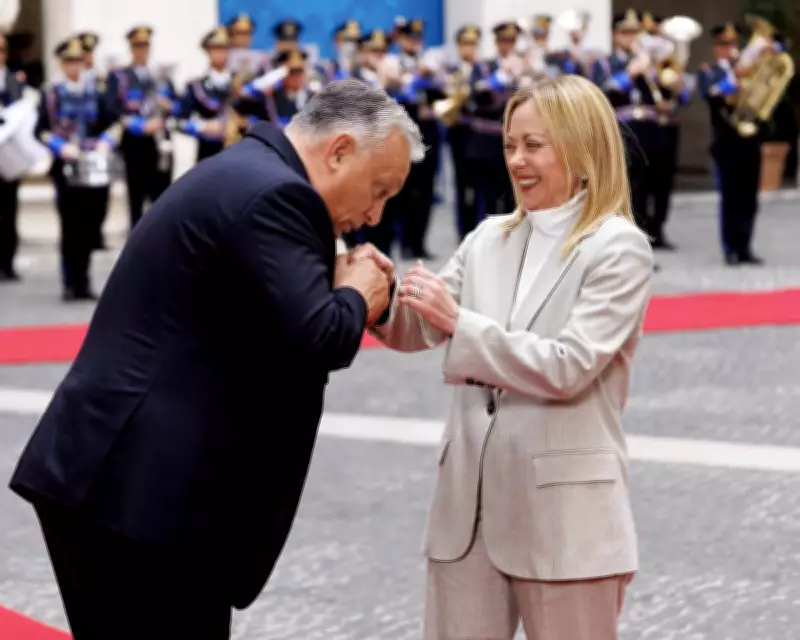
The international right-wing movement has enthusiastically embraced Orbán as their standard-bearer. In January, a joint video message featured prominent figures including Israel's Benjamin Netanyahu, Argentina's Javier Milei, Italy's Giorgia Meloni, and the Czech Republic's Andrej Babiš. Marine Le Pen praised Orbán's leadership of "the camp of patriots," while Germany's Alice Weidel declared that "Europe needs Viktor Orbán!"

The Paradox of International Nationalism
This global alliance of nationalist leaders presents an inherent contradiction: political figures who prioritize their own nation's interests above all else inevitably clash with others following the same principle. This tension was evident during international disputes, where even close allies criticized each other's actions as hostile.
Ironically, Orbán's international ambitions may be contributing to his domestic political challenges. The roots of this paradox trace back to Hungary's historical trauma following World War I, when the Treaty of Trianon stripped the country of significant territory and Hungarian-speaking populations.
Alienating the Loyal Voter Base
One of Orbán's first acts upon taking power in 2010 was granting voting rights to Hungarian-speaking minorities in neighboring countries. These communities provided overwhelming support for Orbán for years, but that political alliance now appears to be fracturing.
During Romania's presidential election, Orbán backed far-right candidate George Simion despite his anti-Hungarian rhetoric. In response, Romania's Hungarian minority overwhelmingly supported the liberal, pro-EU candidate Nicușor Dan, playing a decisive role in his victory. This pattern reflects a consistent ideological reflex among nationalist parties: supporting international allies often trumps protecting their own ethnic communities abroad.
The Overriding Priority: Preserving Authoritarian Rule
Despite endless rhetoric about national sovereignty and devotion to "their own people," global right-wing nationalist parties share a common worldview that prioritizes the struggle against liberal democracy above all else. As Swedish ideologue Mattias Karlsson described it, this is a life-and-death struggle between "value-conservative patriots and cosmopolitan cultural radicals."
The determination to preserve and strengthen authoritarian rule consistently outweighs any professed concern for specific national communities. This authoritarian reflex may ultimately cost Orbán the upcoming Hungarian elections and his position as a leading figure in the global right-wing populist movement.
The Hungarian election represents more than just a domestic political contest; it serves as a crucial test case for whether the international authoritarian right can maintain power when its global ambitions conflict with local political realities. With the public debate in Hungary shifting from whether the opposition can win to whether Orbán will accept defeat, the outcome will resonate far beyond Hungary's borders.