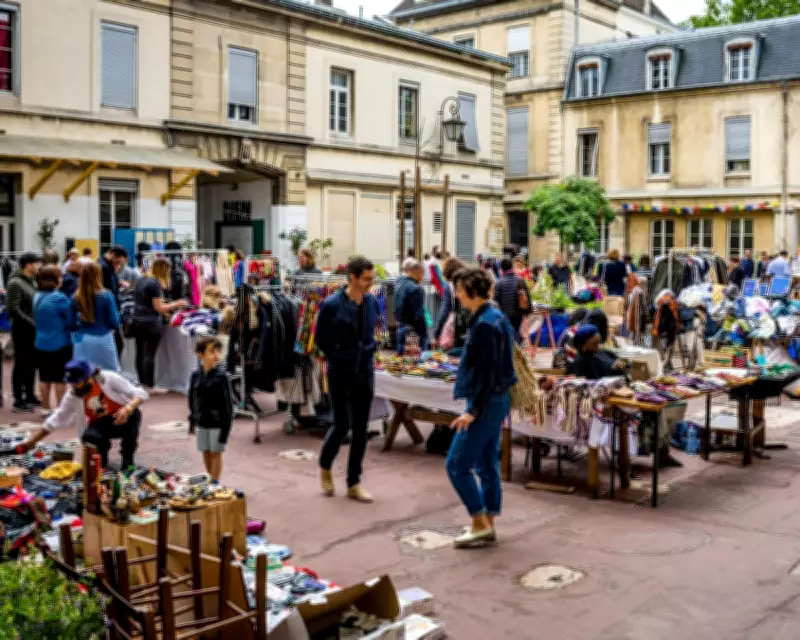
In the heart of Paris's 14th arrondissement, Les Grands Voisins once stood as a beacon of community spirit, transforming an old hospital complex into a vibrant hub of artist studios, emergency housing, and communal cafes. This space, like many others in the French capital, exemplifies what urbanists call "third places"—accessible areas where people can simply exist without financial pressure. As Paris grapples with political shifts, these spaces are emerging as a powerful tool against the rising far right, offering warmth and connection in an era of growing isolation.
The Role of Third Places in Modern Urban Life
Third places are defined by their accessibility and encouragement of lingering, serving as public living rooms where encounters among neighbors are facilitated. They include libraries, youth centers, arts venues, public pools, and even certain bars or cafes with a community focus. The critical function of these spaces is to combat atomization and disaffection, which extremists often exploit. In contrast to the solitary habits of "Netflix and chill" or ordering in, third places foster real-world interactions that build social cohesion.
Global Decline and Political Implications
Across borders, the loss of third places has correlated with the rise of far-right movements. The United States has seen such a drastic decline that chains like Starbucks have attempted to fill the void, albeit commercially. In the United Kingdom, 37% of pubs have closed since 1992, stripping rural areas of vital social hubs. France has experienced a similar trend, with 18,000 bars-tabac shutting down between 2002 and 2022. Studies link these closures to increased vote shares for the National Rally in affected rural areas, highlighting how the absence of community spaces fuels political extremism.

Paris's Deliberate Investment in Social Infrastructure
Despite these challenges, Paris stands out for its proactive approach. The city's enthusiasm for third places is not accidental but a deliberate political strategy. Following the first round of municipal elections, voters reinforced this direction by supporting Anne Hidalgo's successor, Emmanuel Grégoire, over right-wing challenger Rachida Dati. This vote reflects a commitment to the progressive policies that have made Paris a model for urban inclusivity.
Exemplary Spaces: From Print to Les Grands Voisins
Take Print, a pop-up in Ménilmontant, housed in Orange's former offices. With five floors featuring photography exhibits, a coffee shop, sourdough pizza, bars, and a dance area, it offers stunning views of the Eiffel Tower. Most importantly, it provides ample space where visitors can linger without spending a euro. Similarly, Les Grands Voisins, active a decade ago, mixed nonprofits, startups, and community activities like yoga and concerts, creating an eclectic environment that welcomed all.
Other notable third places include La Guinguette de la Javel, with food trucks and costume closets on the Seine banks, and Ground Control, located in old railway depots. La Cité Fertile, beyond Paris's periphery, hosts conferences on race and identity, while smaller spaces like cafés solidaires in defunct railway stations offer arts and community cafes. Even a 7/7 avant-garde jazz club with Persian rugs operates on a pay-what-you-like model, emphasizing accessibility.
Inclusivity and the Fight Against Disconnection
These spaces challenge the notion that they cater only to a specific demographic. At La Recyclerie, "suspended meals" allow those in need to eat freely, paid for by others. The age diversity at venues like le Centquatre and the varied backgrounds of teenagers dancing there demonstrate broad appeal. Personal experiences, such as contributing based on one's financial means at La Gare/Le Gore, underscore the non-commercial ethos that defines third places.

Political Significance and Future Outlook
Among Paris's progressive commitments—such as pedestrianizing the Seine, creating green spaces, and investing in public housing—the focus on third places is paramount. They represent a radical political statement: the right to exist without spending, countering the isolation that fuels far-right grievance politics. As the city continues to innovate, these spaces will remain crucial in fostering community resilience and political stability, earning ongoing support from residents who value connection over division.