Parliament's Failed Accountability in the Mandelson Scandal
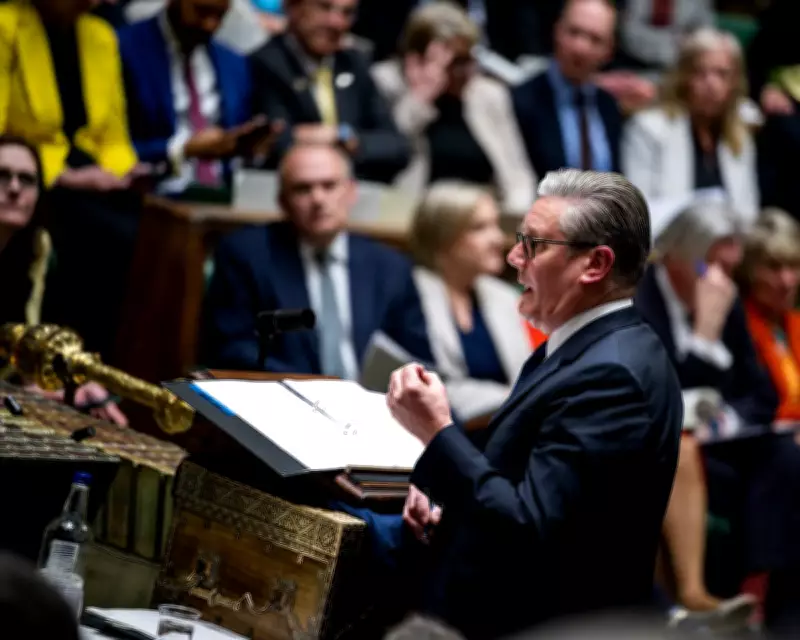
On April 20, 2026, Parliament had a solemn duty to hold Prime Minister Keir Starmer accountable for the escalating Peter Mandelson scandal. However, the session largely failed to reflect the public's anger and demand for answers, with only a few MPs rising to the occasion.
The Background of the Controversial Appointment
In late 2024, Starmer appointed Peter Mandelson as the UK's ambassador to Washington, despite Mandelson's known connections to financier Jeffrey Epstein. At the time, even political opponents like Nigel Farage acknowledged Mandelson's intelligence and suitability for the role. However, recent revelations have exposed that Mandelson actually failed the Foreign Office's official vetting process but was appointed regardless.
Journalists, particularly Jim Pickard of the Financial Times, deserve credit for uncovering crucial details. In 2023, Pickard reported that Mandelson had stayed at Epstein's Manhattan townhouse while Epstein was imprisoned for soliciting prostitution from a minor. The government had ample information about these risks but proceeded with the appointment, viewing Mandelson's political acumen as worth the gamble in dealing with Donald Trump's administration.

A Parliamentary Session of Missed Opportunities
During Monday's session, Starmer attempted to deflect blame onto Foreign Office officials, admitting only belatedly that his judgment had been flawed. Opposition responses were equally underwhelming. Kemi Badenoch posed six forensic questions about the appointment process but stopped short of demanding Starmer's resignation. Ed Davey's critique borrowed stale phrases from past political conflicts, while Farage was notably absent, likely avoiding scrutiny of his initial support for Mandelson.
The session lacked the memorable parliamentary moments of the past, such as Tony Blair's "weak, weak, weak" condemnation of John Major or David Cameron's remark about Blair. Instead, it was Diane Abbott who delivered the most devastating clarity, simply reminding the House of Mandelson's history of cabinet resignations and questioning Starmer's ideological consistency.
Starmer's Leadership Under Scrutiny
Abbott's intervention highlighted a fundamental issue with Starmer's leadership: his lack of ideological spine. He initially positioned himself on the left to secure the Labour leadership, then pivoted to figures like Mandelson and Morgan McSweeney upon becoming prime minister. This inconsistency has left him vulnerable to criticism that he "travels so light because there is nothing there," as one senior Labour figure lamented.
Walter Bagehot once described Parliament's role as expressing the people's outrage through its MPs. In this case, despite public fury over the Mandelson scandal, Parliament largely failed to fulfill that duty. The session revealed more about political complicity and missed opportunities than genuine accountability, leaving unanswered questions about how such a flawed appointment could have occurred at the highest levels of government.