Pauline Hanson Expected to Face Senate Censure Over Controversial Comments
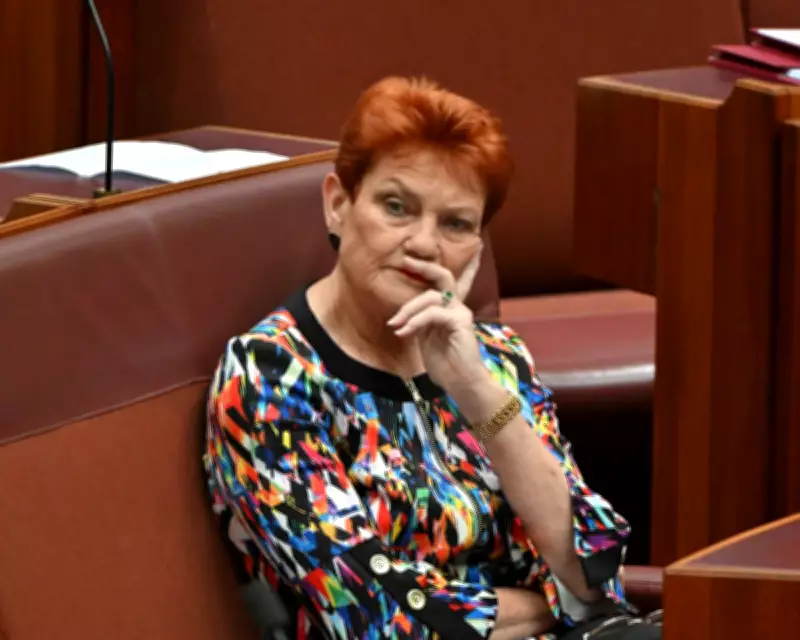
The political landscape in Australia is set for another heated confrontation as One Nation leader Pauline Hanson is expected to face a formal censure motion in the Senate. This dramatic development comes in response to Hanson's divisive comments about Australian Muslims made during a February appearance on Sky News, where she questioned the existence of "good Muslims" and refused to offer a full apology for her inflammatory remarks.
Labor Leads Charge Against Hanson's Remarks
Labor has taken the initiative to move the censure motion, with the Greens pledging their support to ensure its passage through the Senate. The draft government motion, which has been circulated to senators, strongly condemns Hanson's comments as "inflammatory and divisive" and seeks to vilify Muslim Australians. The motion emphasizes that Australia has been "built by the hard work, sacrifice and aspiration of people of every race and faith" and firmly rejects any attempts to vilify individuals based on their religious beliefs.
This would represent Hanson's second censure within just four months, following her previous censure for wearing an Islamic hijab in the Senate chamber last November. The current motion specifically calls on all senators to "refrain from inflammatory and divisive comments, both inside and outside the chamber" and reiterates the Senate's solidarity with those who have been vilified because of their faith.

Political Reactions and Controversial Apology
Hanson's comments have drawn widespread condemnation across the political spectrum, with criticism coming from Labor, the Greens, Nationals senator Matt Canavan, and even Australia's race discrimination commissioner. Federal police confirmed they had received reports of a potential crime in relation to her statements, though legal experts remain uncertain about what specific laws might have been breached.
In a partial apology that many found insufficient, Hanson stated she was sorry if she "offended anyone out there that doesn't believe in sharia law, or multiple marriages, or wants to bring Isis brides in, or people from Gaza that believe in a caliphate." However, she immediately followed this with the claim that "In general, that is what they want, a world caliphate. And I am not going to apologise."
Rising Political Influence and Preference Negotiations
The censure motion comes at a time when One Nation is experiencing a significant surge in political influence. Recent Guardian Essential polling indicates that 22% of respondents would vote for Hanson's party, with nearly 60% expressing openness to supporting One Nation in the next federal election. This growing support has created complex political dynamics, particularly regarding election preference negotiations.
Independent senator Lidia Thorpe has criticized Labor's motion as insufficient in addressing broader racism issues, describing it as "a political stunt designed to wedge the Coalition and disrupt their preference negotiations with One Nation in the Farrer byelection." Hanson has confirmed she is open to negotiations with the Coalition about election preference deals and closer parliamentary cooperation.
Coalition's Delicate Position
The Coalition faces a delicate balancing act regarding the censure motion. While they may support the bulk of the motion's content, there are indications they might seek to amend it to remove the explicit condemnation of Hanson. Liberal shadow minister Andrew Hastie has expressed openness to working with One Nation, stating on Sky News that "One Nation supporters at the moment need to be taken more seriously" and that he's "fine with" potential preference deals.
Hastie emphasized his willingness to "work with anyone on the centre right who wants to deliver better outcomes for the Australian people," highlighting the complex political calculations surrounding Hanson's censure and One Nation's growing influence in Australian politics.
The motion remains subject to potential changes, debate, and amendments as senators prepare for what promises to be a contentious parliamentary session. The outcome will not only determine Hanson's immediate political standing but could significantly impact Australia's political landscape and inter-party relationships in the lead-up to future elections.