Metro Readers Clash Over Terrorism's Root Causes
London Metro's letters section has become a battleground for competing theories about the fundamental drivers of terrorism, with readers passionately debating whether extremist violence stems purely from fanatical ideology or has deeper geopolitical origins.
The Fanaticism Argument
Chris H from London expressed horror at what he called "wildly inaccurate and hugely offensive" suggestions that the 7/7 London bombings represented "indirect retaliation" for British involvement in Iraq and Afghanistan. "They were terror attacks perpetrated by people blinded by a fanatical belief system who hate us and our way of life," he asserted emphatically.
Chris warned about what he perceives as growing numbers of "apologists for terror," citing recent political discourse surrounding the Ariana Grande concert attack in Greater Manchester. He argued that excusing such violence as reactions to far-right extremism represents dangerous thinking that "needs to be called out" by responsible citizens and media.

Historical Context and Geopolitical Factors
Other readers presented more nuanced perspectives that incorporate historical and political dimensions. Will Podmore from London reminded fellow readers about the 1953 US/British coup that overthrew Iran's elected, secular government, installing the Shah whose brutal regime fundamentally altered the country's trajectory.
"Outside interventions do not produce democracy," Podmore argued, suggesting that current tensions must be understood within this historical context of Western interference in Middle Eastern affairs.
Trump's Foreign Policy Under Scrutiny
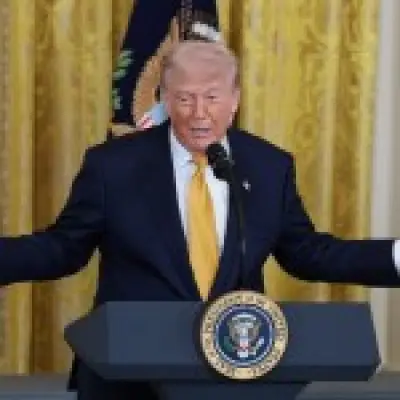
The debate expanded to include criticism of current US foreign policy under President Donald Trump. SB from Southend-On-Sea characterized Trump as "a bully, who is quite happy to take on tiny countries and insult and belittle anyone he thinks weaker."
The reader pointed to apparent contradictions in Trump's approach, noting that while the president criticizes allies for insufficient support regarding Iran, he has simultaneously described those same allies as "useless" and avoided deeper involvement in the Ukraine conflict. "Like all cowards and bullies, he would never punch someone who would punch him back harder," SB concluded.
Comparative Presidential Analysis
Martin J Phillips from Leeds challenged what he saw as unfair comparisons between Trump and former President Barack Obama. While some readers praised Trump for taking action against Iran, Phillips noted that "it was under Obama's presidency that Osama Bin Laden was brought to book."
He suggested that similar covert operations could have been employed against Iranian leadership rather than the current approach, which he characterized as extending "genocide of Palestinians further" through alignment with Israeli Prime Minister Benjamin Netanyahu.
Broader Implications and Fuel Crisis Concerns
The discussion extended to practical consequences of international tensions, with Peter from Wolverhampton raising concerns about potential fuel shortages and price hikes resulting from conflict with Iran. He questioned whether the government should revisit measures from previous oil crises, including parliamentary discussions about fuel rationing in 1967 and 50mph speed limits imposed during the 1973 fuel crisis.
Cultural Dimensions of Anti-American Sentiment
Steven Ward from Sheffield challenged readers who express blanket dislike of the United States, asking whether such critics have "never bought a record by an American artist, watched a Hollywood movie, worn blue jeans or used any modern appliances such as the telephone." His comment highlighted the complex relationship between political criticism and cultural consumption in an increasingly globalized world.
Ongoing Reader Engagement
The Metro continues to invite reader participation on these and other pressing topics, with Senior Politics Reporter Craig Munro fielding questions about UK politics in the weekly politics newsletter. The letters section demonstrates how public discourse continues to grapple with fundamental questions about violence, foreign policy, and international relations in an increasingly interconnected world.