Reform UK's Croydon Mayoral Candidate Vows to Contest Every Borough Area in Upcoming Elections
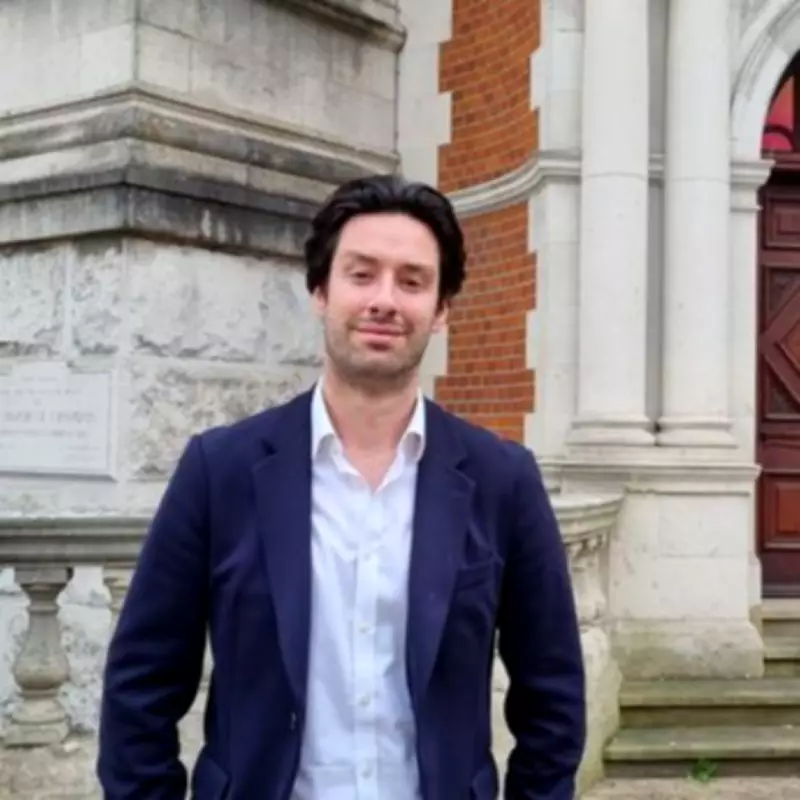
Ben Flook, the Reform UK candidate for Croydon mayor, has emphatically stated that his party is not "writing off" any segment of the borough as it aggressively pursues victories in the May local elections. Flook, a former Conservative MP candidate, portrays Croydon as a stark "symbol of how Britain is broken" and is mobilizing residents to cast their votes as a decisive referendum on the current Labour government's performance.
Croydon's Decline and the Call for a Fresh Political Approach
In an exclusive interview with the Local Democracy Reporting Service ahead of the pivotal local elections on May 7, Flook delivered a scathing critique of Croydon's current state. "To me, Croydon is a warning of what happens when we are told to accept decline," he asserted. He highlighted a series of systemic failures, including a bankrupt council, a desolate town center emptied of vitality, and rampant crime issues. Flook argued that both Labour and Conservative administrations have failed the borough, necessitating a "fresh approach" that Reform UK promises to deliver.
Background and Personal Insights from a Decade in Education
Born in Kenley, Flook was officially unveiled as Reform UK's candidate during a contentious rally at Fairfield Halls last month, marking a significant shift from his previous allegiance to the Conservative Party. Notably, Nigel Farage's party was among the last to announce its mayoral candidate in what has evolved into an intensely competitive eight-candidate race to lead London's most populous borough.

Flook's political journey includes an unsuccessful bid as the Tory candidate in Chesterfield, Derbyshire, in 2024, and an earlier attempt to secure a local councillor position in the Norbury ward back in 2014 when he was just 18 years old. For the past decade, he has served as a teacher at a selective state school in Wallington, an experience he claims has provided him with profound insights into Croydon's transformation. "I have seen how some of my students, who have gone to school with their friends, feel unsafe going home through Croydon after school," he revealed, underscoring crime as a "massive issue" affecting residents of all ages.
Proposed Strategies for Crime Reduction and Financial Management
When pressed on his plans to tackle Croydon's pervasive crime problem, Flook advocated for stronger collaboration between schools, parents, community groups, and law enforcement. He also endorsed the establishment of localized "crime hotspot" zones to address specific trouble areas and expressed robust support for the ongoing deployment of Live Facial Recognition cameras, which were initially trialed in Croydon last year and have already resulted in multiple arrests. "I think we need to build on the facial recognition technology that is being used successfully and work to bring more of that in to reduce crime," he emphasized.
Addressing the borough's daunting financial challenges, including a staggering £1.4 billion in debt and reliance on annual government Exceptional Financial Support, Flook pointed to Reform-run councils nationwide as models of efficiency. He noted that these councils have achieved significant savings and ensured "value for money for their residents," often delivering the lowest average council tax rates among upper-tier authorities. However, he clarified that he would not lower council tax if elected mayor, acknowledging Croydon's "huge amount of statutory obligations." Instead, he proposed enlisting more local experts to devise innovative solutions to the financial crisis.
Town Center Woes and Political Referendum Messaging
Flook identified Croydon's town center as a potent symbol of the borough's decline, citing empty shops and the stalled Westfield masterplan development as key indicators. "The town center for me is a symbol of how things have gone so badly wrong," he lamented, adding that both young and old residents frequently tell him they avoid the area because there is "nothing there." Despite this, he believes Croydon's strategic connections to London and the countryside should make it an attractive destination, and he pledged to collaborate with local businesses and groups to unlock its potential.

Throughout his campaign, Flook has consistently framed the May 7 vote as a referendum on Keir Starmer's Labour Government and London Mayor Sadiq Khan. "It is clear that Sadiq Khan is hugely unpopular in Croydon," he claimed, recounting frequent complaints from residents about Khan's policies. When evaluating the performance of Croydon's current Conservative Mayor Jason Perry, Flook offered a mixed assessment, noting the difficulty of inheriting bankruptcy from Labour but criticizing the imposition of Low Traffic Neighbourhoods (LTNs) as "very unpopular." He acknowledged widespread anger toward the Conservatives for unmet promises.
Openness to Post-Election Alliances and Final Appeal
When questioned about the possibility of forming a pact with the Conservatives to secure a council majority, Flook remained noncommittal, stating, "Whatever happens after May 7 is a matter for then." He affirmed his unwavering focus on electing as many Reform candidates as possible across Croydon's 28 wards, where the party is fielding 70 candidates. "I am working flat out to get myself elected as Mayor," he declared, emphasizing that Reform's message of "family, community and country" is resonating with a diverse range of voters.
In his closing remarks, Flook made a bold assertion: "Croydon needs something new, and it needs something different. Ultimately, I am the only one who would say Croydon is broken and it needs Reform." He is also standing as Reform's candidate in the Bensham Manor ward, underscoring his dual commitment to local representation.