Reform UK Announces Major Energy Tax Cut Proposal
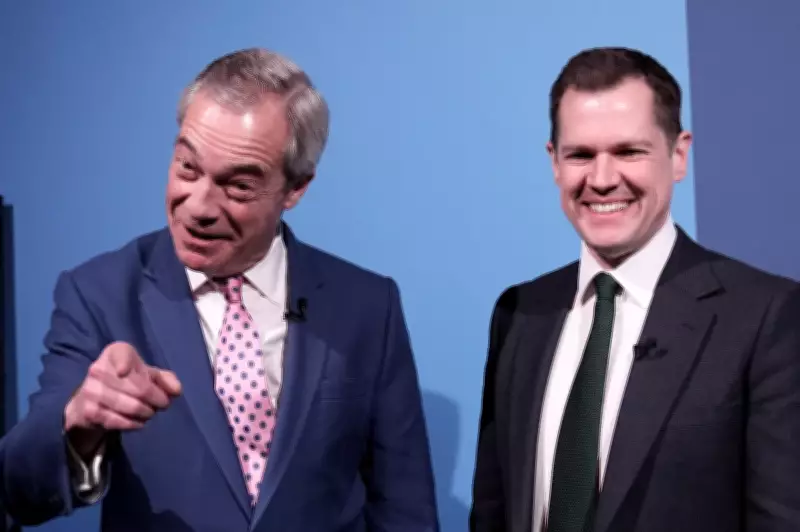
In a significant political maneuver, Reform UK has pledged to strip VAT and green levies from household energy bills, directly challenging the Labour government's current policies. Shadow chancellor Robert Jenrick announced the proposal, which would save households an estimated £200 annually while costing approximately £2.5 billion according to economic analysis from Pantheon Macroeconomics.
Funding Through Government Restructuring
The proposed tax cut would be financed through reductions to what Reform UK describes as "unprotected government bodies" - various regulators and advisory organizations commonly referred to as quangos. Party officials confirmed they are currently reviewing which specific bodies would face budget cuts or elimination under a potential Reform UK government.
Opposition parties have questioned the lack of detailed information about which organizations would be affected. The announcement comes amid reports that Chancellor Rachel Reeves had previously considered removing the 5 percent VAT charge from energy bills in the lead-up to the recent Budget.

Economic Concerns and Political Context
Some economists have expressed reservations about the proposal. Tim Leunig, an influential professor at the London School of Economics, characterized the idea as "terrible" and warned it would disproportionately benefit wealthier households. The announcement represents Reform UK's strategic pivot toward cost-of-living issues, placing direct pressure on Labour to take more substantial action on energy affordability.
Jenrick emphasized the party's position, stating: "It's outrageous that as people face soaring bills, the Chancellor is slapping £200 worth of levies and taxes on the price of energy. Reform is on the side of hard-up people, so we will completely scrap the heating tax."
Broader Energy Policy Proposals
Beyond the VAT removal, Reform UK has advocated for additional measures to reduce energy costs. The party has called for scrapping renewable energy levies and the carbon price support tax, while also urging the government to reverse a planned fuel duty increase scheduled for September. These proposals align with the Conservative Party's similar pressure on Labour regarding fuel policy.
The Labour government previously opted to shift some energy subsidies from household bills to general taxation during last year's Budget. These changes are scheduled to take effect in April, coinciding with an anticipated £117 reduction in the energy price cap.
Political Tensions Escalate
The tax policy announcement occurs alongside escalating tensions between Reform UK and Labour regarding financial transparency. The parties have engaged in a heated exchange following Sunday Times reports about Reform UK deputy leader Richard Tice's tax arrangements through company structures.
Labour Party chair Anna Turley criticized Tice, stating he "knows that the extremes he has gone to in order to pay less tax are anything but normal." Reform UK officials have countered by highlighting what they describe as insufficient corporation tax payments from Labour's separate property portfolio.
Tice responded to the criticism, asserting: "The public quite rightly expects consistency between what political parties say and what they do. Greater transparency on this matter would therefore be in the interests of accountability and public trust." A Labour spokesperson dismissed these comments as an attempt to "deflect from his own tax affairs by slinging mud and hoping something will stick."
Promotional Campaign and Electoral Considerations
Reform UK is simultaneously launching a promotional prize draw where the winner will have their energy bills paid by the party. Officials maintain this initiative does not violate electoral regulations. The combined strategy of policy announcement and public engagement reflects the party's intensified focus on energy affordability as a central political issue.

Chancellor Reeves faces mounting pressure to address household financial anxieties as oil price increases threaten to add approximately one percentage point to inflation. The government has already introduced a £53 million support package for rural households using heating oil, with ministers suggesting potential expansion to broader segments of the population.