Reform UK Deputy Leader Faces AI Photo Controversy
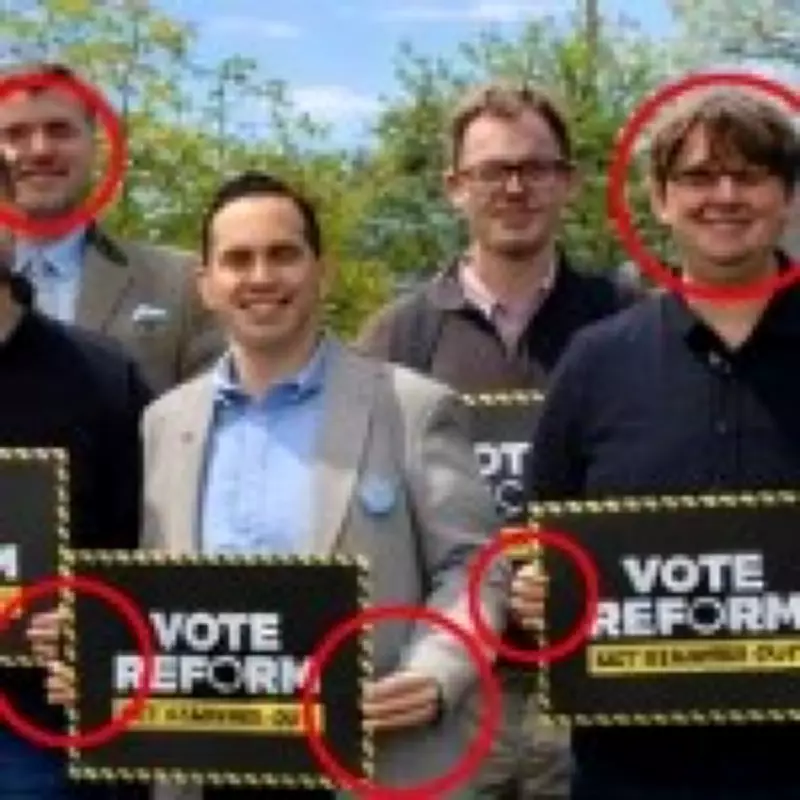
Reform UK's deputy leader, Richard Tice, has been accused of using artificial intelligence to create a campaign photograph that he posted on social media platform X. The image, which Tice claimed showed party supporters from February 2022, displayed numerous anomalies that sparked immediate suspicion among online observers.
Questionable Details in Campaign Photo
The photograph featured supporters with what critics described as "sausage fingers" and faces that appeared melted or distorted. Perhaps most telling were the campaign signs, which seemed to read "Vote Reform, Get Stuppence Out" instead of the intended "Get Starmer Out." One supporter in the image didn't appear to be holding any sign at all.
Tice had posted the image with the caption "That is what belief looks like," celebrating his party's recent surge in polling numbers. He recalled how supporters had gathered in Erdington, a Birmingham suburb, in 2022 when the party received only 293 votes in a byelection.

Digital Analysis and Party Response
Analysis conducted by Peryton Intelligence, a digital intelligence company specializing in online manipulation, concluded the image was almost certainly AI-generated or significantly altered. The Guardian reported these findings, adding credibility to the accusations.
When confronted about the photograph, Reform UK officials claimed the image had merely been "touched up for easier viewing, mainly to adjust the brightness." They insisted it was "a real image of Reform UK activists campaigning" and provided what they described as the original, shadowy version showing more human-like canvassers.
However, when asked specifically how the photo was enhanced and whether AI technology was used in the process, Reform UK representatives declined to respond to further inquiries.
Political Reactions and Historical Context
Green Party leader Zack Polanski seized on the controversy, stating: "There's nothing real about the Reform party. Their supposed policies for working people are fake, they spin stories that are fake and now we know even their campaigners are fake."
This incident isn't the first time Reform politicians have faced accusations of using artificial intelligence. Former parliamentary candidate Matt Goodwin earned the nickname "MattGPT" when he allegedly used AI to write a book that contained misquoted historical figures and footnote URLs containing references to ChatGPT.
Goodwin acknowledged using AI for research purposes but disputed claims that his book was written using the technology.
Broader Implications for Political Campaigning
The controversy raises significant questions about authenticity in political imagery and campaigning. As artificial intelligence tools become more sophisticated and accessible, political parties face increasing scrutiny over how they represent themselves and their supporters to the public.
Tice's original post included optimistic predictions about Reform UK's electoral prospects, suggesting that parts of Birmingham could elect Reform councillors and potentially even a member of parliament. He contrasted the current political climate with that of four years earlier, suggesting what once seemed distant now feels imminent.
As digital manipulation technologies advance, political parties across the spectrum will need to establish clearer guidelines about how they use such tools in their campaigning efforts to maintain public trust and transparency.